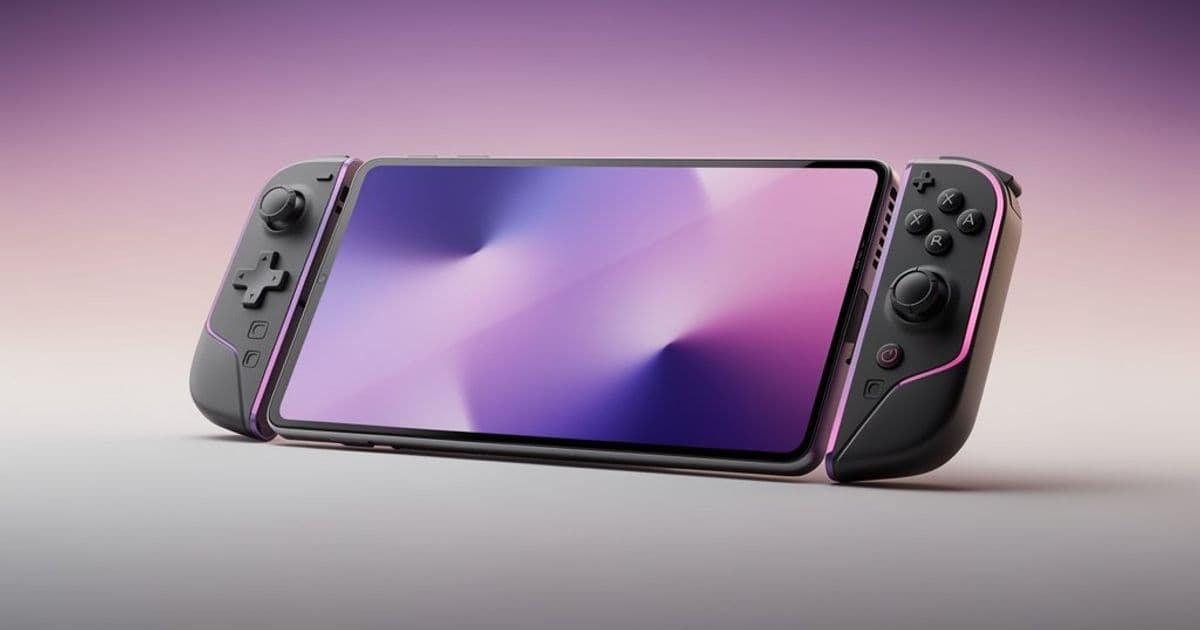
The upcoming Mangmi Pocket Max combines a 144Hz OLED display with modular controllers in an Android-based handheld using Qualcomm's Snapdragon 865 chipset.
The Mangmi Pocket Max enters the crowded Android handheld market with a distinctive approach: pairing a high-refresh OLED display with modular controllers at what's expected to be a budget-friendly price point. Unlike premium Windows handhelds that often exceed $1,000, this device targets Android gamers seeking customization without premium pricing.
Display and core specifications At the center is a 7-inch 1920x1080 AMOLED display with a notable 144Hz refresh rate - significantly higher than most competitors in this segment. While the Snapdragon 865 processor launched in 2019, it remains capable for Android gaming, particularly when paired with 8GB LPDDR4x RAM and 128GB UFS 3.1 storage. The chipset's Adreno 650 GPU handles most Android titles smoothly, especially at the 1080p resolution.

Connectivity includes WiFi 6 and Bluetooth 5.1, while physical ports comprise USB 3.1 Type-C (supporting 27W charging), a 3.5mm audio jack, and microSD expansion. An 8,000mAh battery provides runtime, with active cooling via internal fan preventing thermal throttling during extended sessions. At 255x101x17mm and 450g, it's moderately portable for a 7-inch device.
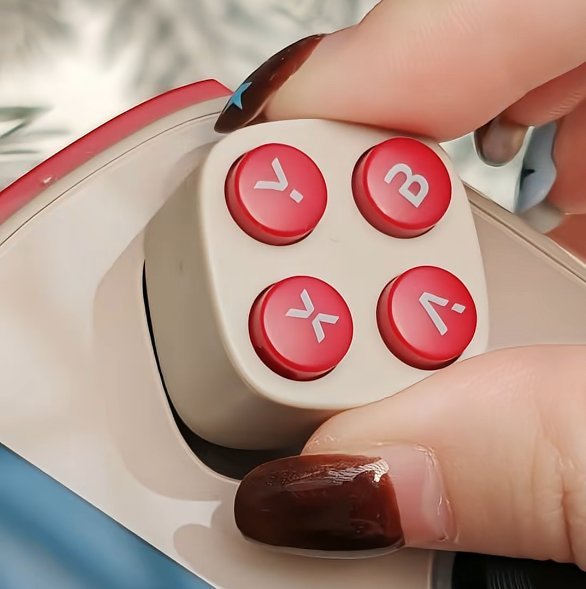
Modular controller system The Pocket Max's standout feature is its magnetic modular controllers. The left and right control clusters feature Hall effect analog sticks with RGB lighting, but the D-pad and face buttons (A/B/X/Y) sit on removable modules secured magnetically.
This design enables swapping button configurations - theoretically allowing replacements with different layouts (2-button or 6-button arrays). However, limitations exist: the analog sticks aren't removable, preventing layout changes like moving the right stick above the buttons. The fixed stick positions may frustrate users preferring alternate ergonomic configurations.
Market context and developer implications Mangmi's approach differs from premium modular solutions like the $1,499 AYANEO 3, which offers swappable analog sticks and touchpads. For Android developers, the Pocket Max presents both opportunities and challenges:
- Input flexibility: Games supporting customizable controls could leverage swappable modules for specialized gameplay (fighting games vs RPGs)
- Consistency concerns: Developers must account for potential input variations when players use non-standard configurations
- Performance expectations: Targeting Snapdragon 865 ensures compatibility with mid-range devices, but the 144Hz display pushes developers to optimize frame rates
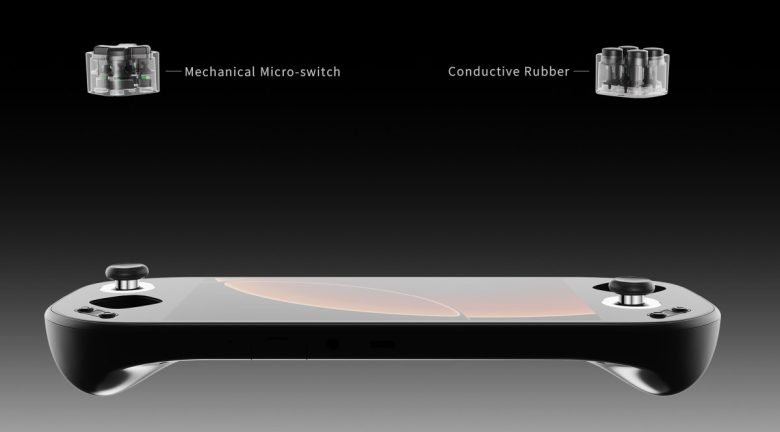
The device runs Android 13, granting access to Google Play and mainstream game stores. For emulation enthusiasts, the Snapdragon 865 handles up to PlayStation 2 and GameCube titles competently.
Pricing and availability While Mangmi hasn't announced pricing, component choices suggest a sub-$300 target. This positions it against devices like the Retroid Pocket 4 Pro but with superior display technology. The success hinges on module availability - without compelling swappable options, the modular design becomes a gimmick rather than a true value-add.
For Android gamers seeking high refresh rates without premium pricing, the Pocket Max offers an intriguing option. Its viability depends on final pricing, module ecosystem development, and whether developers optimize for its unique control flexibility.
Image credits: Mangmi
Comments
Please log in or register to join the discussion