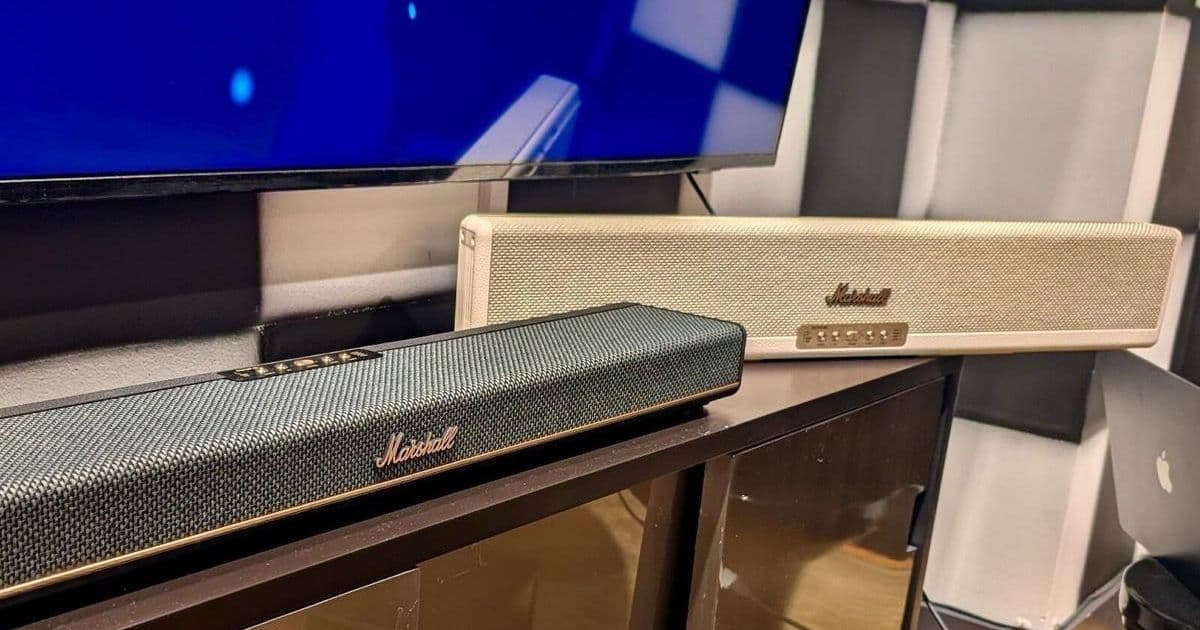
Marshall's new Heston 60 soundbar and Sub 200 subwoofer blend vintage aesthetics with formidable audio performance, challenging Sonos and Bose in the modular home audio market. With unique design choices and analog-friendly connectivity, they cater to audiophiles seeking alternatives to mainstream ecosystems.
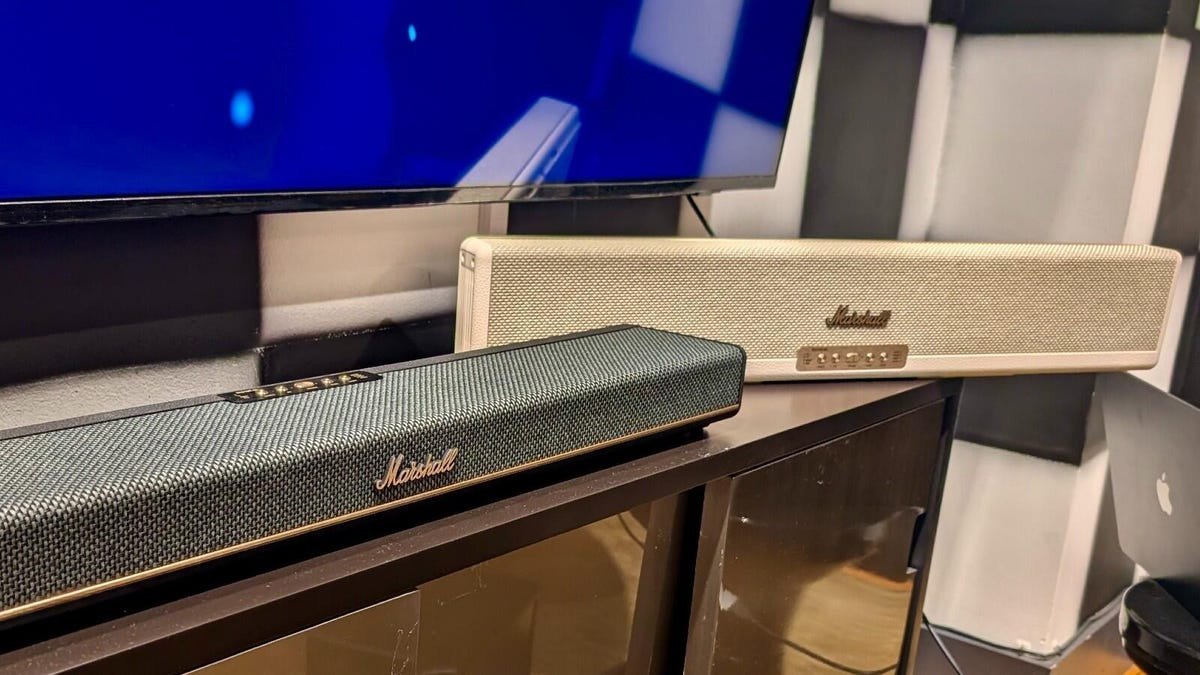
In a dimly lit demo room in New York City, the roar of fighter jets from Top Gun: Maverick wasn't just heard—it was felt. Marshall's latest offerings, the Heston 60 soundbar and Sub 200 subwoofer, delivered a Dolby Atmos experience that left this tech journalist questioning the dominance of household names like Sonos and Bose. As reported by Jada Jones for ZDNET, these products aren't just incremental updates; they represent Marshall's strategic push into modular home audio, targeting music enthusiasts with a blend of rock-and-roll heritage and modern engineering.
The Design Rebellion: Where Form Meets Function
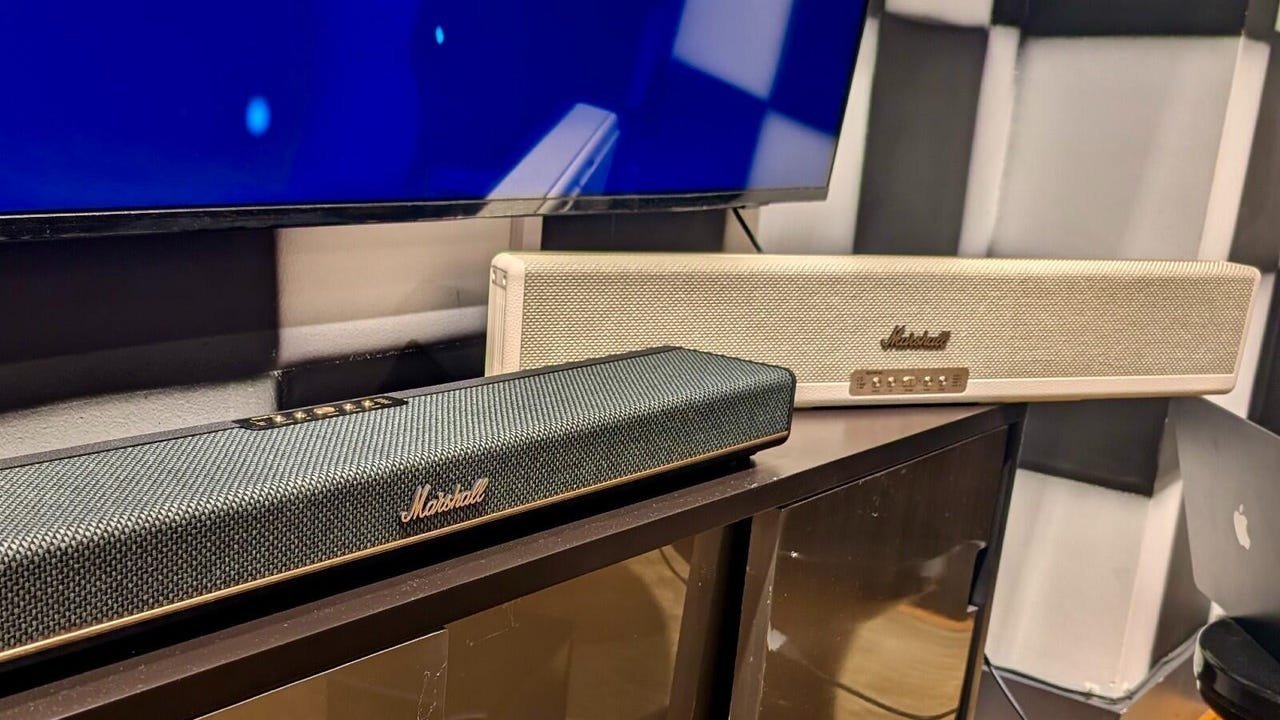
Marshall's design language is unmistakable. The Heston 60 and Sub 200 echo the brand's amp-making roots with tactile controls, polyurethane leather finishes, and brushed metal panels—a stark contrast to Sonos's minimalist, blend-into-your-decor approach. The Heston 60, compact enough for small to medium rooms, swaps knobs for buttons to accommodate its internal components, while the Sub 200 ditches the traditional black-box subwoofer look for something that demands attention. This aesthetic isn't just retro flair; it's a statement that audio gear can be both a performance piece and a conversation starter. As Jones notes, 'Marshall's products should be seen as much as they should be heard,' appealing to consumers weary of homogenized tech design.
Under the Hood: Performance That Punches Above Its Weight
During hands-on testing, the Heston 60 impressed with its standalone bass, thanks to two three-inch woofers and four passive radiators. Pair it with the Sub 200—featuring dual five-and-a-quarter-inch woofers that dig down to 30 Hz—and the combo delivers a seismic low end that elevates movies and music. In the demo, dialogue clarity and instrument separation in Top Gun: Maverick were exceptional, though the lack of upfiring speakers limits true Dolby Atmos immersion. This positions the Heston 60 as a direct rival to Sonos's Beam (Gen 2), but with a key differentiator: Marshall's support for high-resolution codecs like FLAC, ALAC, and WMA, catering to audiophiles with extensive digital libraries.
Connectivity Clash: Wi-Fi vs. Bluetooth LE and Analog Roots
Where Sonos builds ecosystems via Wi-Fi for seamless multi-room audio, Marshall takes a hybrid path. The Heston 60 includes Wi-Fi 6 but uses Bluetooth LE to wirelessly link to the Sub 200—offering about 100 feet of indoor range—and doesn't integrate with Marshall's portable speakers. Crucially, it sports legacy inputs like Aux In and Sub Out, a nod to vinyl turntables and older gear that Sonos often sidelines. Jones observed that this 'embrace of traditional connectivity' could lure Sonos users frustrated by recent app changes, though Marshall's smaller lineup (just two soundbars and one sub) lacks the versatility of Sonos's broader ecosystem.
The Bigger Picture: Shaking Up the Audio Status Quo
Marshall's entry signals a shift toward modular systems that prioritize flexibility and style, potentially fragmenting a market long dominated by a few giants. At $700 for the Heston 60 and $600 for the Sub 200, they undercut premium competitors while offering unique value through design and analog support. Yet, as Jones highlights, the absence of rear speakers leaves a gap for true surround sound. If Marshall expands its lineup, it could force Sonos and Bose to rethink their strategies, proving that in home audio, heritage and innovation aren't mutually exclusive—they're amplifiers for disruption.
Comments
Please log in or register to join the discussion