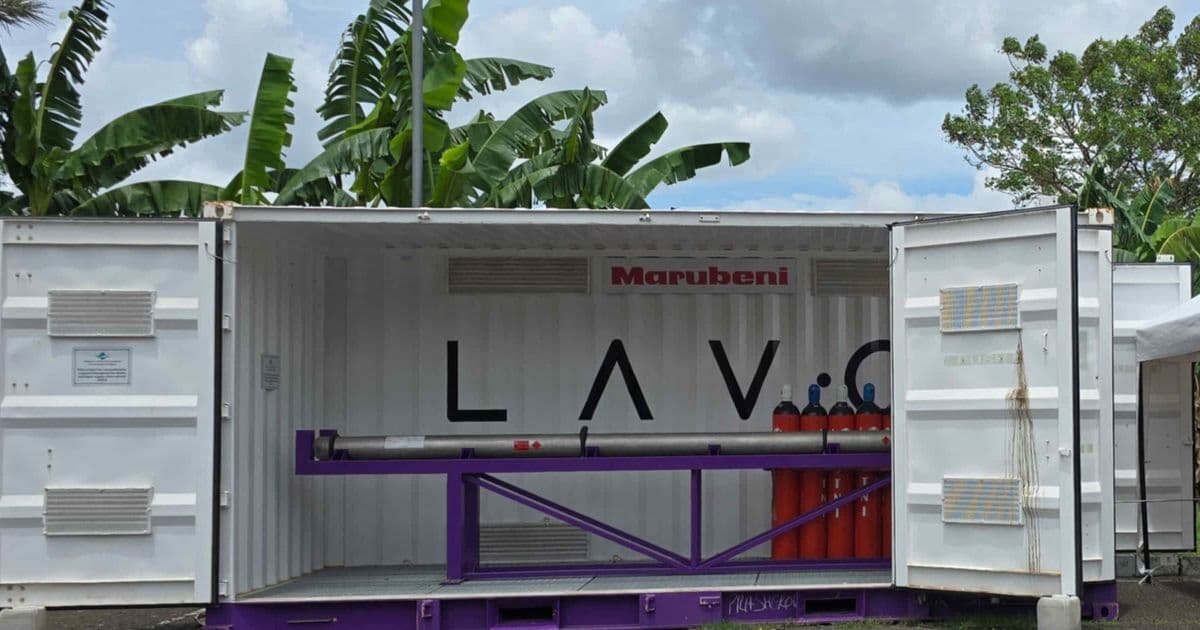
Japanese trading house Marubeni has successfully conducted the world's first international transport of hydrogen using metal hydride alloy technology, marking a significant milestone in clean energy logistics.
Japanese trading house Marubeni has achieved a world first by successfully transporting hydrogen internationally using metal hydride alloy technology, potentially revolutionizing how clean energy is shipped across oceans.
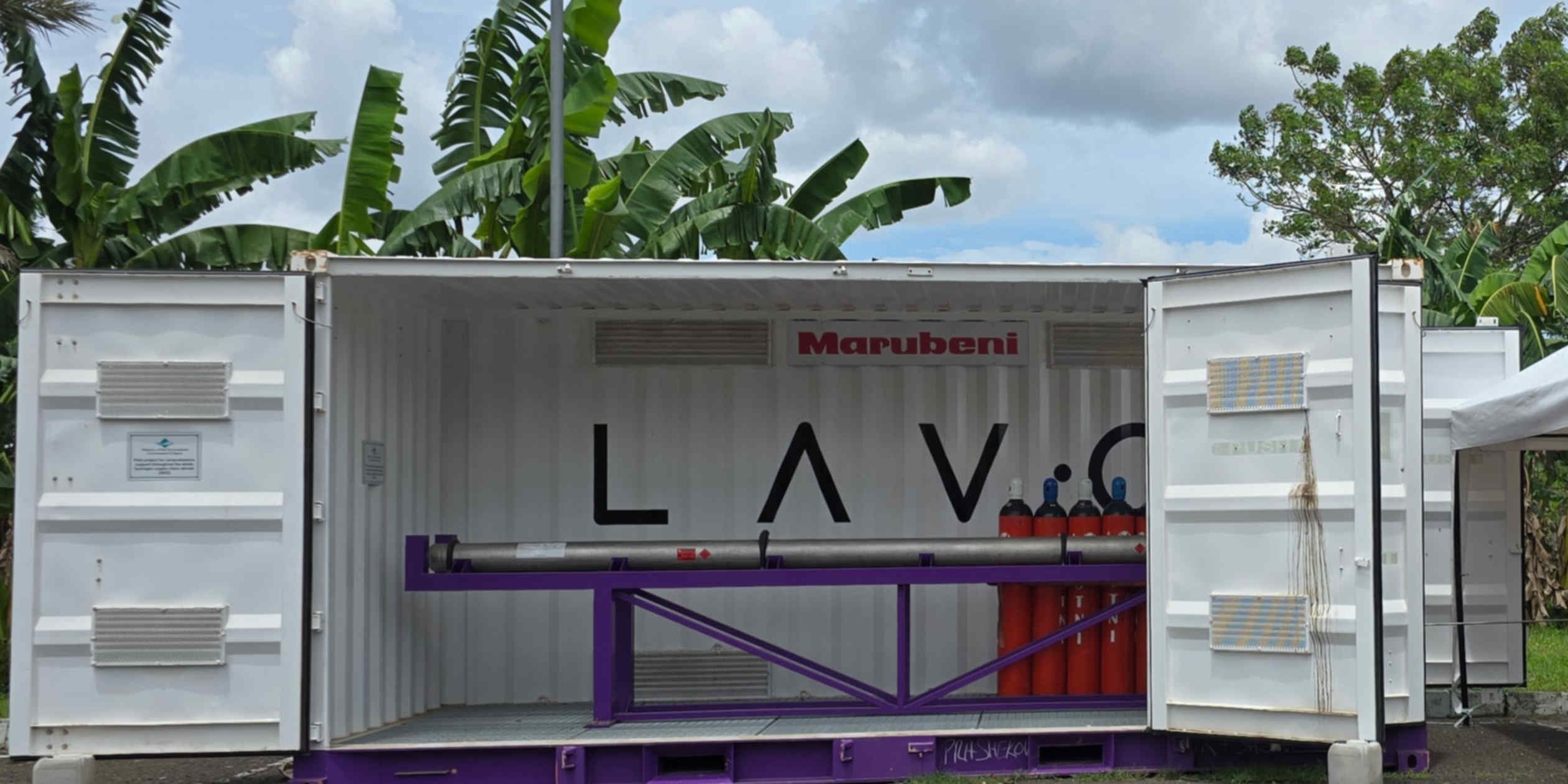
The test involved shipping a standard container that held a cylinder containing Marubeni's hydrogen-storing metal hydride alloy, demonstrating that the technology can work within existing shipping infrastructure.
The Technology Behind the Breakthrough
Metal hydride alloys work by chemically bonding hydrogen atoms to metal compounds, creating a stable solid form that can be safely transported. Unlike compressed gas or liquid hydrogen, which require extreme pressures or temperatures, metal hydrides store hydrogen at ambient conditions.
This approach addresses one of the biggest challenges in the hydrogen economy: how to move the fuel efficiently from production sites to end users. Traditional methods either require expensive cryogenic equipment for liquid hydrogen or high-pressure tanks for compressed gas, both of which add significant costs and complexity to shipping.
Why This Matters for Clean Energy
The successful test represents more than just a technical achievement. It opens the door for countries with abundant renewable energy resources to become hydrogen exporters, shipping the fuel to energy-hungry nations in a form that's both safe and economically viable.
Japan, which imports nearly all its energy, sees hydrogen as a crucial component of its decarbonization strategy. The country has limited space for large-scale renewable energy projects, making imported clean hydrogen essential for meeting its climate goals.
The Year-Long Journey to Success
Marubeni spent approximately one year clearing regulatory and technical hurdles to make the shipment possible. This included working with customs authorities, shipping companies, and port operators to ensure the metal hydride containers met all safety standards.
The trading house's persistence paid off, demonstrating that hydrogen can be integrated into existing global supply chains without requiring entirely new infrastructure.
Market Context and Competition
This breakthrough comes as several countries race to establish themselves in the emerging hydrogen economy. Australia, the Middle East, and Chile are all investing heavily in hydrogen production, hoping to become major exporters to Asian markets.
China has also been rapidly expanding its hydrogen capabilities, with BYD and Yutong buses already adopting the technology in European markets. Meanwhile, Toyota recently replaced its CEO with its CFO, signaling potential strategic shifts in the company's approach to clean energy technologies.
Economic Implications
The ability to ship hydrogen efficiently could transform energy trade patterns. Countries with abundant solar or wind resources could produce hydrogen using renewable electricity, then export it to industrial centers thousands of miles away.
For Japan, this technology could reduce dependence on fossil fuel imports while supporting its industrial sector's transition to cleaner energy sources. The country's automotive and manufacturing industries, which have traditionally relied on imported oil and gas, could pivot to hydrogen-based processes.
Challenges Remaining
Despite the breakthrough, several challenges remain before metal hydride shipping becomes commercially viable at scale. The technology must prove cost-competitive with other hydrogen transport methods, and production capacity for the specialized alloys needs to increase significantly.
Additionally, the entire hydrogen value chain - from production to end use - needs to develop in parallel. Efficient shipping is only valuable if there are both reliable suppliers and sufficient demand at the destination.
Looking Ahead
The successful test positions Marubeni at the forefront of hydrogen logistics innovation. As countries worldwide set ambitious decarbonization targets, technologies that enable clean energy trade will become increasingly valuable.
This achievement also highlights Japan's continued role as an innovator in energy technology, despite challenges in other sectors. While the yen weakens past 155 per dollar amid political developments, Japanese companies like Marubeni are quietly building the infrastructure for the next generation of global energy trade.
The metal hydride breakthrough may prove to be one of those quiet innovations that, in retrospect, marks a turning point in how the world moves toward a cleaner energy future.
Comments
Please log in or register to join the discussion