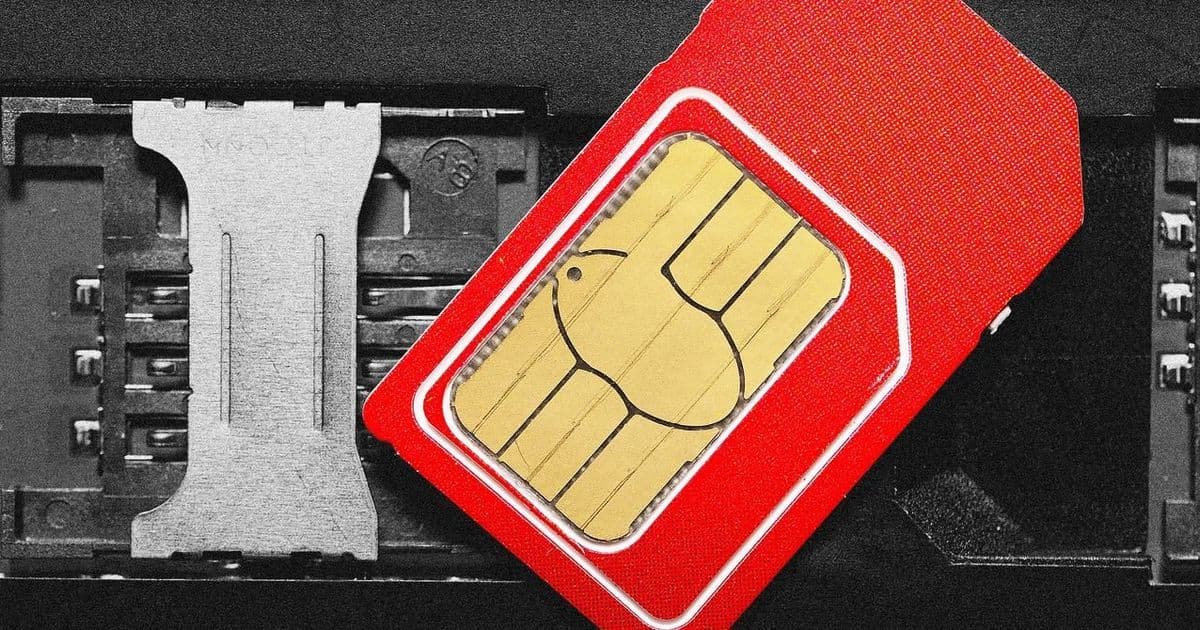
US Secret Service uncovered a sprawling operation with over 100,000 SIM cards capable of disabling cell towers and flooding networks. The criminal infrastructure could have sent 30 million texts per minute, threatening critical communications during events like the UN General Assembly.
The Secret Service's 100,000-SIM Discovery: When Fraud Meets Infrastructure Sabotage
Federal agents made a startling discovery across New York's tristate area: a network of clandestine facilities housing more than 100,000 SIM cards organized into sophisticated "SIM servers" capable of coordinated attacks on telecommunications infrastructure. This operation wasn't merely a tool for spam—it represented an unprecedented threat vector for disrupting critical communications across America's most populous city.
Anatomy of a Digital Weapon
SIM farms use specialized hardware called "SIM boxes" to manage hundreds of SIM cards simultaneously. These devices enable cybercriminals to:
- Rotate SIM identities to evade detection systems
- Geolocate traffic to appear legitimate
- Launch coordinated SMS/call campaigns at industrial scale
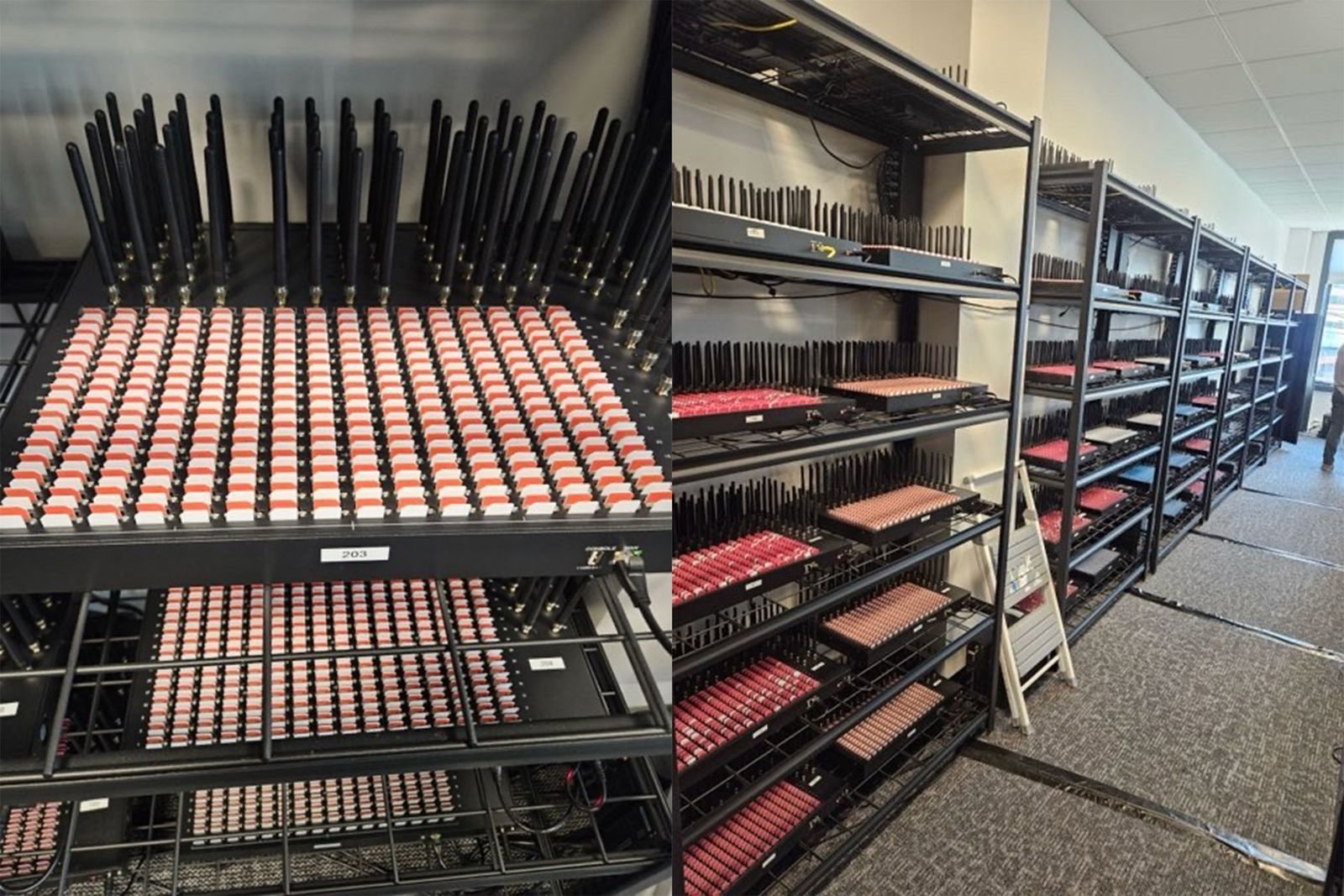 Photos of SIM blocks seized by Secret Service agents, each capable of managing ~100 SIM cards
The seized New York operation contained hundreds of these boxes arranged in "clean, tidy racks" with meticulously labeled equipment—evidence of professional criminal enterprise. According to Cathal Mc Daid, VP of Technology at Enea, "This looks more professional than many SIM farms you see," noting each box contained approximately 256 ports.
Scale of Disruption
A law enforcement source familiar with the investigation revealed terrifying capabilities:
"This network could send approximately 30 million text messages per minute, meaning it could anonymously text the entire United States in around 12 minutes. It had the capacity to overwhelm cell towers and essentially shut down NYC's cellular network."
The timing was particularly alarming—authorities moved swiftly to dismantle the network before this week's UN General Assembly, though no direct threat was confirmed.
From Swatting to Systemic Threat
The operation first surfaced during December 2023 swatting attacks targeting lawmakers Marjorie Taylor Greene and Rick Scott, linked to Romanian and American perpetrators. While SIM farms typically fuel financial fraud, this case revealed an escalation:
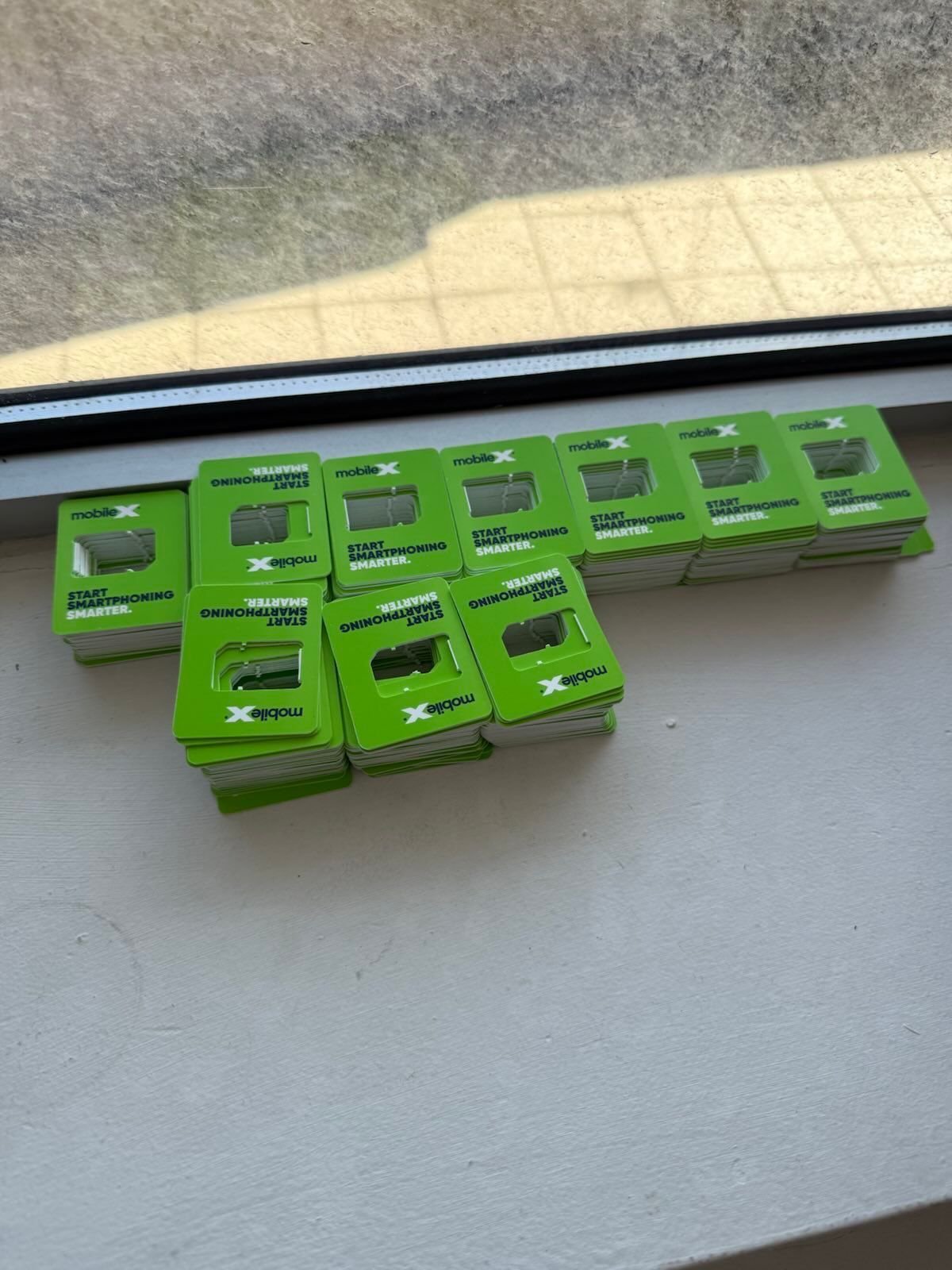 MobileX SIM card packages found in the operation
Ben Coon of Unit 221b noted, "The disruption of cell services is possible by flooding networks until they can't take more traffic." MobileX CEO Peter Adderton confirmed cooperation with investigators, acknowledging their low-cost SIMs occasionally attract bad actors.
Global Pattern Emerges
This isn't isolated. Ukrainian authorities recently uncovered 150,000-SIM farms used for Russian disinformation campaigns. Allison Nixon, Chief Research Officer at Unit 221b, observed a dangerous pattern: "Cybercrime, allowed to fester, always leads to terrorism. The first time feds see this, the operation is already massive."
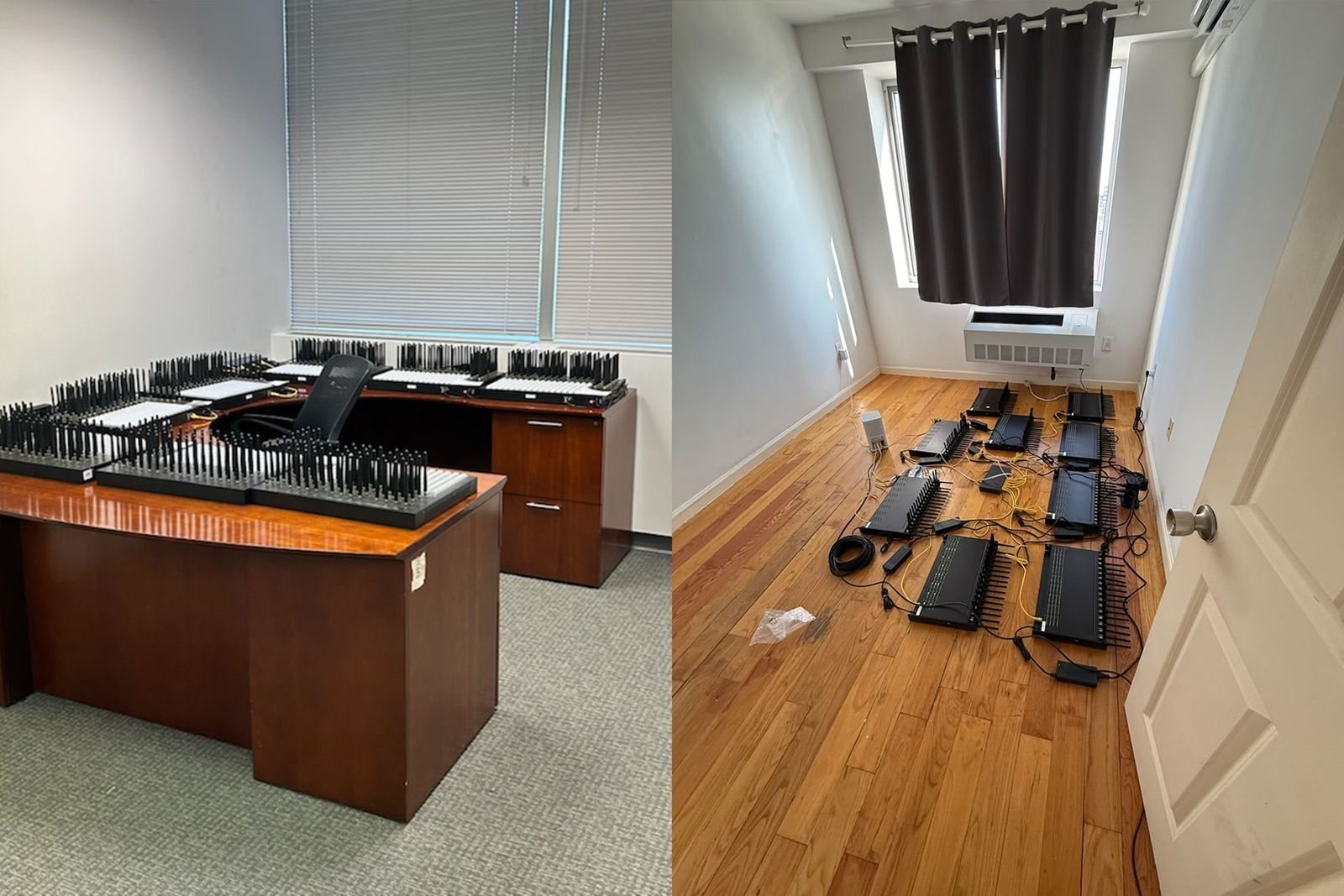 Additional equipment seized from New York-area SIM farm sites
The Secret Service's Advanced Threat Interdiction Unit continues investigating the calling/texting records, with no arrests yet made. As SIM box technology advances—sometimes smuggled disguised as audio amplifiers—the incident underscores how criminal infrastructure now overlaps with national security threats, demanding new defenses for our communication backbones.
Comments
Please log in or register to join the discussion