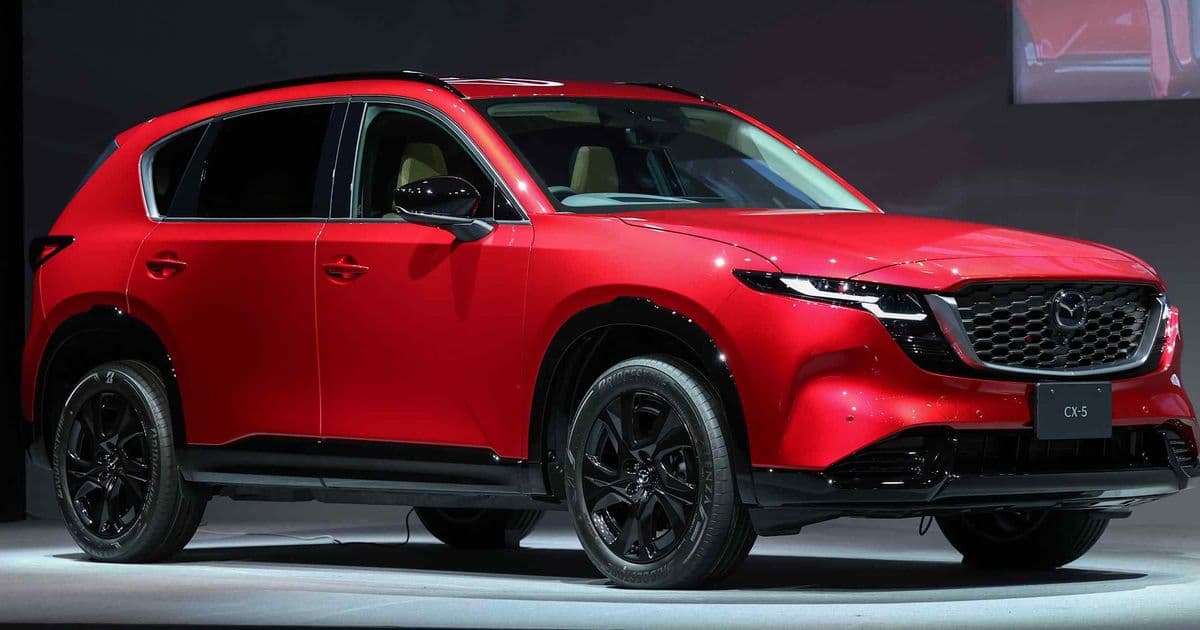
Mazda unveiled the latest CX‑5 in Tokyo, aiming to boost global sales as Chinese rivals gain market share. The move comes with a 20% cut in EV spending and a stronger focus on hybrid powertrains, reflecting shifting regulations and consumer demand.
Mazda bets on flagship CX‑5 SUV, boosting sales amid rise of Chinese rivals
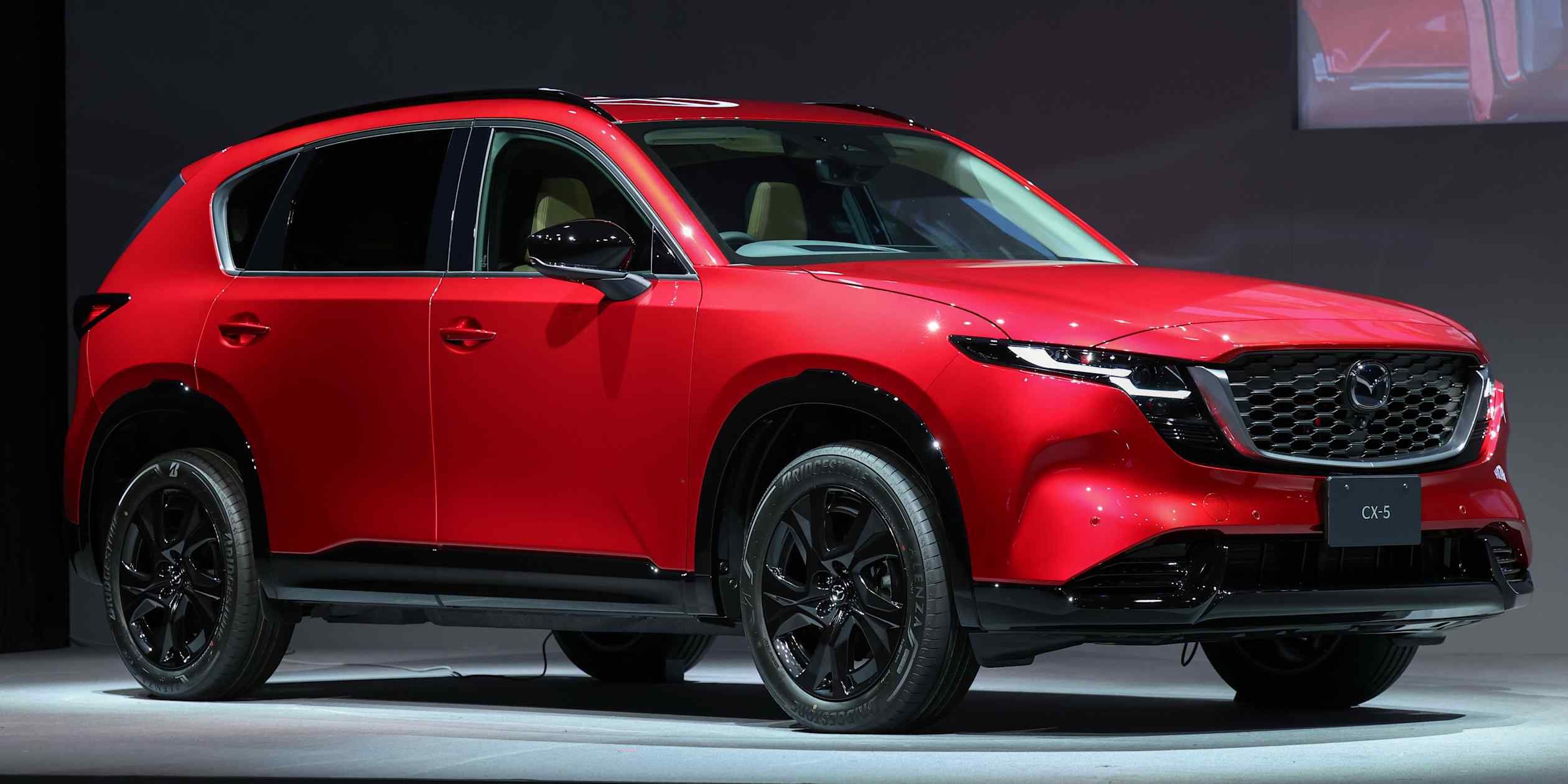
Mazda Motor announced the launch of the refreshed CX‑5 on 21 May in Tokyo, positioning the model as the cornerstone of its global growth strategy. The new CX‑5 adds a revised front fascia, upgraded infotainment hardware and a plug‑in hybrid (PHEV) powertrain that delivers 215 hp and an electric‑only range of 55 km. Pricing in Japan starts at ¥3.48 million (≈ US$23,000), roughly 4 % below the outgoing model, a deliberate move to protect market share against rapidly expanding Chinese brands such as BYD, Geely and Chery.
Market context
- Chinese competition: In the first quarter of FY2026, Chinese‑origin SUVs captured 12.3 % of Japan’s passenger‑vehicle market, up from 8.7 % a year earlier, according to JAMA data. BYD’s Tang and Geely’s Boyue have been priced 5‑7 % lower than comparable Japanese offerings, pressuring domestic manufacturers.
- Regulatory shift: Japan’s Ministry of Economy, Trade and Industry will tighten CO₂ limits for new‑car sales to 120 g/km by 2027, effectively mandating higher hybridisation or electrification for most segments.
- Mazda’s financial backdrop: The automaker posted a ¥120 billion (US$770 m) profit in FY2025, but warned that U.S. EV demand has softened, prompting a 20 % reduction in its global EV‑development budget, now capped at ¥150 billion.
Strategic implications
- Hybrid focus over pure EVs – By expanding the CX‑5’s hybrid lineup, Mazda sidesteps the capital‑intensive EV platform race while still meeting upcoming emissions targets. The new PHEV variant uses a 1.5‑litre Skyactiv‑G engine paired with a 15 kWh lithium‑ion pack, a configuration that can be produced on existing assembly lines with minimal retooling costs.
- Cost‑competitive pricing – The 4 % price cut is financed through a combination of supply‑chain optimisation (a 3 % reduction in parts cost after renegotiating contracts with Denso) and the decision to defer the rollout of a dedicated EV model in the compact SUV segment until 2028.
- Brand differentiation – Mazda continues to market its “Zoom‑Zoom” driving dynamics, emphasizing chassis tuning and lightweight aluminium construction. The CX‑5’s new adaptive suspension and 18‑inch alloy wheels are positioned as premium touches that Chinese rivals typically lack.
- Global rollout plan – After the domestic debut, Mazda will ship the updated CX‑5 to North America, Europe and Southeast Asia by Q4 2026. Forecasts from IHS Markit suggest the model could add 150,000 units to Mazda’s global sales in FY2027, narrowing the 2025 sales gap with rivals Honda and Toyota.
What it means for the industry
Mazda’s pivot underscores a broader trend among Japanese OEMs: rather than pouring billions into full‑battery EVs, many are bolstering hybrid portfolios to meet stricter emissions rules while preserving cash flow. The CX‑5’s incremental upgrades illustrate how legacy platforms can be refreshed with electrified powertrains without the need for entirely new architectures.
For investors, Mazda’s decision to trim EV spend while betting on a proven, high‑margin SUV could improve earnings stability. Analysts at Nomura project a 3.2 % rise in Mazda’s operating margin for FY2027, assuming the CX‑5 maintains its projected sales trajectory.
Bottom line: The refreshed CX‑5 is Mazda’s tactical response to Chinese competition and tightening regulations. By sharpening its hybrid offering and keeping prices competitive, Mazda aims to sustain growth without the heavy capital outlays that dominate the EV race.
Comments
Please log in or register to join the discussion