
Memory producers like Micron, Sandisk, Western Digital, and Seagate are resisting aggressive capacity expansion despite forecasts of impending shortages for PC and mobile memory, prioritizing market stability over chasing temporary demand spikes.
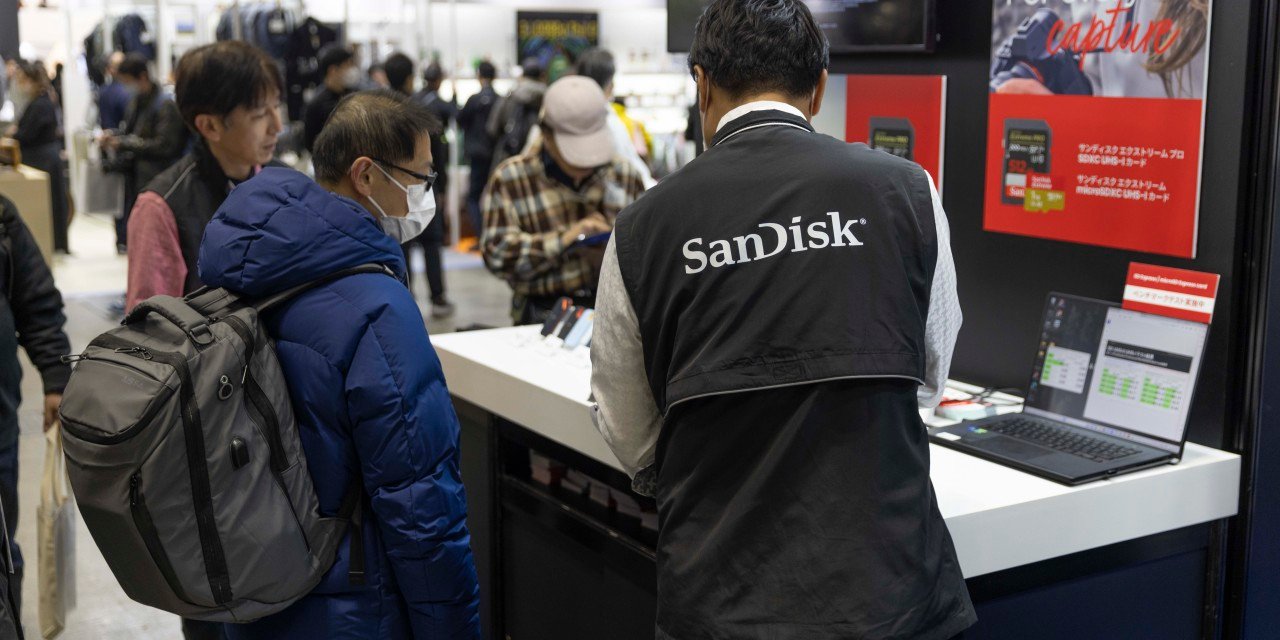
The semiconductor memory market faces a familiar dilemma: forecasts predict shortages for PC and mobile device memory components, yet major manufacturers including Micron, Sandisk, Western Digital, and Seagate are deliberately limiting production capacity expansion. This cautious approach stems from painful lessons learned during previous boom-bust cycles that devastated industry profitability.
Current projections indicate rising demand for DRAM and NAND flash memory chips driven by several converging factors: enterprise server upgrades to support AI workloads, replacement cycles for pandemic-era PCs, and sustained mobile device production. Industry analysts note that these demand drivers could create supply shortfalls within 12-18 months if capacity remains static.
However, manufacturers aren't rushing to build new fabrication facilities. Micron's strategy exemplifies this restraint – while acknowledging potential undersupply, the company maintains disciplined capital expenditure targeting "high-return projects" rather than blanket expansion. This mirrors Western Digital and Seagate's recent earnings commentary emphasizing margin protection over market share gains.
Three key factors drive this conservative stance:
- Cyclical Memory Market History: The 2018-2019 memory glut saw prices plummet up to 50% after manufacturers overbuilt capacity during a demand surge. Companies took years to recover financially.
- Extended Capacity Lead Times: Building new semiconductor fabrication facilities requires 2-3 years and billions in investment. By the time new plants come online, demand patterns may have shifted dramatically.
- Demand Forecasting Uncertainty: While PC and smartphone demand shows strength, enterprise spending remains volatile. The much-hyped AI boom hasn't yet translated into sustained memory demand outside specialized high-bandwidth modules.
Industry observers note this creates a delicate balancing act. Undersupply could extend product lead times and increase consumer prices for devices. However, manufacturers consider this preferable to the alternative. "Another oversupply cycle would be catastrophic for an industry with already thin margins," noted a semiconductor analyst at Counterpoint Research. "Micron's 2023 $1.4 billion quarterly loss during the last downturn remains fresh in executives' minds."
The cautious approach extends beyond new factories. Manufacturers are prioritizing:
- Yield improvements on existing production lines
- Transitioning to more advanced nodes (176L+ 3D NAND, 1-beta DRAM)
- Diversifying product mix toward higher-value enterprise and specialty memory
This strategy carries its own risks. Persistent shortages could accelerate customer adoption of alternative technologies or drive OEMs toward secondary suppliers. Chinese memory makers like YMTC could gain market share if shortages become acute, despite geopolitical constraints.
Market dynamics will ultimately test manufacturers' discipline. As TrendForce noted in their latest report, "The willingness to maintain production discipline will weaken if spot prices rise beyond 30% of contract prices." For now, the industry's traumatic memory of past downturns appears stronger than the temptation of potential short-term gains.
Comments
Please log in or register to join the discussion