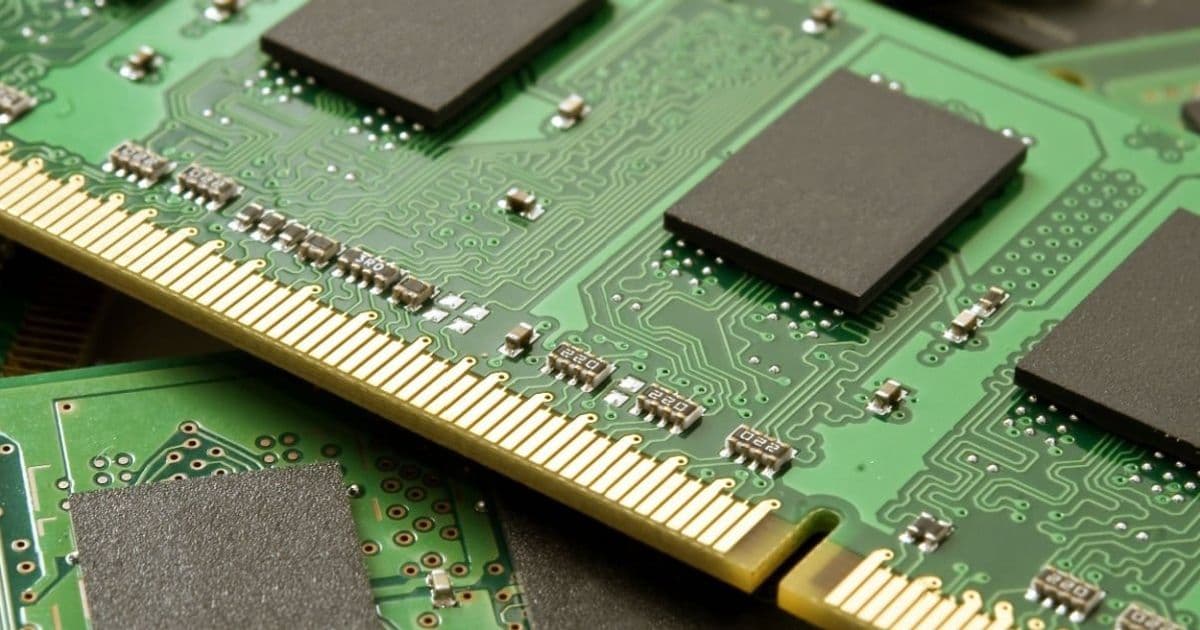
Soaring DRAM and NAND costs driven by AI demand are forecast to eliminate entry-level devices, with Gartner predicting over 10% decline in PC shipments and 8% drop in smartphones this year.
Soaring DRAM and NAND costs driven by AI demand are forecast to eliminate entry-level devices, with Gartner predicting over 10% decline in PC shipments and 8% drop in smartphones this year.
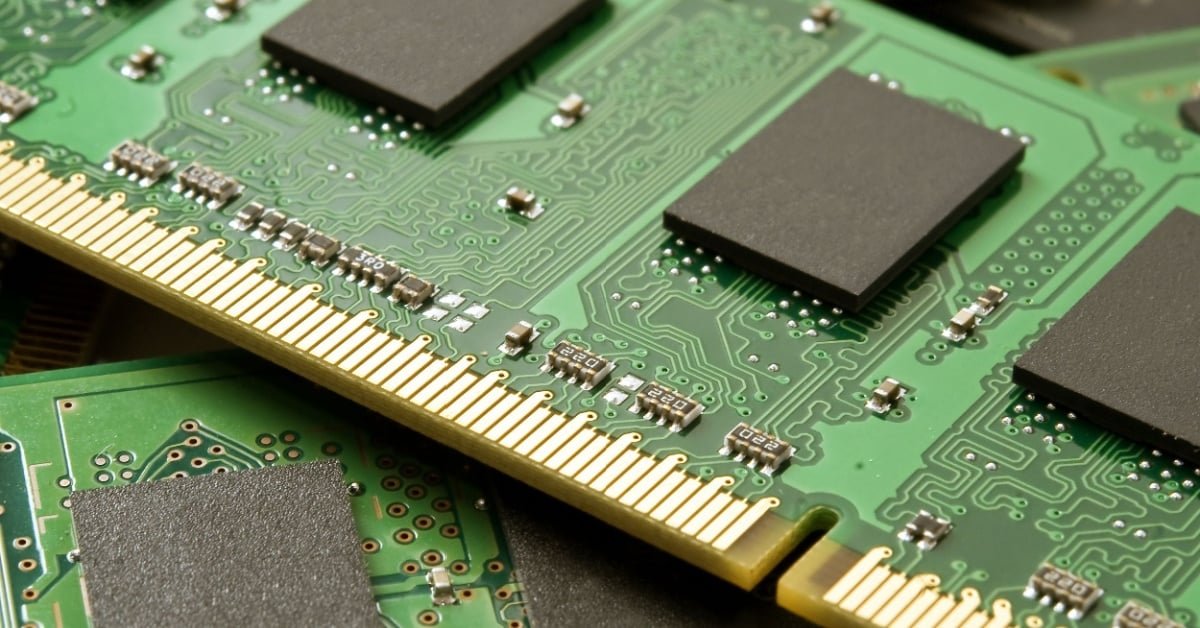
The Memory Crisis Reshaping Consumer Tech
Budget PCs and smartphones are facing extinction as memory prices skyrocket, driven by unprecedented demand from AI infrastructure. Gartner's latest projections paint a stark picture: PC shipments will decline by more than 10% in 2026, while smartphone shipments face an 8% drop, all stemming from what analysts call a "fairly unique situation" in the memory market.
The Numbers Behind the Crisis
Memory prices have already doubled or quadrupled since last year, with Gartner forecasting a staggering 130% rise in DRAM and NAND flash costs by the end of 2026. This isn't just another boom-bust cycle in the semiconductor industry. Unlike previous shortages caused by production constraints, this crisis is demand-driven, primarily by hyperscalers investing heavily in AI infrastructure.
"Because the price of memory is increasing so much, vendors lose the ability to provide entry-level PCs – those below about $500," explains Ranjit Atwal, Gartner research director. The math simply doesn't work anymore. PC makers could theoretically raise prices on budget systems, but price-sensitive consumers won't bite at higher costs for stripped-down hardware.
The AI PC Paradox
The memory shortage creates a particularly cruel irony for the AI PC market. These systems, equipped with neural processing units for accelerating AI tasks, were supposed to be the next big thing. Instead, they're contributing to the very problem that's constraining their adoption.
AI PCs require more memory to support AI processing, and vendors typically price them as premium products. "Historically, downgrading specifications was the way to go when prices were being squeezed, but that's difficult here," Atwal notes. Microsoft's Copilot+ PC specification requires a minimum of 16GB RAM, while Gartner recommends at least 32GB for new enterprise systems.
The market dynamics aren't playing out as expected. Rather than driving mass adoption through falling average prices, AI PCs are likely to remain in the premium bracket. Atwal predicts they won't comprise more than 50% of the market until 2028, meaning traditional systems without NPUs will persist longer than initially anticipated.
The Smartphone Squeeze
Smartphones face a similar but slightly different challenge. Vendors have more margin flexibility compared to the razor-thin profits in budget PCs, but entry-level models are still under severe pressure. "The increase in memory prices means entry phones will become more expensive, but premium devices are likely to go up less," Atwal explains.
This dynamic erodes the price advantage that budget smartphones traditionally enjoyed. Some consumers will trade up to premium devices, while others will simply delay purchases altogether. The result is a shrinking middle ground in the smartphone market, with fewer choices for cost-conscious buyers.
The New Normal for Device Lifetimes
As prices inflate, both corporate and consumer buyers are expected to extend device lifetimes significantly. Gartner projects a 15% increase in PC lifetimes within businesses and a 20% increase for consumer systems. This shift represents a fundamental change in how the tech industry operates.
For anyone considering a PC refresh, the advice is clear: buy now. Prices are only heading upward and are likely to remain elevated through at least the end of next year. The memory shortage could extend through to the end of 2027, according to Atwal's warning.
Industry-Wide Impact
The memory crisis is rippling across the tech ecosystem. HP recently disclosed that DRAM now accounts for 35% of PC build costs, up from 15-18% just last quarter. This proportion is expected to increase throughout the calendar year, fundamentally altering the economics of PC manufacturing.
Beyond direct device costs, the shortage is affecting related markets. The secondhand laptop market has gone "mainstream" as buyers seek alternatives to new systems. Broadband rollouts are feeling the burn from the AI memory frenzy, as infrastructure projects compete for the same limited supply.
The End of Budget Computing?
What makes this situation particularly challenging is that it represents a structural shift rather than a temporary disruption. "Usually when memory prices shoot up, it is because of production issues constraining supply. Here, it is demand-side pressure from hyperscalers pushing up memory costs for PCs and smartphones," Atwal explains.
Unlike earlier cycles where prices rise and fall with inventories, this shortage appears long-lasting. The combination of insatiable AI demand and limited manufacturing capacity suggests that budget computing as we know it may be permanently altered.
The ultimate consequence is a marketplace with less choice. As Atwal puts it, "What we have here is a fairly unique situation" that's likely to reshape consumer technology for years to come. Budget-conscious buyers face a stark reality: either pay more for less capable devices or hold onto existing hardware longer than ever before.
Comments
Please log in or register to join the discussion