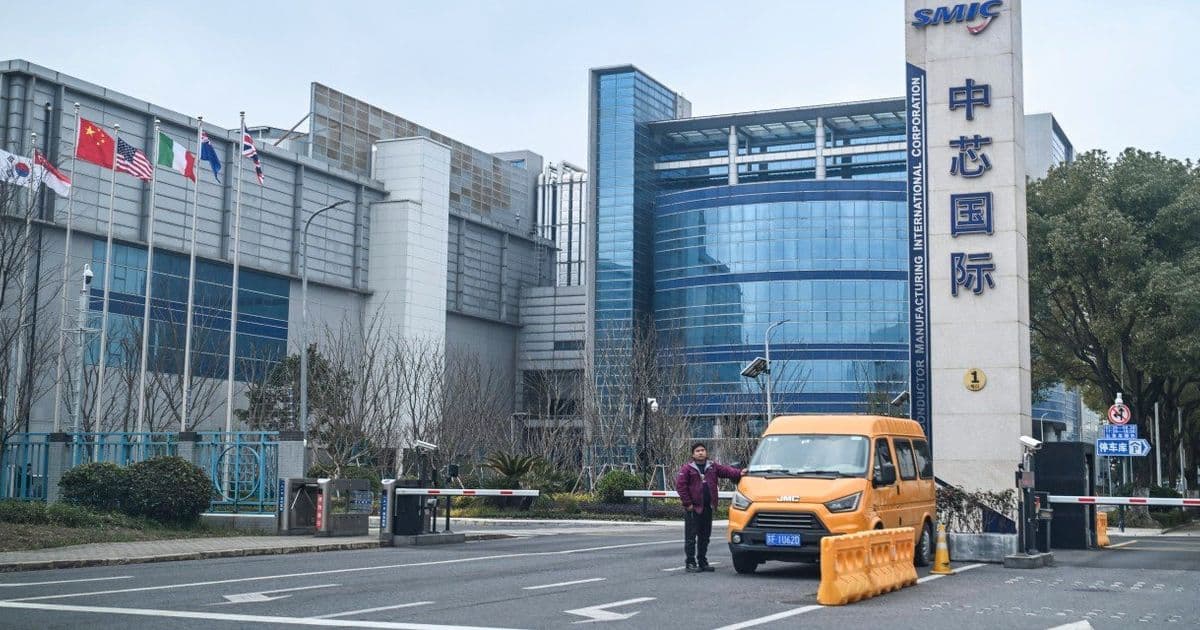
SMIC CEO Zhao Haijun warns of widespread panic in the semiconductor industry due to critical memory shortages, with prices surging over 80% in 2026 and relief potentially nine months away.
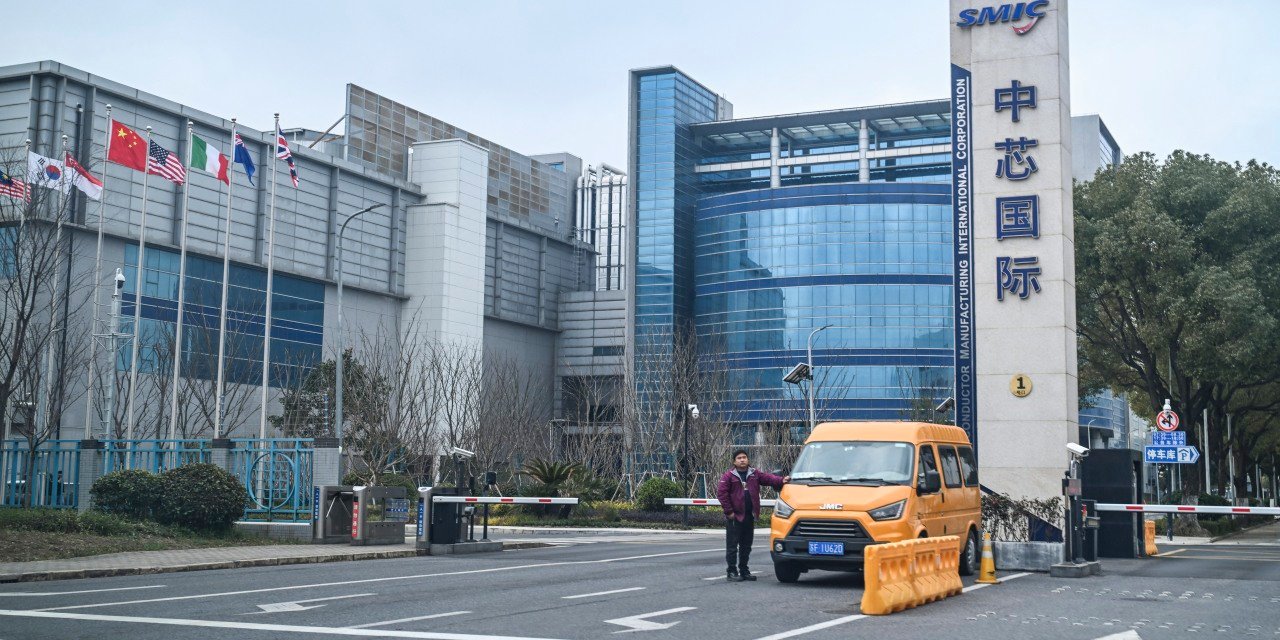
The semiconductor industry is facing its most severe supply crisis in years, with China's largest contract chipmaker sounding alarms about unsustainable memory shortages. Zhao Haijun, CEO of Semiconductor Manufacturing International Corporation (SMIC), revealed that industry leaders are "a bit panicked" about constrained memory supplies during a quarterly earnings briefing. This admission comes as memory prices have skyrocketed by over 80% year-to-date in 2026.
Market data indicates the shortage is impacting multiple memory categories, including DRAM and NAND flash used in smartphones, servers, and AI hardware. The crisis stems from a perfect storm of factors: unprecedented demand for AI infrastructure, pandemic-era supply chain disruptions, and geopolitical constraints on chip manufacturing capacity. According to Zhao, relief might arrive in approximately nine months as new production comes online, though this timeline remains speculative given the industry's complex global supply chains.
Counterbalancing this grim outlook, some analysts question whether the shortage narrative overlooks existing inventory reserves. Major cloud providers and device manufacturers typically maintain strategic stockpiles, which could temporarily buffer the impact. However, industry reports suggest these reserves are depleting faster than anticipated, particularly for high-bandwidth memory (HBM) used in AI accelerators.
The shortage has already triggered strategic shifts across the tech landscape. Apple reportedly accelerated payments to secure memory allocations for upcoming iPhone models, while server manufacturers are redesigning boards to accommodate alternative memory configurations. These adaptations come at significant cost - research firm TrendForce estimates the price hikes could add $50-$150 to consumer device manufacturing costs by Q3 2026.
Longer-term solutions remain contentious. While SMIC and Yangtze Memory Technologies Corp (YMTC) are expanding Chinese production capabilities, their access to advanced lithography equipment remains restricted by export controls. Meanwhile, Samsung and SK Hynix face challenges scaling EUV-based production fast enough to meet demand. This imbalance suggests the current price surge may be more than a temporary fluctuation, potentially signaling structural changes in how memory supply chains operate in an AI-dominated market.
For enterprises, the immediate implications are clear: expect extended lead times for hardware procurement and prepare for continued component cost volatility. As Zhao's warning permeates the industry, manufacturers without locked-in supply agreements may find themselves at the mercy of a market where spot prices change daily and allocation trumps purchasing power.
Comments
Please log in or register to join the discussion