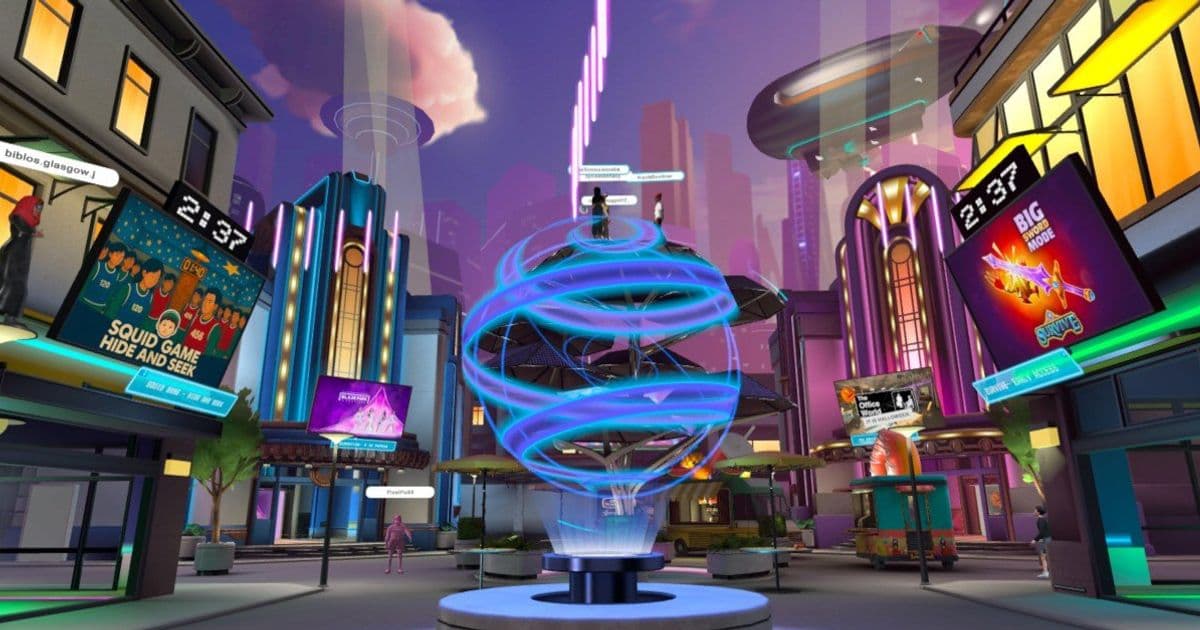
Meta is fundamentally restructuring its virtual reality strategy by explicitly separating its Quest VR hardware from the Horizon Worlds platform, shifting Worlds to become 'almost exclusively mobile' in a move to better compete with Roblox. This strategic pivot marks a significant departure from Meta's previous integrated approach to VR hardware and software.
Meta's announcement that it is "explicitly separating" its Quest VR hardware from the Horizon Worlds platform represents a major strategic shift in the company's virtual reality ambitions. By making Worlds "almost exclusively mobile," Meta is acknowledging the challenges of driving mainstream adoption through dedicated VR hardware alone and attempting to position itself more directly against Roblox, which has successfully built a cross-platform virtual world ecosystem.
The Strategic Separation
For the past several years, Meta has pursued an integrated approach where its Quest VR hardware served as the primary access point to Horizon Worlds and other Meta VR experiences. This strategy aligned with CEO Mark Zuckerberg's vision of the metaverse as a primarily immersive, VR-first environment. However, the company is now acknowledging that this approach has limitations in terms of market reach and user adoption.
By separating the hardware and software components, Meta is effectively creating two distinct business units with different objectives. The Quest line of VR headsets will continue to focus on delivering high-fidelity, immersive experiences, while Horizon Worlds will transition to a mobile-first platform accessible to the billions of smartphone users worldwide.
Mobile-First Approach
The decision to make Horizon Worlds "almost exclusively mobile" is particularly noteworthy. While Meta has maintained a mobile version of Horizon Worlds alongside its VR experience, the company is now signaling that mobile will become the primary focus. This suggests several strategic considerations:
Market Access: Mobile platforms provide immediate access to billions of potential users, eliminating the barrier of purchasing dedicated VR hardware.
User Acquisition: Mobile-first platforms typically have lower friction for user acquisition and experimentation, potentially allowing Meta to onboard users more quickly than through VR-only channels.
Monetization: Mobile platforms offer established pathways for monetization through in-app purchases, advertising, and subscription models that have proven effective in other mobile ecosystems.
Competition with Roblox: By shifting to mobile, Meta can directly compete with Roblox, which has built a massive user base primarily through its mobile and desktop applications, with VR as an additional rather than primary access method.
Competitive Landscape
Roblox has established itself as the dominant platform for user-generated virtual experiences, particularly among younger demographics. The platform boasts over 70 million daily active users and has successfully created an economy where developers can earn significant revenue from their creations. Roblox's success stems from several factors:
- Cross-platform accessibility (mobile, desktop, console)
- Robust developer tools and ecosystem
- Established virtual economy and currency system
- Strong community and social features
Meta's shift to mobile-first for Horizon Worlds suggests that the company recognizes it cannot compete with Roblox solely through a VR-centric approach. By bringing Worlds to mobile, Meta can leverage its massive existing user base on Facebook and Instagram to drive adoption of its virtual world platform.
Technical and Design Implications
The transition from VR to mobile-first presents significant technical and design challenges:
Interface Adaptation: Horizon Worlds was designed from the ground up for VR interfaces with 3D navigation and interaction. Adapting this experience to a 2D touchscreen interface requires fundamental rethinking of user interaction paradigms.
Performance Optimization: Mobile devices have significantly different performance characteristics compared to dedicated VR hardware. The platform will need to be optimized to deliver compelling experiences on a wide range of smartphone hardware.
Content Adaptation: Existing VR experiences in Horizon Worlds will need to be redesigned or adapted for mobile consumption, potentially limiting the types of experiences that can be effectively delivered on smartphones.
Social Features: The social dynamics of virtual worlds may change significantly when accessed through mobile devices rather than immersive VR environments.
Market Context
This strategic shift occurs amid broader challenges in the VR/AR market:
Consumer Adoption: Despite years of development, VR has remained a niche market compared to other computing platforms. High hardware costs, limited content libraries, and usability issues have constrained mainstream adoption.
Economic Viability: Meta has invested billions in its VR ambitions, with Reality Labs reporting over $13 billion in losses in 2022 alone. The company faces pressure to demonstrate a path to profitability.
Platform Competition: Beyond Roblox, Meta faces competition from other emerging metaverse platforms, including Decentraland, The Sandbox, and various Web3 virtual worlds.
Regulatory Scrutiny: As a major tech company expanding into new domains, Meta faces increasing regulatory scrutiny across its business lines.
Potential Limitations
While the mobile-first approach offers potential benefits, it also presents limitations:
Experience Quality: Mobile devices cannot match the immersion and presence of dedicated VR hardware, potentially limiting the appeal of virtual worlds for users seeking truly immersive experiences.
Hardware Differentiation: By decoupling Worlds from Quest hardware, Meta risks reducing the unique value proposition of its VR headsets, which currently serve as gateways to exclusive content and experiences.
Brand Confusion: The separation of hardware and software platforms may create confusion among consumers about Meta's overall VR/metaverse strategy.
Developer Ecosystem: Developers who have invested in creating VR experiences for Horizon Worlds may need to significantly adapt their work or create parallel mobile versions, potentially fragmenting the development community.
Future Implications
Meta's strategic shift has several potential implications for the future of virtual worlds and metaverse platforms:
Accelerated Adoption: By removing the VR hardware barrier, Meta may accelerate the adoption of virtual worlds among mainstream consumers.
Platform Convergence: The move may signal a broader industry trend toward platform-agnostic virtual world experiences that can be accessed through multiple devices.
Content Evolution: Virtual world content may evolve to accommodate different input methods and interaction paradigms across VR and mobile platforms.
Market Consolidation: As major players like Meta pivot toward mobile-first approaches, we may see further consolidation in the virtual world market, with fewer but larger platforms dominating the space.
Conclusion
Meta's decision to separate Quest VR from Horizon Worlds and shift to a mobile-first approach represents a pragmatic acknowledgment of the current limitations of VR hardware and the success of cross-platform virtual worlds like Roblox. While this strategic pivot may help Meta expand its reach and better compete in the virtual world space, it also raises questions about the company's long-term commitment to immersive VR and the future of its dedicated hardware ecosystem.
As the metaverse concept continues to evolve, this move by Meta may signal a broader industry shift toward more accessible, cross-platform virtual experiences that prioritize user adoption over technological immersion. Whether this approach will ultimately prove successful in establishing Meta as a leader in the virtual world space remains to be seen, but it clearly represents a significant recalibration of the company's VR and metaverse strategy.
Comments
Please log in or register to join the discussion