Nebius reveals Meta's massive five-year commitment to AI infrastructure, raising questions about the future of cloud computing economics and Meta's strategic positioning in the AI race.
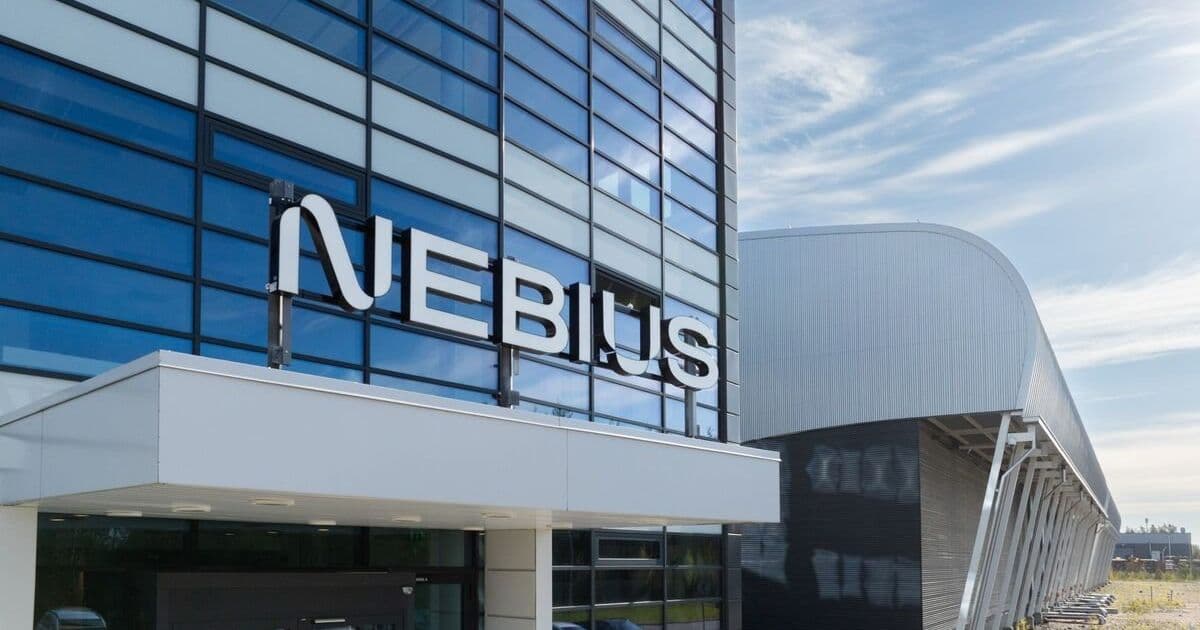
Meta's decision to commit up to $27 billion over five years for AI infrastructure access represents a fundamental shift in how major tech companies approach cloud computing and AI development. The Amsterdam-based cloud provider Nebius disclosed that Meta will begin with $12 billion in capacity by early 2027, marking one of the largest infrastructure commitments in tech history.
This move signals several important trends in the AI ecosystem. First, it demonstrates that even tech giants like Meta cannot build all the infrastructure they need in-house. The scale and speed required for cutting-edge AI development has outpaced internal capabilities, forcing companies to rely on specialized providers. This creates a new class of AI infrastructure specialists who can command premium pricing for their services.
Second, the timing is particularly interesting given Apple's contrasting approach. As reported by Asymco, Apple plans to spend just $14 billion on capital expenditures in 2026, far below the combined $650 billion that hyperscalers are investing. This stark difference in strategy raises questions about whether Apple is making a calculated bet that AI models will commoditize, or if it's simply being conservative in a market where others are burning cash at unprecedented rates.
The economics of this deal are worth examining. Meta's $27 billion commitment over five years averages $5.4 billion annually, which is substantial but not unprecedented for a company of Meta's size. However, the structure of the deal - paying for access rather than building everything internally - suggests Meta is prioritizing speed and flexibility over long-term asset ownership. This could become a template for how other companies approach AI infrastructure as the technology continues to evolve rapidly.
There are also competitive implications to consider. By committing to a single provider for such a large portion of its AI infrastructure needs, Meta may be limiting its options for future technological developments. However, the scale of the commitment also gives Meta significant negotiating leverage and potentially priority access to cutting-edge hardware and software developments.
The broader context of this deal includes the ongoing consolidation in the AI infrastructure market. Companies like Nebius that can provide specialized, high-performance computing capabilities are becoming increasingly valuable as the demand for AI training and inference continues to grow exponentially. This creates a barbell effect where a few massive hyperscalers dominate one end of the market, while specialized providers capture the high-end segment.
What makes this particularly noteworthy is that it comes at a time when AI companies are facing increasing scrutiny over their resource consumption and environmental impact. The massive infrastructure investments required for AI development are raising questions about sustainability and whether the current trajectory is viable long-term. Meta's willingness to commit such substantial resources suggests they see the competitive advantages of AI as worth the costs, both financial and environmental.
For the broader tech industry, this deal could accelerate the trend toward specialization in AI infrastructure. As companies realize they cannot do everything themselves, we may see more partnerships and outsourcing arrangements that allow companies to focus on their core competencies while relying on specialists for infrastructure needs. This could lead to a more efficient allocation of resources across the industry, but it also creates new dependencies and potential vulnerabilities.
The five-year timeframe of Meta's commitment is also significant. It suggests a medium-term view of AI development that balances the need for immediate capabilities with the uncertainty of where the technology will be in five years. This timeframe allows for flexibility in how the infrastructure is used while providing enough stability for providers to make their own long-term investments.
Looking ahead, this deal raises questions about how other major tech companies will approach their AI infrastructure needs. Will we see similar massive commitments from other players, or will companies pursue different strategies? The answer could shape the competitive landscape of AI development for years to come.
What's clear is that the economics of AI infrastructure are changing rapidly. The days when companies could simply build their own data centers and call it sufficient are over. The scale, speed, and specialization required for cutting-edge AI development has created a new market dynamic where even the largest companies must carefully consider how to allocate their resources and whether to build or buy their infrastructure capabilities.
Meta's $27 billion bet represents not just a financial commitment, but a strategic bet on the future of AI and how it will be developed and deployed. Whether this proves to be a brilliant move or an expensive miscalculation will depend on how the AI landscape evolves over the next five years, but it's certain to be a defining moment in the industry's development.
Comments
Please log in or register to join the discussion