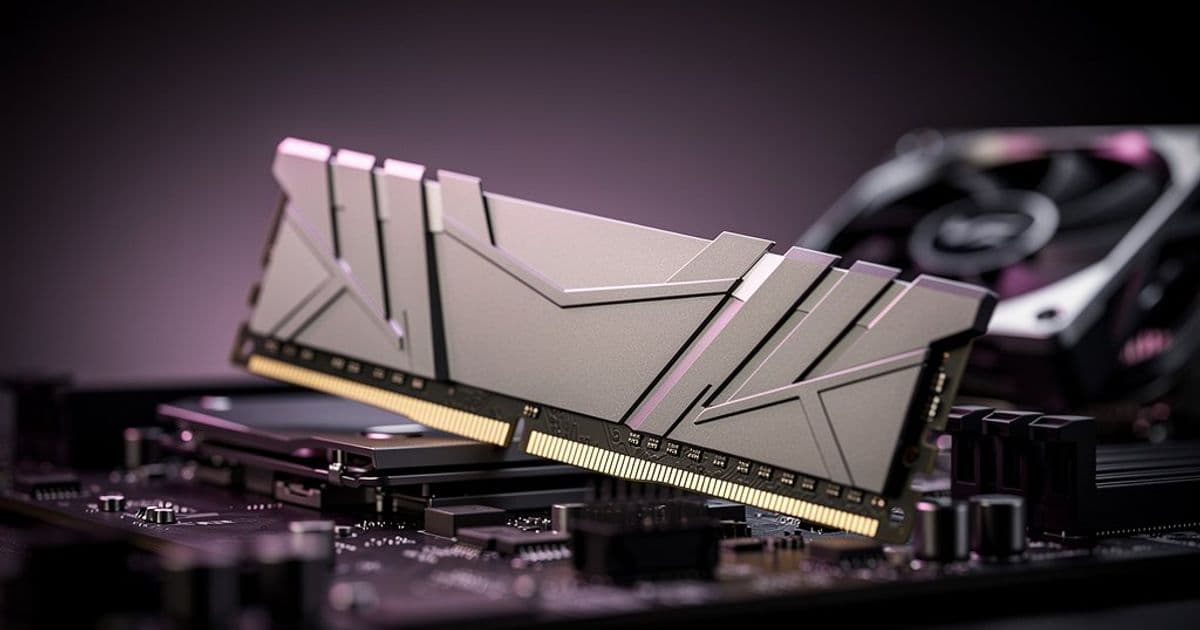
Micron's decision to stop selling consumer-grade memory modules under its own brand represents a major shift in the DRAM landscape, with implications for pricing, availability, and how enthusiasts source components.
Micron's announcement that it will cease direct sales of consumer memory modules under its own brand marks the end of an era for DIY PC builders. The company, one of the three major DRAM manufacturers alongside Samsung and SK Hynix, will pivot entirely to OEM partnerships and its Crucial retail brand. This move consolidates the consumer memory market and changes how enthusiasts will access Micron-made memory going forward.
The Market Reality Behind Micron's Decision
The consumer memory market has become increasingly commoditized, with margins shrinking as competition intensifies. Micron faces a fundamental challenge: as a component manufacturer, it competes directly with its own customers—the system integrators and OEMs who buy its chips to build their own modules. This creates channel conflict where Micron's own brand modules undercut partners using the same silicon.
By exiting the direct-to-consumer module market, Micron eliminates this conflict. The company can focus on high-volume OEM contracts and let its Crucial brand handle retail through established distribution channels. This mirrors Samsung's approach, where the semiconductor division supplies chips while the brand sells finished modules.
For consumers, this means fewer choices at the component level but potentially better pricing through economies of scale. When Micron stops competing with its partners, those partners can more freely choose Micron silicon without worrying about competing against Micron-branded products.
What Changes for DIY Builders
The immediate impact is brand consolidation. You'll no longer see Micron-branded memory kits at retailers like Newegg or Amazon. Instead, you'll find:
- Crucial memory (Micron's retail brand) using Micron chips
- Third-party modules from G.Skill, Corsair, Kingston, etc., potentially using Micron silicon
- OEM pulls from system builders (though these carry warranty risks)
This actually simplifies the market. Crucial becomes Micron's sole consumer-facing brand, making it clearer for buyers. The quality of Micron silicon remains available—you're just buying it under different branding.
The Technical Implications
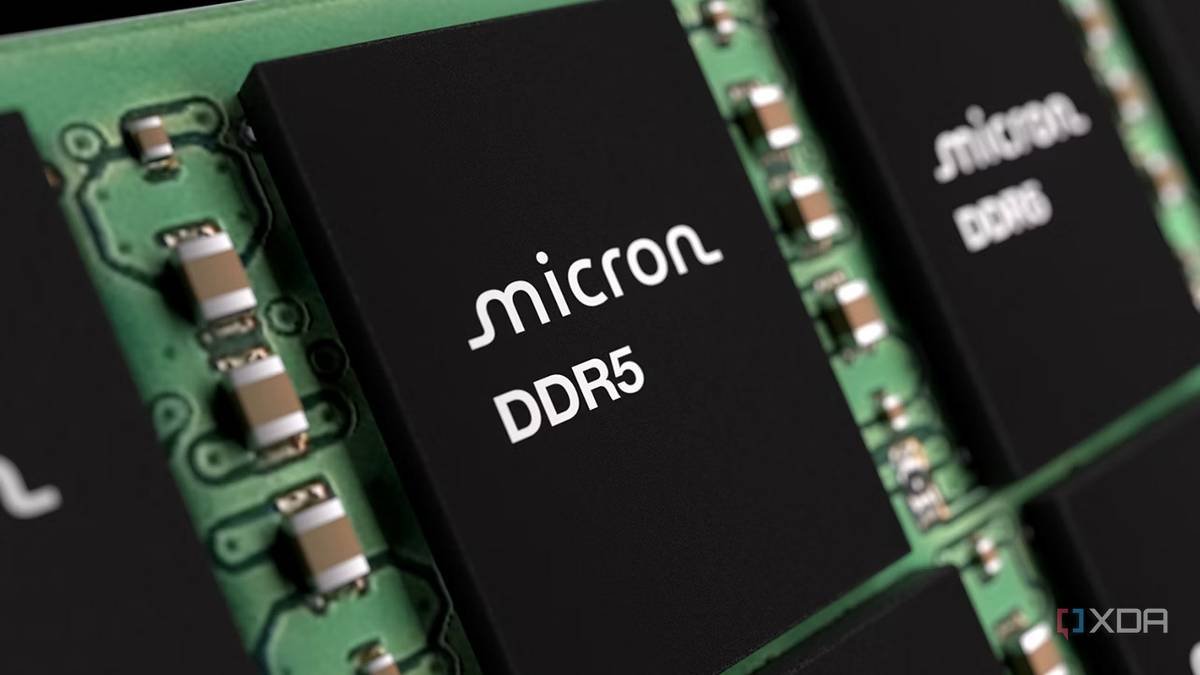
Micron's chips power a significant portion of the memory market. The company produces several memory tiers:
- Micron E-die: Known for excellent overclocking potential and tight timings
- Micron Rev. B: Popular in budget-oriented kits
- Various OEM bins: Used by system builders and third-party manufacturers
When you buy a G.Skill Trident Z kit or Corsair Vengeance LPX, there's a good chance it uses Micron, Samsung, or SK Hynix chips. The manufacturer doesn't always disclose which, but the silicon lottery continues regardless.
The key difference is that Micron's exit from direct sales doesn't affect chip production. The company continues manufacturing DRAM at its fabs. The chips that would have gone into Micron-branded modules will now flow to partners.
Pricing and Availability Analysis
Short-term pricing effects will likely be minimal. Micron's consumer module sales represented a small fraction of their total memory business. The real impact emerges over time:
Potential Benefits:
- Reduced channel conflict may lead to more stable pricing
- OEMs can negotiate better deals without Micron undercutting them
- Crucial can focus marketing and R&D on a single brand
Potential Drawbacks:
- Less competition at the module level could reduce price pressure
- Fewer brands means less incentive for aggressive discounting
- Market consolidation reduces consumer choice
The memory market already operates on razor-thin margins. Micron's move acknowledges that component manufacturers shouldn't compete with their customers—a lesson Intel learned when it spun off its motherboard business.
Cross-Platform Considerations
For mobile developers and system builders, this change affects how you spec devices:
Laptop manufacturers will continue sourcing Micron chips directly. Your next ultrabook likely contains Micron DRAM, just without the consumer branding.
Desktop OEMs like Dell, HP, and Lenovo benefit from clearer supplier relationships. They can commit to Micron silicon without worrying about retail competition.
Server builders see no change. Micron's enterprise memory business operates separately.
For developers optimizing for specific memory configurations, the underlying silicon remains the same. Performance characteristics of Micron chips don't change—you're just buying them through different channels.
The Broader Industry Pattern
Micron's decision reflects a broader trend of component manufacturers focusing on core competencies. We've seen similar moves:
- AMD spinning off GlobalFoundries
- Intel divesting its modem business
- Qualcomm exiting server chips (then re-entering)
The pattern is clear: vertical integration works until it creates channel conflict, then companies refocus.

What Should Consumers Do?
If you're buying memory now: Nothing changes. Buy whatever kit offers the best price-to-performance ratio. Micron-branded modules are already rare.
If you're planning a future build: Watch for Crucial product launches. The company will likely expand its Crucial lineup to fill the gap left by Micron's exit.
If you're an enthusiast: The silicon lottery continues. Whether you buy G.Skill, Corsair, or Crucial, you're still getting chips from one of the big three manufacturers. Overclocking potential depends on the specific chip revision, not the module brand.
The Bottom Line
Micron's exit from direct consumer sales won't dramatically change your next PC build. The same silicon will power your memory modules, just under different branding. The move makes business sense for Micron and could lead to more stable pricing through reduced channel conflict.
For consumers, the key takeaway is that competition in the memory market now happens at the chip level, not the module level. Samsung, SK Hynix, and Micron compete to supply the silicon, while brands like G.Skill, Corsair, Kingston, and Crucial compete on module design, cooling, and warranty.
The DIY memory industry isn't dying—it's consolidating around a model that separates component manufacturing from module assembly. Your next RAM kit will still use Micron chips; you'll just buy it under a different name.
Comments
Please log in or register to join the discussion