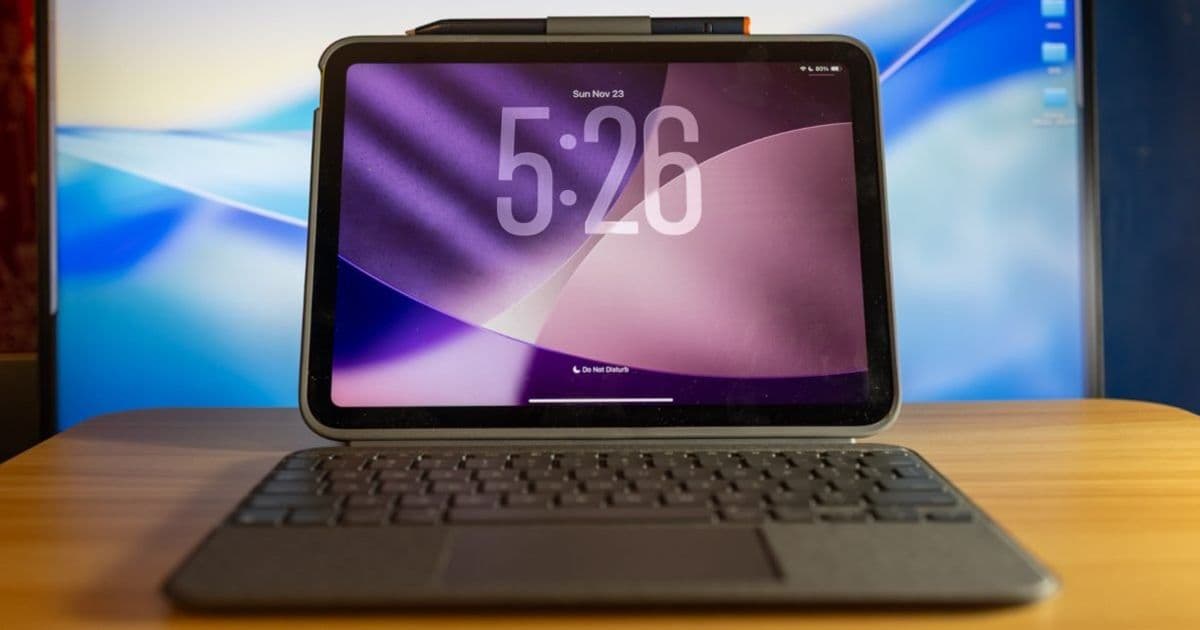
Apple is set to unveil two new iPad models next week: a base iPad with A18 chip and M4 iPad Air, bringing Apple Intelligence support and performance improvements to the lineup.
Apple is gearing up to launch two new iPad models next week, marking the first major refresh of its tablet lineup in 2026. The announcements, confirmed by Tim Cook, will kick off Monday morning and include both a base iPad with the A18 chip and an M4 iPad Air. These updates represent significant steps forward for Apple's tablet strategy, particularly in bringing Apple Intelligence capabilities to more affordable devices.
Base iPad Gets A18 Chip and Apple Intelligence
The most notable change coming to the base iPad is the transition from the A16 to the A18 chip. This upgrade is significant because the base iPad is currently the only device in Apple's iPhone, iPad, and Mac lineup that doesn't support Apple Intelligence. With the A18 chip, that limitation disappears.
This change means the new base iPad will support all existing AI features in iPadOS 26, including enhanced photo editing, writing tools, and notification summaries. More importantly, it positions the device to take advantage of upcoming features like Siri's long-awaited improvements, which are expected to bring more natural conversations and better contextual understanding to Apple's voice assistant.
The A18 chip also brings 8GB of RAM to the base iPad, up from the 6GB found in the current A16 model. This additional memory will help with multitasking and running more demanding apps, though it still falls short of the 16GB or 32GB configurations available in higher-end iPad models.
Another potential upgrade is the inclusion of Apple's N1 wireless chip, first introduced with the iPhone 17. This chip enables Wi-Fi 7 and Bluetooth 6 support, along with Thread networking capabilities. According to Apple, the N1 also "improves the overall performance and reliability of features like Personal Hotspot and AirDrop," which could mean faster file transfers and more stable connections.
In terms of design, the base iPad is expected to maintain its familiar form factor. However, there's speculation about new color options being introduced, which could give buyers more personalization choices.
M4 iPad Air Brings Desktop-Class Performance
For users seeking more power, the new iPad Air will feature Apple's M4 chip, representing a significant upgrade from the M3 chip introduced in the previous model last March. While the physical design and core features are expected to remain largely unchanged, the M4 brings substantial performance improvements.
The M4 chip will enable the iPad Air to better handle iPadOS 26's demands, particularly when running AI-powered features and professional applications. This makes the iPad Air an even more compelling option for creative professionals who use apps like Apple's Creator Studio or other pro-grade software available on the platform.
Like the base iPad, the iPad Air is also expected to receive the N1 wireless chip upgrade. Cellular models might see a switch to the C1X modem, potentially offering better connectivity and battery efficiency. The device will continue to be available in 11-inch and 13-inch variants, both featuring Touch ID integration.
What About Other iPad Models?
If neither the base iPad nor the iPad Air meets your needs, you'll need to wait a bit longer for other options. The iPad mini is reportedly scheduled for an update later this year, with rumors suggesting it could be the first iPad to feature an OLED display. This would bring better contrast, deeper blacks, and more vibrant colors to Apple's smallest tablet.
As for the iPad Pro, which currently sits at the top of Apple's tablet lineup, a new model isn't expected until 2027. This suggests Apple is focusing its 2026 updates on making its mid-range and entry-level tablets more competitive rather than pushing the Pro line forward.
Should You Upgrade?
The decision to upgrade depends largely on your current device and needs. If you're using an older iPad without Apple Intelligence support, either of these new models would be a significant step forward. The base iPad with A18 offers a more affordable entry point to Apple's latest AI features, while the iPad Air with M4 provides desktop-class performance for more demanding users.
For those with recent models, the upgrades might be less compelling unless you specifically need the new AI capabilities or wireless improvements. The base iPad's jump to 8GB of RAM is notable, but existing iPad Air and iPad Pro users already have access to more memory.
Apple's strategy appears focused on democratizing access to its latest technologies while maintaining clear differentiation across its product lines. By bringing Apple Intelligence to the base iPad and enhancing the iPad Air with M4, Apple is ensuring that users at multiple price points can benefit from its latest advancements.
The timing of these releases also suggests Apple is preparing for a busy product year, with the mini and potentially other devices on the horizon. For now, next week's announcements will give us the clearest picture yet of where Apple sees the iPad heading in the age of AI.
Comments
Please log in or register to join the discussion