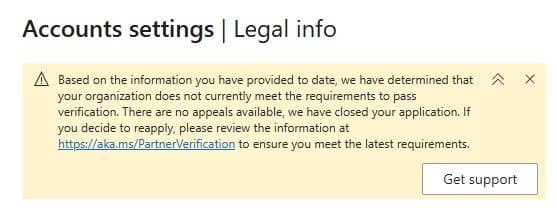
VeraCrypt's lead developer says Microsoft terminated his account used to sign Windows drivers without warning or explanation, preventing new Windows releases of the encryption software.
The future of VeraCrypt, one of the most widely-used open-source disk encryption tools, hangs in the balance after Microsoft terminated the developer account used to sign Windows drivers and bootloaders. Mounir IDRASSI, the project's lead developer, revealed the situation in a forum post that has sent shockwaves through the security community.
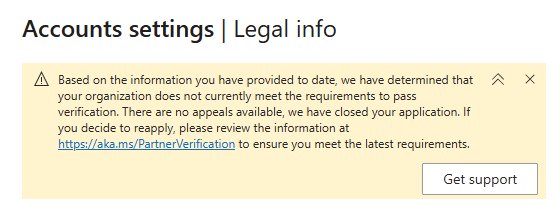
The termination appears to have been executed without warning. IDRASSI notes that Microsoft provided no prior emails or notifications before blocking access to the account he had used for years. When he attempted to sign in, he was met with a termination message that offered no explanation and explicitly stated that no appeal was possible.
"I have tried to contact Microsoft through various channels but I have only received automated replies and bots," IDRASSI wrote. "I was unable to reach a human."
The impact extends far beyond VeraCrypt. IDRASSI explains that this account termination affects his professional work beyond the encryption project, creating consequences for his daily job. For VeraCrypt specifically, the situation creates an immediate and severe problem: without access to the signing account, IDRASSI cannot publish Windows updates.
While Linux and macOS updates remain possible since they don't require Microsoft's digital signature, Windows represents the majority of VeraCrypt's user base. The inability to deliver signed Windows releases effectively halts the project's momentum and leaves existing users without security updates.
This situation highlights a critical vulnerability in the software ecosystem: the dependence on corporate gatekeepers for essential development workflows. VeraCrypt, like many security tools, requires code signing certificates to ensure Windows users can install and run the software without security warnings. Without Microsoft's cooperation, even open-source projects with strong community support can find themselves unable to serve their primary audience.
The termination raises serious questions about due process and transparency in platform governance. IDRASSI received no explanation for the account termination, no opportunity to appeal, and no human contact despite multiple attempts to resolve the situation through official channels. For a project that handles sensitive encryption tools used by individuals and organizations worldwide, this lack of accountability is particularly concerning.
IDRASSI has appealed for proposals and help from the community, acknowledging that he's "currently out of options." The situation puts pressure on both the open-source community and Microsoft to find a resolution. For VeraCrypt users, the immediate concern is security—without updates, any vulnerabilities discovered in the future will remain unpatched for Windows users.
The incident serves as a wake-up call for the security software community about the risks of centralized control over essential development infrastructure. As encryption tools become increasingly important for privacy and security, the ability of a single corporation to unilaterally block their distribution without explanation or appeal represents a significant threat to digital security infrastructure.
For now, VeraCrypt continues to function for existing users, but its future development and ability to address security issues on Windows platforms remains uncertain. The security community will be watching closely to see whether Microsoft responds to the situation or whether alternative solutions emerge to keep this critical encryption tool viable.
Comments
Please log in or register to join the discussion