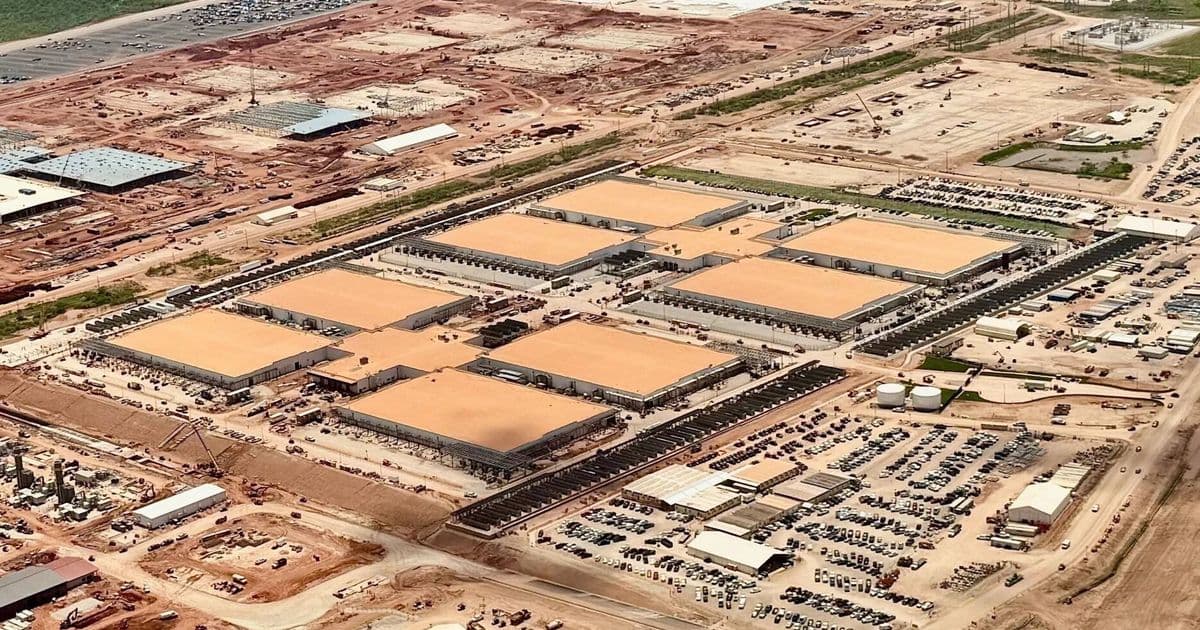
Microsoft secures 900 MW datacenter campus from Crusoe in Abilene, Texas, joining OpenAI and Oracle at massive AI infrastructure site featuring on-site power generation.
Microsoft has secured a major foothold in Texas's AI infrastructure landscape, claiming a 900 MW datacenter campus from Crusoe Energy Systems that will be built adjacent to facilities currently under construction for OpenAI and Oracle. The move represents a significant expansion of Microsoft's AI computing capabilities as tech giants race to build out the infrastructure needed to support increasingly demanding artificial intelligence workloads.
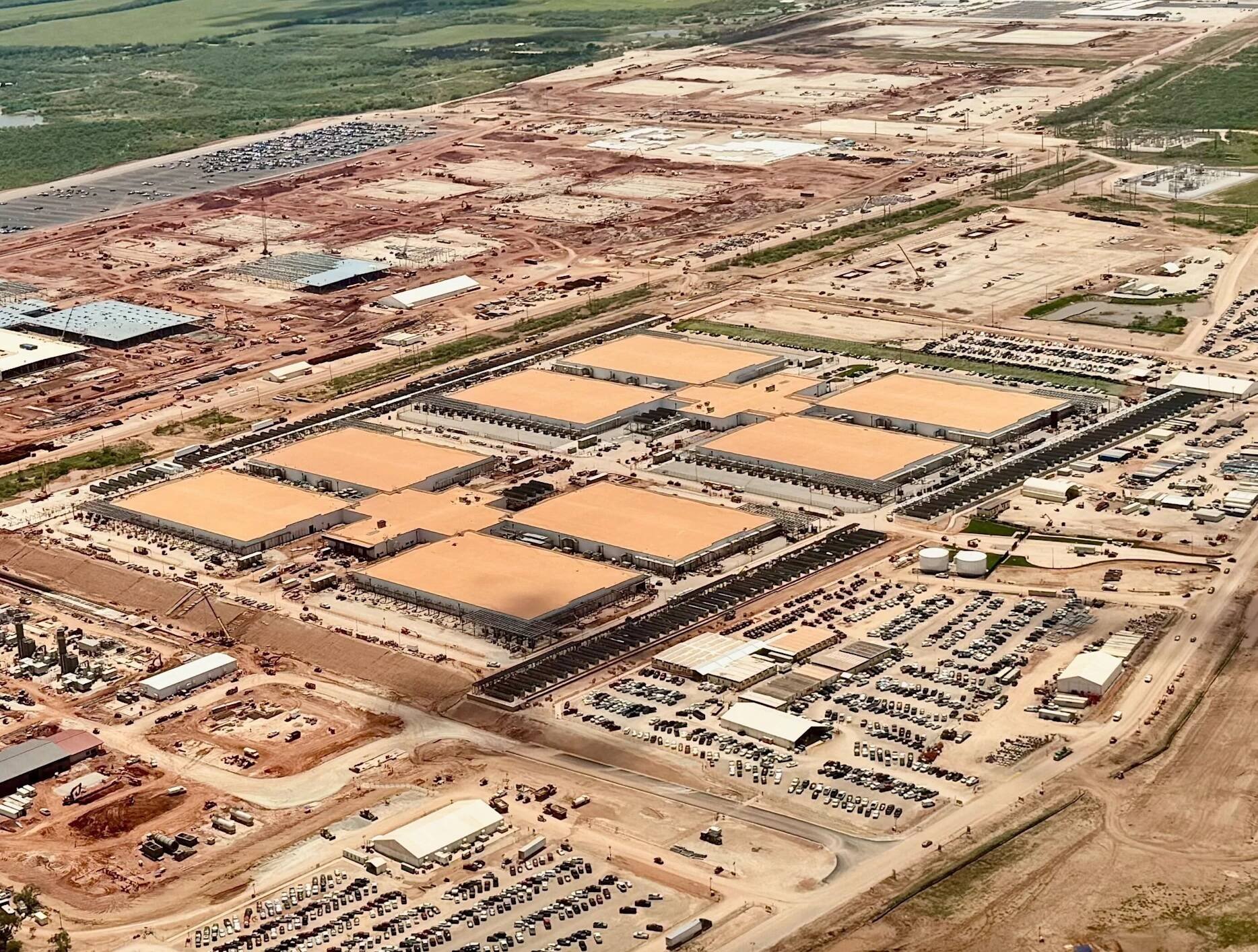
The new campus, located in Abilene, Texas, will feature two data halls capable of supporting 336 megawatts of critical IT load each, along with an on-site power plant designed to deliver 900 MW of behind-the-meter energy directly to the facilities. This integrated power approach is becoming increasingly common among major tech companies as they seek to ensure reliable, high-capacity power delivery for their AI operations.
From Bitcoin Mining to AI Infrastructure
Crusoe Energy Systems has undergone a dramatic transformation from its origins as a Bitcoin mining operation to becoming a major player in the AI datacenter space. The company's pivot reflects the broader industry trend of cryptocurrency miners leveraging their expertise in high-density computing and power management to serve the AI sector's explosive growth.
The Abilene campus expansion will bring Crusoe's total capacity at the site to 2.1 gigawatts, though this figure requires some context. According to the report, only about 200 megawatts of the existing 1.2 gigawatt projects have actually been powered on, with the remaining capacity expected to come online throughout 2026. This staggered deployment timeline is common in large-scale datacenter projects, where infrastructure is built in phases to match demand growth.
The Stargate Connection
The timing and location of Microsoft's new campus are particularly noteworthy given its proximity to the 1.2 gigawatt facility Crusoe is building for Oracle and OpenAI as part of the controversial $500 billion Stargate initiative announced early last year. This massive infrastructure project, which aims to create the computing backbone for next-generation AI development, has faced various challenges including reported difficulties in negotiations and financing.
Originally, Meta was expected to claim the unbuilt expansion capacity, but Microsoft's entry into the space changes the competitive dynamics. The proximity of these major tech companies' facilities could create a unique ecosystem in Abilene, potentially fostering collaboration or competition depending on how the companies choose to utilize the shared infrastructure.
Power Generation Strategy
Crusoe's decision to include on-site power generation represents a significant investment in energy independence and reliability. While the company hasn't specified the exact technology, the timeline suggests natural gas generators or fuel cells are the most likely candidates. This approach offers several advantages:
- Reduced dependence on local grid infrastructure
- More predictable power costs over time
- Enhanced reliability during peak demand periods
- Potential for faster deployment compared to grid connection timelines
The concept of "behind-the-meter" power generation, where energy is produced on-site rather than drawn from the public grid, is gaining traction among major datacenter operators. This strategy can help companies avoid grid congestion, reduce transmission losses, and potentially lower overall energy costs.
Timeline and Construction Status
Construction on Microsoft's new campus is currently in the "land-clearing and site preparation" phase, with Crusoe not anticipating the facilities will be operational until the middle of next year. This timeline aligns with industry patterns for large-scale datacenter construction, which typically requires 12-18 months from groundbreaking to full operational status.
The phased approach to bringing capacity online—with only 200 MW currently active out of the planned 2.1 GW—suggests Crusoe is taking a measured approach to expansion, likely matching construction to customer demand and power availability.
Strategic Implications for Microsoft
Microsoft's move into the Abilene campus represents a significant expansion of its AI infrastructure footprint. While the company's relationship with OpenAI has evolved in recent years, the possibility remains that Microsoft could use this facility to support OpenAI's model development, given their continued partnership and Microsoft's position as OpenAI's exclusive cloud provider.
The investment also positions Microsoft to compete more effectively in the AI infrastructure race, where compute capacity has become a critical competitive advantage. As AI models grow increasingly complex and require more computational resources for training and inference, having access to large-scale, purpose-built infrastructure becomes essential.
Industry Context and Competition
The Abilene expansion comes amid intense competition among tech giants to secure datacenter capacity for AI workloads. Recent developments in the sector include:
- Senators pushing for greater transparency around datacenter power consumption
- Microsoft and Nvidia claiming AI can accelerate approval processes for new atomic power plants
- Arm rolling out its own 136-core AGI CPU to chase AI computing opportunities
These parallel developments highlight the interconnected nature of AI infrastructure development, where advances in computing hardware, power generation, and facility design all contribute to the industry's growth trajectory.
Environmental and Regulatory Considerations
The scale of these datacenter expansions raises important questions about energy consumption and environmental impact. The concentration of massive power-hungry facilities in a single region like Abilene could strain local resources and infrastructure. Additionally, the use of natural gas generation, while providing reliability, contributes to carbon emissions.
Regulatory scrutiny of datacenter power consumption is likely to increase as these facilities become more prominent consumers of electricity. The push for transparency around power usage, mentioned in the article, reflects growing concern about the sustainability of current AI infrastructure growth patterns.
Looking Ahead
As Microsoft, OpenAI, Oracle, and potentially other tech giants establish major presences in Abilene, the area is poised to become a significant hub for AI infrastructure development. The success of these facilities could influence future datacenter siting decisions, potentially leading to more regions competing to host similar mega-facilities.
The integration of on-site power generation with datacenter operations may also set a precedent for future projects, particularly as companies seek to mitigate risks associated with grid instability and power cost volatility.
For now, the Abilene campus represents the latest front in the AI infrastructure arms race, with Microsoft's entry signaling continued aggressive investment in the physical foundations needed to support the next generation of artificial intelligence applications and services.
Comments
Please log in or register to join the discussion