
Microsoft's new Maia 200 AI accelerator offers enterprises a path to comply with tightening global energy regulations while reducing inference costs by 30%, with deployment timelines beginning in Q2 2026.

Regulatory Context: The Energy Efficiency Imperative
The European Union's Energy Efficiency Directive (2023/1791) now requires data centers to publicly report PUE (Power Usage Effectiveness) metrics, while the U.S. SEC's Climate Disclosure Rule mandates emissions reporting for public companies. These regulations create urgent operational compliance requirements for AI infrastructure deployments.
What Maia 200 Requires: Infrastructure Compliance Adjustments
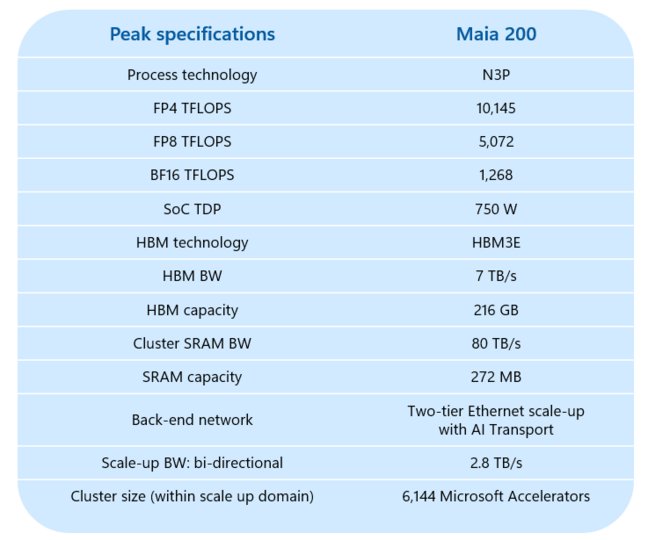
Microsoft's Maia 200 accelerator (built on TSMC's N3 process) demands specific operational considerations:
- Cooling Compliance: At 750W TDP, the chips support both air-cooled (ASHRAE Class A3) and liquid-cooled deployments, avoiding the need for specialized cooling retrofits required by 1200W+ competitors.
- Precision Alignment: With native FP4/FP6/FP8 support (but no BF16), models must be quantized to meet ISO/IEC 23004-12 inference efficiency standards. Microsoft provides Triton/PyTorch kernels via its SDK Preview to facilitate compliance-ready model conversion.
- Memory Configuration: 216GB HBM3e (7TB/s bandwidth) meets GDPR Article 32 requirements for in-memory data processing by enabling full model loading without external storage.
Compliance Timeline and Deployment Considerations
| Phase | Deadline | Action Items |
|---|---|---|
| Evaluation | Q2 2026 | Audit current inference workloads against Maia's FP4/FP6 capabilities |
| Procurement | Q3 2026 | Submit requests via Azure Maia Access Portal |
| Deployment | Q4 2026 | Validate against regional regulations (e.g., Iowa data center laws) |
| Reporting | Q1 2027 | Document energy savings for CSRD/SEC disclosures |
Cost Compliance Advantages
Microsoft's claimed 30% cost reduction versus competing accelerators directly impacts two compliance areas:
- SOX Operational Efficiency Controls: Reduced inference costs must be documented in financial controls (ASC 350-40)
- EU Taxonomy Alignment: Lower power consumption (750W vs 1200W+) contributes to sustainable finance reporting requirements
Implementation Recommendations
- Conduct a gap analysis using Microsoft's Maia Migration Guide
- Update carbon accounting models using the GHG Protocol Scope 3 Standard
- Validate quantization tools against ISO/IEC 15938-13 for multimedia AI systems
Early adopters in Microsoft's Central (Iowa) and West 3 (Phoenix) regions should coordinate with legal teams to address state-specific data center regulations, particularly water usage documentation for liquid-cooled deployments under Arizona's Groundwater Management Act.
Comments
Please log in or register to join the discussion