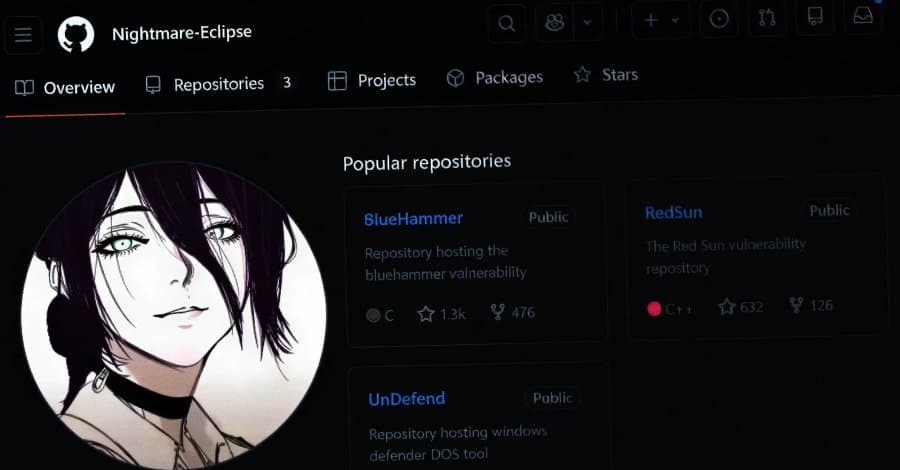
Microsoft rebukes recent public zero‑day disclosures that exposed Windows Defender, BitLocker and other components, urging researchers to follow coordinated vulnerability disclosure. The fallout saw GitHub suspend the researcher’s account, prompting a heated exchange and highlighting the need for clear communication channels and responsible handling of exploit code.
Microsoft Pushes Coordinated Disclosure After Public Zero‑Day Leak and GitHub Account Ban
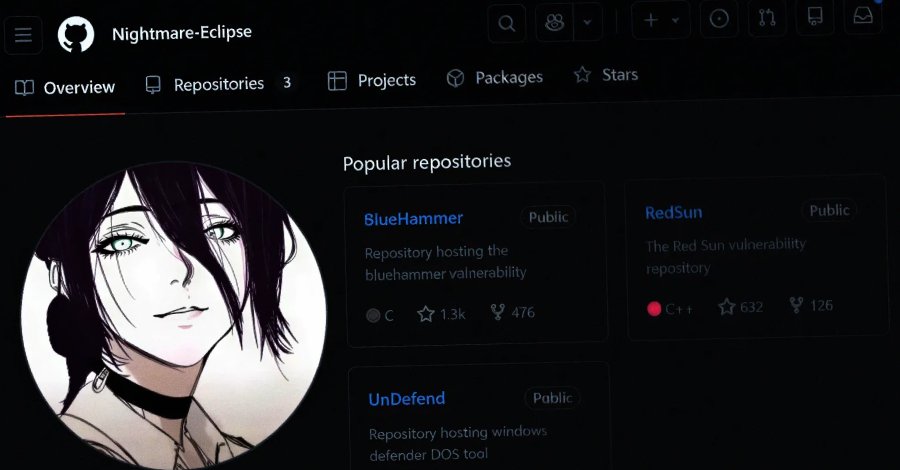
In the past month, a series of high‑impact zero‑day vulnerabilities affecting core Windows components—Defender, BitLocker, and the kernel—were published without prior notice to Microsoft. The researcher, known as Chaotic Eclipse (also “Nightmare‑Eclipse”), released proof‑of‑concept code for six flaws, three of which (BlueHammer, RedSun, UnDefend) were already being weaponized in the wild.
Why the public dump matters
Microsoft’s security team responded quickly, issuing emergency patches and issuing a public statement that emphasized the danger of “uncoordinated disclosures.” As the company put it, “When exploit code lands in the open before a vendor can respond, it gives threat actors a shortcut to compromise millions of systems.”
The statement echoed a broader industry consensus: coordinated vulnerability disclosure (CVD) reduces the window of exposure by giving vendors time to develop and distribute mitigations before attackers can exploit the same details.
Dr. Lena Ortiz, Principal Analyst at the Center for Internet Security – “The real problem isn’t the researcher’s intent; it’s the breakdown in communication. When a vendor is blindsided, the defensive posture of every customer collapses overnight.”
The fallout on GitHub and GitLab
Shortly after the disclosures, GitHub removed Chaotic Eclipse’s account, citing violations of its Terms of Service for publishing exploit code. The researcher quickly opened a new account on GitLab, only to have it blocked as well. The back‑and‑forth has turned into a public feud, with the researcher threatening further releases on July 14, 2026.
While the platform actions are within policy, the episode underscores a gap in the researcher‑to‑vendor communication pipeline. The researcher claimed they attempted to reach Microsoft through a dedicated bug‑bounty channel but received no reply, prompting the public dump.
Practical takeaways for security teams
- Maintain a visible, responsive reporting channel – Provide a dedicated email address, a bug‑bounty portal (e.g., Microsoft Bug Bounty), and a clear SLA for acknowledgment. Publicly publish response metrics so researchers know what to expect.
- Implement a “triage‑first” workflow – When a report arrives, assign a rapid‑response team that can acknowledge receipt within 24 hours and give a high‑level risk assessment. Even a brief “we’re looking into it” can keep a researcher from feeling ignored.
- Use “responsible disclosure windows” – Agree on a mutually acceptable timeline (often 30‑90 days) before public disclosure, with the option to extend if mitigation is complex.
- Provide safe‑harbor for exploit code – Offer a private, encrypted drop‑box (e.g., via a PGP‑encrypted email) where researchers can submit PoC without fear of immediate public exposure.
- Coordinate with platform partners – Work with GitHub, GitLab, and other code‑hosting services to establish a joint “researcher‑account protection” program that avoids blanket bans while still preventing malicious reuse of exploit code.
What organizations can do right now
- Audit your current disclosure policies – Compare them against the latest Microsoft Vulnerability Disclosure Guidelines. Identify any gaps in response time or communication clarity.
- Run tabletop exercises – Simulate a zero‑day leak scenario with your incident‑response team. Practice rapid patch development, public‑facing advisories, and coordination with external researchers.
- Educate developers – Ensure that engineers understand the impact of a public exploit. Simple steps like disabling vulnerable features via Group Policy can buy time while patches are rolled out.
The broader industry signal
The episode is a reminder that the security ecosystem thrives on trust. When that trust erodes, the consequences ripple across vendors, platforms, and end users. As Dr. Ortiz notes, “A healthy disclosure process is a two‑way street—researchers need clear avenues, and vendors must honor them.”
Microsoft’s renewed push for coordinated disclosure, combined with clearer communication channels, could help prevent similar flashpoints. For now, the community watches closely for the promised July 14 release and hopes the dialogue can shift from confrontation to collaboration.
For more on coordinated vulnerability disclosure best practices, see the Open Source Security Foundation’s guide and the CVE‑2026‑45585 advisory.
Comments
Please log in or register to join the discussion