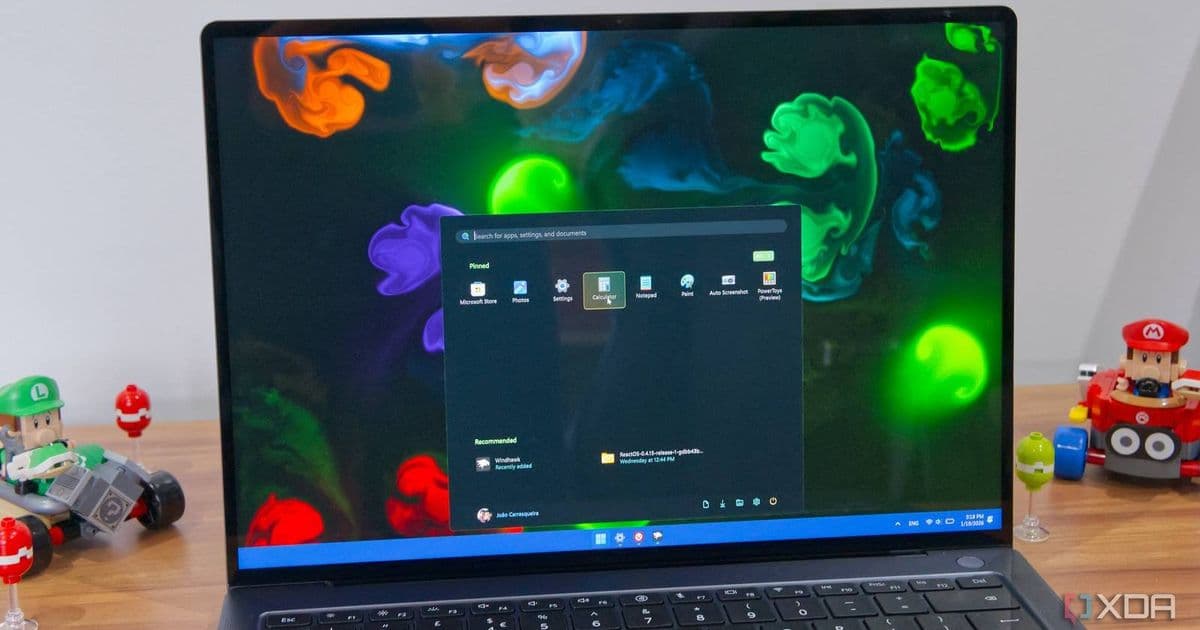
Windows 11's auto-sorting Start menu categories are causing headaches for users who can't edit app placements, prompting Microsoft to seek feedback on improving the system.
Windows 11's automatic Start menu sorting feature has become a source of frustration for many users, who find themselves unable to organize their apps as they prefer. The operating system automatically categorizes installed applications into preset groups like Productivity, Creativity, and Games, but many users report that apps often end up in the vague "Other" category or are placed in incorrect categories.
The core issue stems from Microsoft's decision to lock down the Start menu organization. Unlike previous Windows versions where users could manually drag and drop apps between folders or categories, Windows 11's auto-sorting system doesn't allow any manual reorganization. Once an app is placed in a category—whether correct or not—it stays there permanently.
Users have been vocal about their frustrations on Microsoft's Feedback Hub, describing various problems with the automatic classification system. Some report that productivity applications end up in the "Other" category, while games might be misclassified as productivity tools. The lack of control over app organization has led many to seek alternative solutions.
In response to the growing criticism, Microsoft has acknowledged the concerns and is actively seeking user feedback. The company has asked users to report specific examples of apps that are incorrectly categorized, hoping to improve the algorithm that determines app classifications. This move suggests Microsoft recognizes the current system's limitations and is working toward potential improvements.
However, the fundamental issue remains: even if Microsoft improves the sorting algorithm, users still won't have the ability to manually organize their Start menus. This limitation has led some users to consider third-party Start menu applications as alternatives to Windows 11's built-in system.
The automatic sorting feature represents Microsoft's attempt to create a more streamlined and organized user experience, but it appears to have backfired for many users who value customization and control over their computing environment. The situation highlights the ongoing tension between simplified user experiences and the desire for personalization that many Windows users have come to expect.
For now, affected users must either adapt to the automatic sorting system, provide feedback to Microsoft in hopes of future improvements, or explore third-party alternatives that offer more flexible Start menu organization. The outcome of Microsoft's feedback collection could determine whether future Windows 11 updates will address these concerns or if users will continue to seek workarounds for Start menu customization.
Comments
Please log in or register to join the discussion