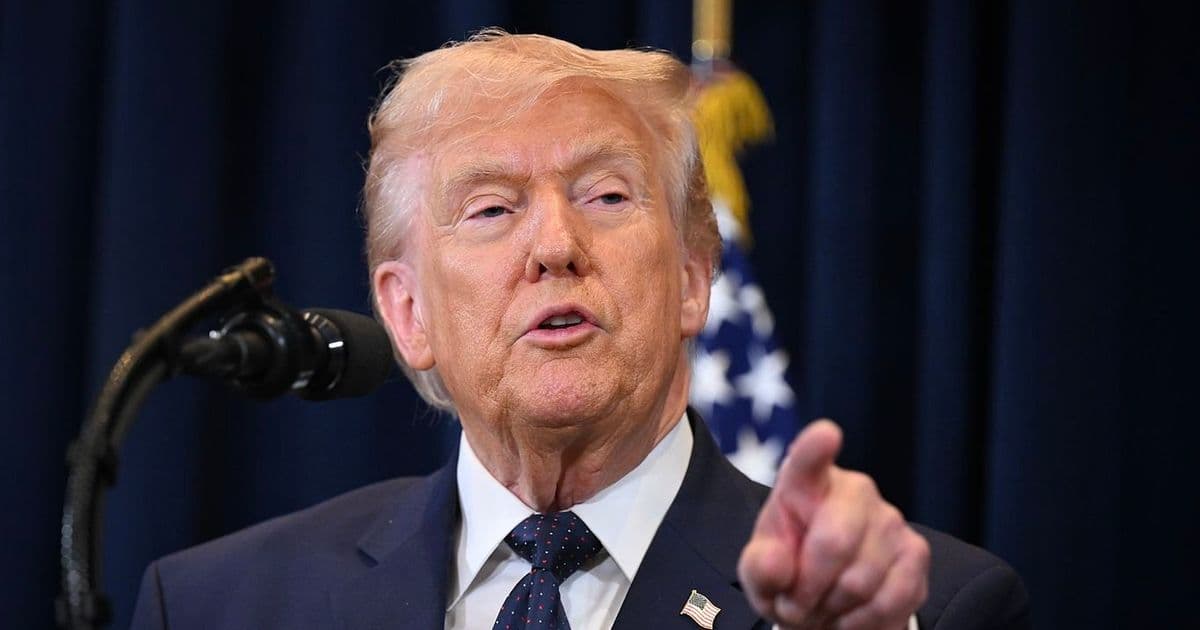
President Trump announces international naval coalition to secure strategic waterway amid escalating tensions with Iran
President Trump claimed Monday that an international coalition will deploy warships to the Strait of Hormuz to ensure the strategic waterway remains open for commercial shipping. The announcement comes amid escalating tensions with Iran following recent U.S. military strikes.
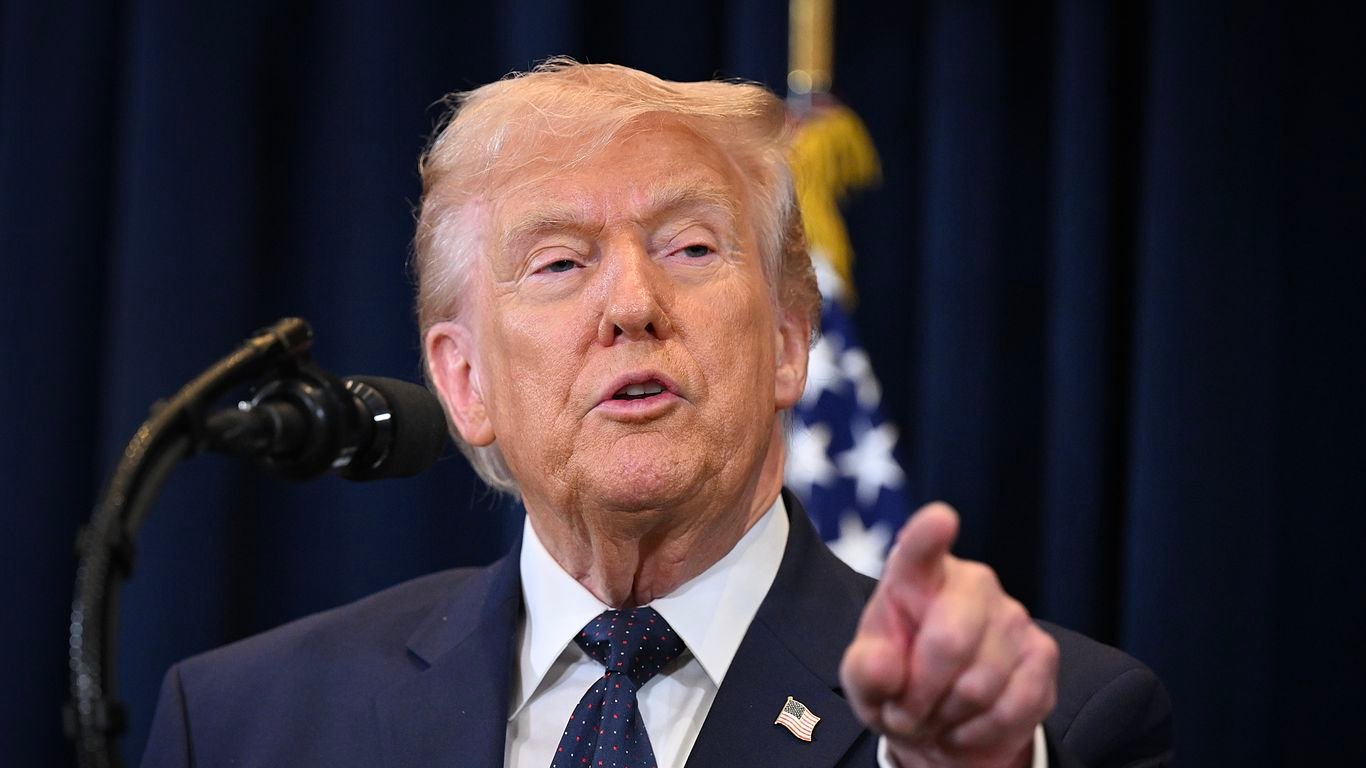
During a news conference at Trump National Doral Miami, the president stated that multiple nations have agreed to contribute naval assets to secure the strait, through which approximately 20% of global oil supplies pass daily. The Strait of Hormuz, a narrow passage between Iran and Oman, represents a critical chokepoint for global energy markets.
Market Impact and Strategic Significance
The potential deployment carries significant economic implications. When Iran previously threatened to close the strait in 2019, oil prices spiked over 4% in a single day. Current Brent crude futures have already risen 3.2% this week on concerns about regional stability.
Maritime security experts note that previous international naval missions in the region, such as Operation Sentinel launched in 2019, involved contributions from the UK, Australia, Bahrain, Saudi Arabia, and the UAE. The exact composition of Trump's claimed coalition remains unclear, with no formal announcements from other nations as of publication.
Technical and Operational Considerations
Naval analysts point out that securing the strait requires sophisticated coordination between multiple naval forces. The waterway's narrow width of approximately 21 nautical miles at its narrowest point means that even a small number of warships can effectively monitor and protect commercial traffic.
The U.S. Navy's Fifth Fleet, based in Bahrain, typically maintains a presence in the region with aircraft carriers, destroyers, and littoral combat ships. A coalition deployment would likely supplement these forces with additional surveillance assets, including P-8 Poseidon aircraft and unmanned aerial vehicles for persistent monitoring.
Regional Response and Diplomatic Implications
Iran's Revolutionary Guard Corps has previously threatened to close the strait in response to military pressure, though executing such a closure would require mining operations and anti-ship missile deployments that would likely trigger immediate military response from coalition forces.
Regional partners in the Gulf Cooperation Council have expressed varying levels of support for increased naval presence. The UAE and Saudi Arabia, both targets of Iranian-backed Houthi missile attacks, have historically favored stronger maritime security measures, while Qatar and Oman have maintained more neutral positions.
Historical Context
This is not the first time international forces have been deployed to secure the strait. During the Tanker War of the 1980s, U.S. Navy operations protected Kuwaiti-flagged vessels from Iranian attacks. More recently, tensions in 2019 led to the deployment of additional U.S. forces and the creation of the International Maritime Security Construct.
The current situation differs in that it follows direct U.S. military action against Iranian targets, raising the stakes for potential Iranian retaliation through asymmetric warfare, including attacks on commercial shipping using naval mines or fast attack craft.
Economic Dependencies
Approximately 21 million barrels of crude oil and liquefied natural gas pass through the strait daily. Major economies including China, Japan, India, and South Korea depend heavily on this supply route. Any disruption could force these nations to seek alternative supply routes or tap strategic reserves.
Maritime insurance rates for vessels transiting the strait have historically increased during periods of heightened tension, adding operational costs for shipping companies. The current premium environment remains to be seen but could impact global energy prices if coalition deployment details remain uncertain.
Next Steps
The White House has not yet provided specific timelines for coalition deployment or detailed the operational parameters of the mission. Defense officials indicate that formal agreements with partner nations are still being negotiated, suggesting that the announcement may represent aspirational goals rather than immediate operational reality.

The international community awaits clarification on which nations will participate and what specific capabilities they will contribute to the proposed maritime security operation.
Comments
Please log in or register to join the discussion