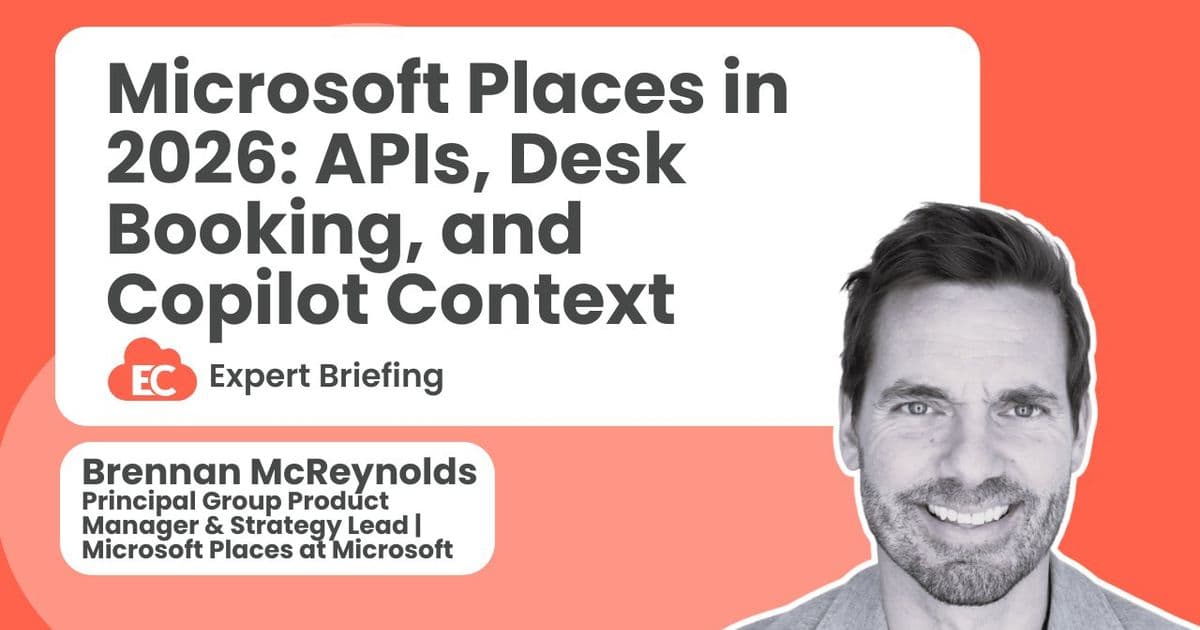
Microsoft's latest community update reveals significant enhancements to Places APIs, Teams licensing, and AI communication tools, positioning enterprises for advanced hybrid work orchestration.
Microsoft's February 2026 community update signals strategic pivots across its collaboration ecosystem that warrant enterprise attention. These aren't incremental tweaks but foundational shifts affecting workplace planning, communication architecture, and licensing economics.
Workplace Intelligence Matures with Places
Microsoft Places now transitions from basic desk booking to an intelligence layer for physical spaces. Brennan McReynolds confirms deeper Graph API integrations enabling:
- Spatial data exchange for building management systems (API documentation)
- Occupancy signal processing for space utilization analytics
- Visitor management and digital signage extensions
Critically, Places now feeds Copilot's Work IQ for meeting planning. This positions Microsoft against workplace analytics competitors like Envoy and Skedda, but with native Teams/Outlook integration advantages. Enterprises should evaluate Places' API maturity against legacy systems, especially as desk booking becomes secondary to predictive space optimization.
Communication APIs Disrupt Traditional IVR
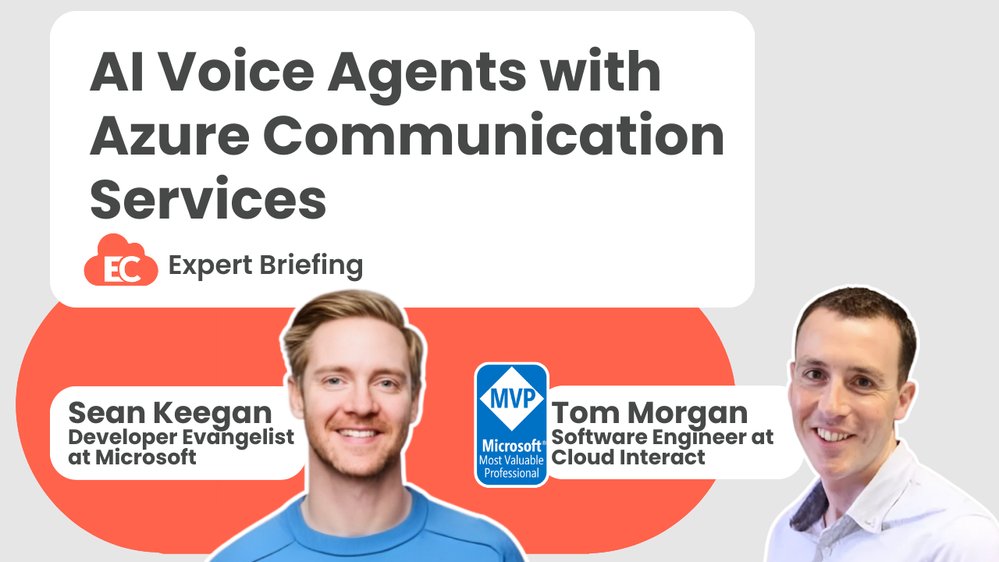 Azure Communication Services now enables enterprise-grade AI voice agents, fundamentally challenging traditional IVR vendors. Sean Keegan and Tom Morgan demonstrate:
- Natural language processing replacing rigid phone menus
- Sentiment-triggered workflow escalations
- Branded calling experiences interoperable with Teams
This evolution targets sectors like healthcare (patient triage) and retail (order tracking). Compared to Twilio's Flex or Amazon Connect, Microsoft's advantage is Teams adjacency - agents can seamlessly transfer calls to human operators within existing Teams workflows. Migration considerations include voice training data requirements and compliance boundaries for healthcare/finance implementations.
Teams Licensing Overhaul
April 2026 brings structural licensing changes:
- New Teams Phone device management requirements
- Retirement of Teams Live Events (migrate to Town hall or Microsoft Events)
- Multiple phone numbers per device for hot-desking
 These changes reflect Microsoft's push toward usage-based consumption. Enterprises using Teams Rooms should audit device compatibility and budget for potential service tier upgrades. The licensing shift particularly impacts organizations with large-scale event broadcasting - migration planning should start immediately given the Live Events retirement timeline.
AI Hardware Convergence
Logitech's Rally AI cameras (detailed by Henry Levak) exemplify the intelligent edge trend. Features like automatic speaker tracking and multi-camera compositions integrate with Teams' AI capabilities. This hardware-software synergy contrasts with Cisco's isolated room systems, though interoperability remains limited. For new room deployments, prioritize devices with embedded AI processors to leverage future Copilot enhancements.
Strategic Implications
- API Ecosystems: Places' Graph APIs now enable custom workplace experiences surpassing out-of-box functionality. Enterprises should explore spatial data integrations for facility management systems.
- Voice Agent Economics: Azure Communication Services' pay-per-minute model disrupts legacy IVR contracts. Conduct cost comparisons factoring in developer resources.
- Licensing Preparedness: The April 2026 changes require immediate inventory audits. Teams Phone customers should verify device compliance via the Teams Admin Center.
Upcoming community events like the Teams Devices AMA and Copilot Fireside Chats provide tactical guidance. Enterprises navigating these shifts should prioritize API exploration for Places and Communications Services while reassigning resources from retiring features like Live Events. Microsoft's consolidation of workplace signals - from desk check-ins to voice interactions - creates unprecedented orchestration capabilities, but demands strategic integration planning beyond single-solution deployments.
Comments
Please log in or register to join the discussion