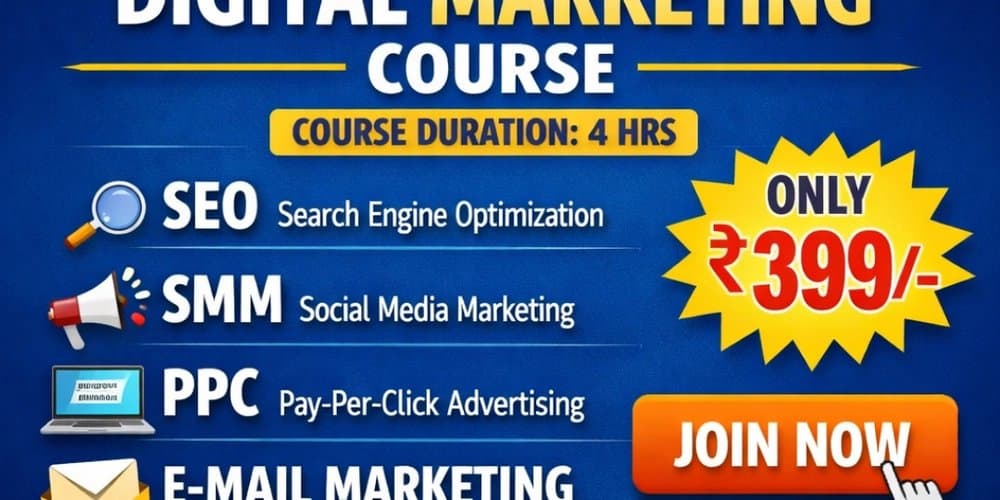
Most online digital marketing courses promise career transformation but fail to teach the practical skills needed in today's complex digital landscape. Here's what actually works.
The digital marketing education industry has exploded in recent years, with countless courses promising to transform beginners into in-demand professionals. Yet despite the proliferation of online digital marketing courses covering SEO, social media marketing, Google Ads, content marketing, and email marketing, many students find themselves unable to translate course knowledge into real-world results.
The Reality Gap in Digital Marketing Education
The fundamental problem with most online digital marketing courses isn't the quality of instruction—it's the disconnect between theoretical knowledge and practical application. When you learn SEO online or take a social media marketing course, you're often taught frameworks and best practices that worked in the past but may not reflect current industry realities.
Consider Google Ads training online. The platforms and algorithms change constantly, yet many courses are built around outdated methodologies. By the time you complete a PPC course online, the strategies you've learned might already be less effective than when you started.
What Actually Builds In-Demand Skills
Real digital marketing expertise comes from hands-on experience with actual campaigns, not from memorizing course content. The best online digital marketing training programs recognize this and incorporate:
- Live project work with real clients or simulated environments
- Current tool access and practical exercises
- Community support for troubleshooting real problems
- Regular content updates to reflect platform changes
- Mentorship from practitioners currently working in the field
The Certification Trap
Many courses emphasize their "digital marketing course with certificate" offering, but employers increasingly view these certifications skeptically. A certificate proves you completed a course, not that you can execute effective marketing campaigns. The focus should be on building a portfolio of actual work rather than collecting credentials.
What to Look For Instead
If you're serious about learning digital marketing, prioritize programs that:
- Focus on fundamentals over tactics - Understanding why strategies work matters more than memorizing steps
- Provide current, hands-on experience - Work with tools and platforms as they exist today
- Emphasize measurement and analytics - Digital marketing success is data-driven
- Build problem-solving skills - The ability to adapt to new challenges is crucial
- Offer networking opportunities - The digital marketing community is essential for growth
The Path Forward
Rather than enrolling in the "best online digital marketing course" based on marketing promises, consider a more strategic approach:
- Start with free resources from reputable sources to understand the landscape
- Choose one specialization (SEO, paid ads, content, etc.) to focus on initially
- Build real projects for yourself or volunteer organizations
- Join digital marketing communities to learn from practitioners
- Stay current with industry changes through blogs, podcasts, and forums
The digital marketing field rewards those who can adapt and execute, not just those who can pass courses. Your career in performance marketing and online branding will be built on results, not certificates.
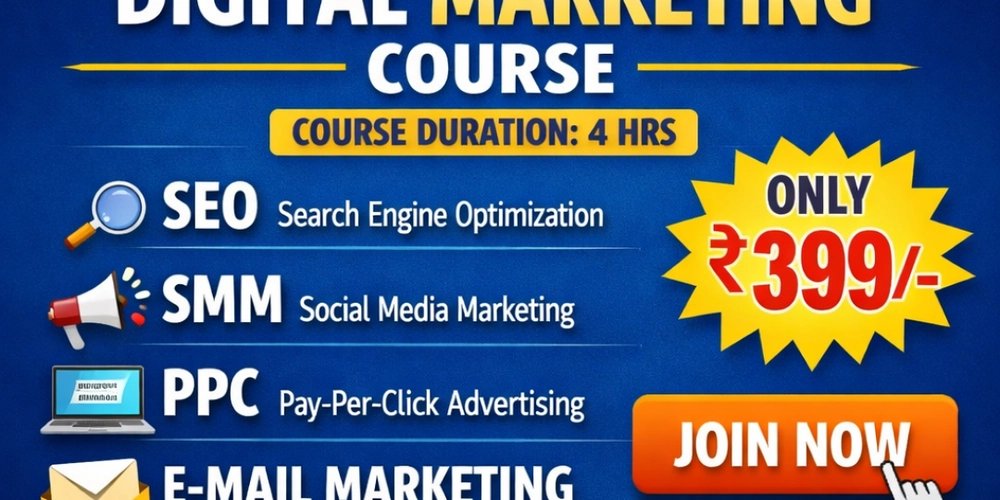
Featured image: The gap between marketing education and real-world application
Comments
Please log in or register to join the discussion