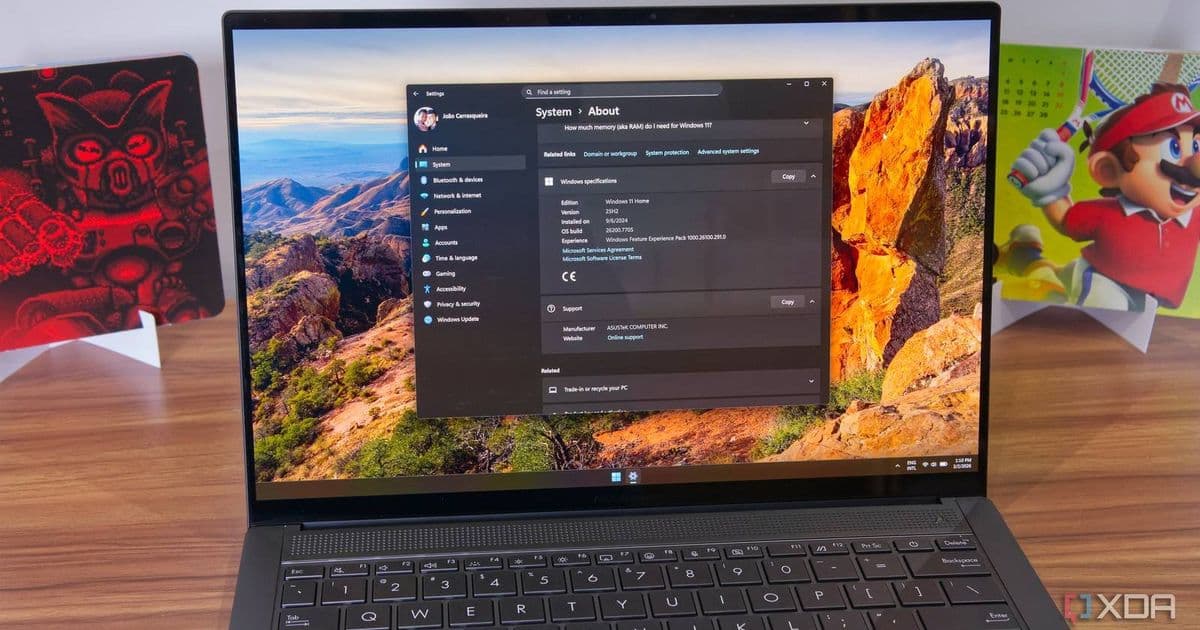
Microsoft is actively recruiting developers to build 100% native Windows applications, signaling a strategic shift away from web-based Progressive Web Apps (PWAs) as the company works to address user dissatisfaction with Windows 11's AI-first approach.
Microsoft is making a strategic pivot in its Windows application development approach, actively recruiting developers to build 100% native Windows apps rather than web-based wrappers or Progressive Web Apps (PWAs). This move signals a potential shift in the company's strategy as it works to address user dissatisfaction with recent Windows 11 changes.
The Native App Recruitment Push
The initiative was revealed through a post on X (formerly Twitter) by Rudy Huyn, Partner Architect at Microsoft, who announced that the company is "building a team" to develop Windows applications. Notably, Huyn emphasized that they're seeking developers who can create apps designed for optimal user experience, rather than specifically looking for Windows app veterans.
When a user asked "Hopefully no PWAs," Huyn confirmed that the apps they want to build are "100% native," suggesting Microsoft is moving away from its previous embrace of web-based application technologies.
Why This Matters for Windows Users
This shift toward native app development could be significant for Windows users who have long complained about the performance and integration limitations of web-based applications. Native apps typically offer:
- Better performance and responsiveness
- Deeper integration with Windows features and APIs
- Improved offline functionality
- More consistent user experience aligned with Windows design principles
Context: Microsoft's Windows 11 Course Correction
The native app push appears to be part of a broader strategy by Microsoft to course-correct Windows 11 after facing substantial user criticism. In March 2026 alone, Microsoft has signaled several changes aimed at winning back user trust:
- Potential return of local account options
- Setting movable taskbars to "Priority 0"
- Improving File Explorer functionality
- Moving away from the "Copilot-first" approach that dominated recent Windows 11 updates
These changes suggest Microsoft is responding to feedback that its heavy AI integration and web-based app focus alienated many traditional Windows users who preferred the familiar, performance-focused experience of native applications.
The PWA Debate in Windows Development
Progressive Web Apps have been a controversial topic in the Windows development community. While PWAs offer cross-platform compatibility and easier maintenance for developers, they often lack the performance, features, and seamless integration that native applications provide.
Microsoft's apparent pivot away from PWAs could indicate that the company has recognized these limitations, particularly as users increasingly demand applications that feel truly integrated with their operating system rather than web pages wrapped in desktop containers.
What This Means for Developers
For developers, this shift could represent new opportunities within Microsoft's ecosystem. The company appears to be prioritizing "strong product thinking and UX" over specific Windows development experience, suggesting they're looking for versatile developers who can create compelling user experiences rather than just Windows specialists.
This approach could attract talent from other platforms who bring fresh perspectives to Windows app development, potentially leading to more innovative and user-friendly applications in the Microsoft Store and beyond.
The Bigger Picture
Microsoft's move toward native apps aligns with a broader industry trend of recognizing the limitations of web-based application technologies for complex, performance-sensitive tasks. As AI and other advanced features become more central to desktop computing, the performance and integration advantages of native applications become increasingly important.
For Windows users who have been frustrated by the direction of recent updates, this native app push could be a welcome sign that Microsoft is listening to feedback and working to restore the performance and user experience that made Windows successful in the first place.
Whether this represents a fundamental strategic shift or a tactical adjustment remains to be seen, but for now, it appears Microsoft is betting that native applications will play a crucial role in winning back user trust and satisfaction with Windows 11.
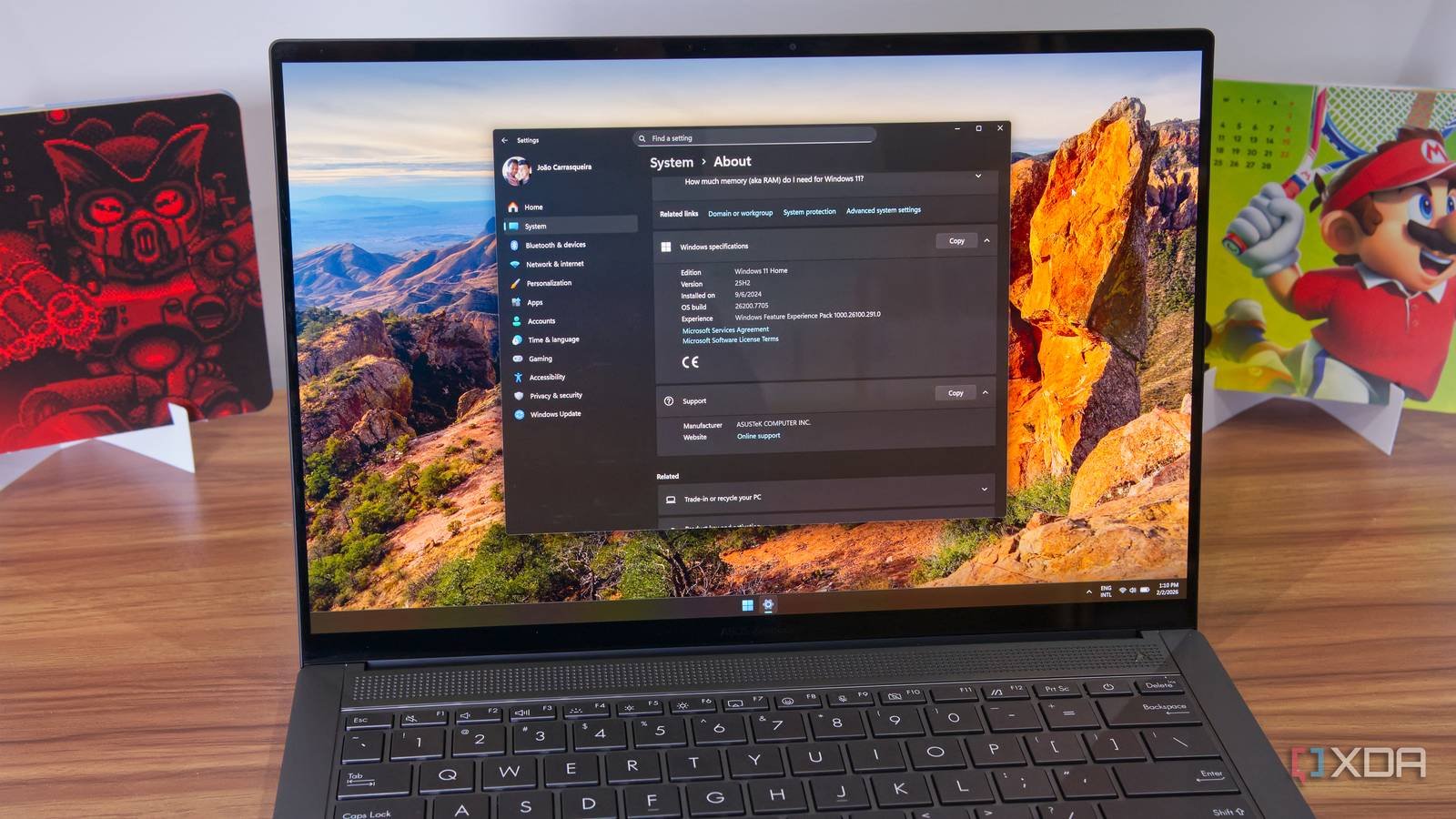
The featured image shows a Windows 11 system information display, highlighting the operating system's interface that native applications would be designed to integrate with seamlessly.
Comments
Please log in or register to join the discussion