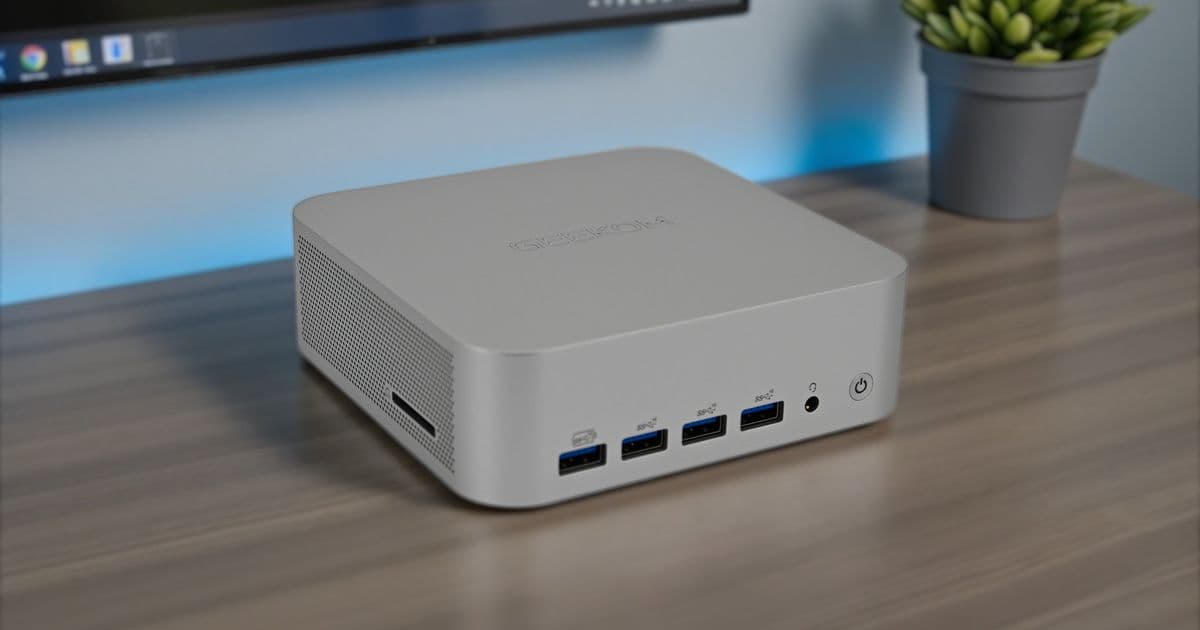
Geekom's refreshed A7 Max mini PC packs an AMD Ryzen 9 7940HS in a compact chassis with robust connectivity, though its single-channel RAM configuration limits performance potential.
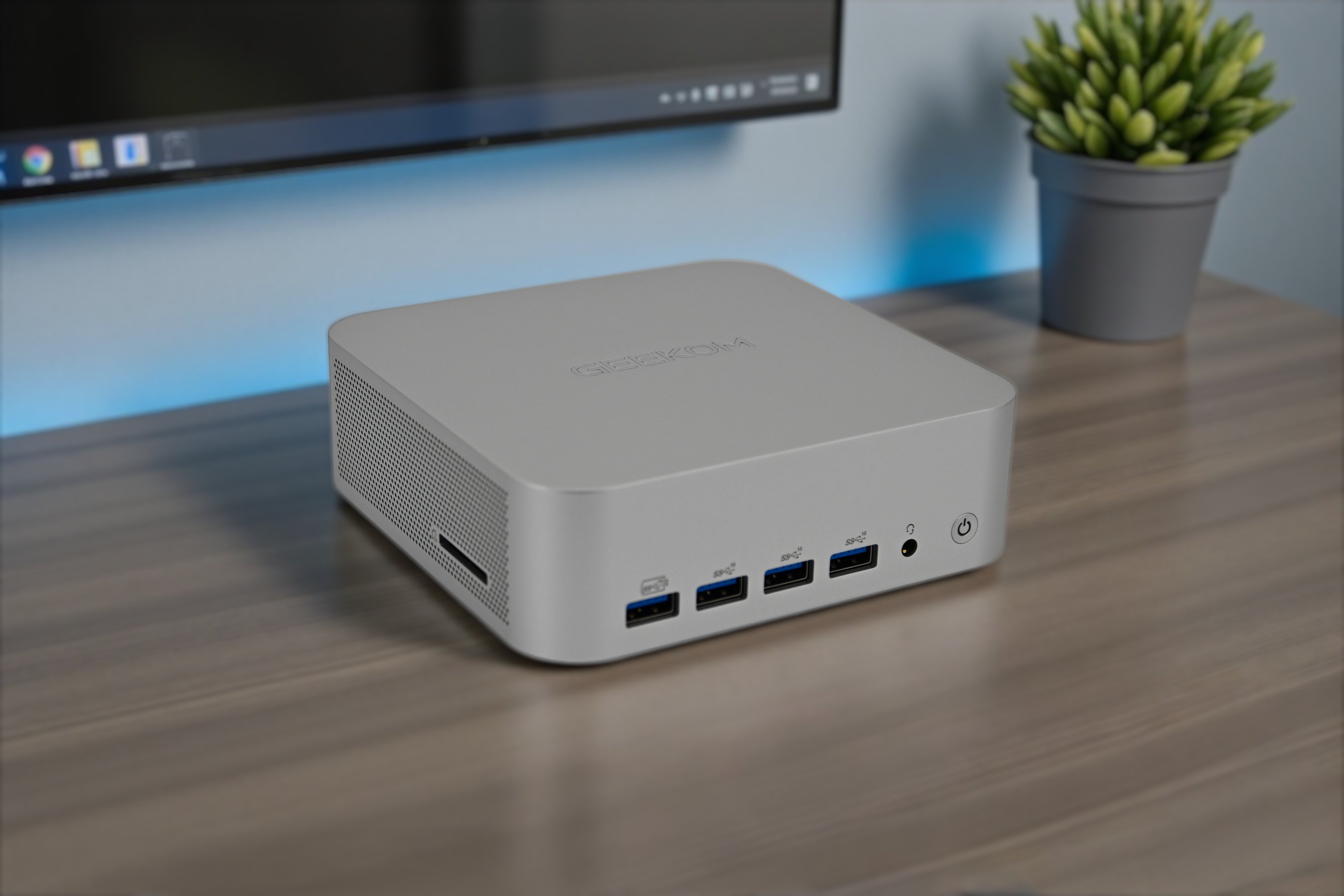
Geekom's A7 Max Edition 2026 enters the mini PC arena targeting power users needing desktop-grade performance in a compact form. At its core sits AMD's Ryzen 9 7940HS processor - an 8-core/16-thread Zen 4 chip that remains competitive despite launching years prior. This 54W TDP processor handles demanding workloads like video encoding and computational tasks efficiently, though its implementation here reveals notable constraints.
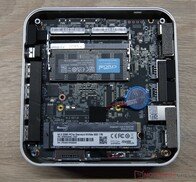
The system ships with 16GB DDR5 RAM via a single SO-DIMM module, creating an immediate performance bottleneck. Unlike dual-channel configurations that double memory bandwidth, this single-channel setup restricts the Ryzen 9's capabilities. Benchmark results show up to 15% performance loss compared to dual-channel equivalents in CPU-intensive tasks. Users can upgrade to dual-channel post-purchase by adding a second RAM module, but the out-of-box configuration leaves untapped potential.
Graphics come from AMD's integrated Radeon 780M with 12 RDNA3 compute units. This solution handles 4K video playback smoothly and manages light gaming at 1080p (expect 30-40 fps in titles like GTA V at medium settings). Unlike newer Ryzen AI chips, the 7940HS lacks a dedicated NPU, forcing AI workloads onto CPU/GPU resources. This puts it at a disadvantage against contemporaries like Geekom's own A9 Max featuring Ryzen AI 9 HX 370 with dedicated neural processing.
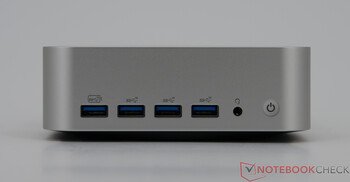
Connectivity shines with dual USB4 (40Gbps) ports supporting DisplayPort 2.1 and Thunderbolt peripherals, dual HDMI 2.1 outputs for triple-display setups, plus six USB-A ports (three 10Gbps, three 5Gbps). The 0.5-liter aluminum chassis includes front-mounted SD card reader and audio jack alongside rear-mounted 2.5GbE Ethernet. Thermal management employs a copper heat pipe and fan that remains whisper-quiet during office tasks but becomes audible under sustained loads, peaking at 45 dB during extended stress tests.
At $699, the A7 Max positions as a value alternative to Intel NUC and newer Ryzen AI systems. When compared to the $1,259 Geekom A9 Max with NPU acceleration and newer Zen 5 architecture, the A7 Max makes sense for users prioritizing raw CPU power over AI capabilities. Its upgradable RAM and storage (dual M.2 slots) provide flexibility missing in soldered-memory competitors.
This mini PC suits creators needing compact workstations for rendering and programming, or households wanting an unobtrusive media center. Gamers should temper expectations - while capable of casual play, it won't replace dedicated GPUs. For those willing to add a second RAM module post-purchase, the A7 Max delivers compelling performance at its price point, though users requiring cutting-edge AI acceleration should consider newer alternatives.
Geekom A7 Max product page | Notebookcheck's full review with benchmark data
Comments
Please log in or register to join the discussion