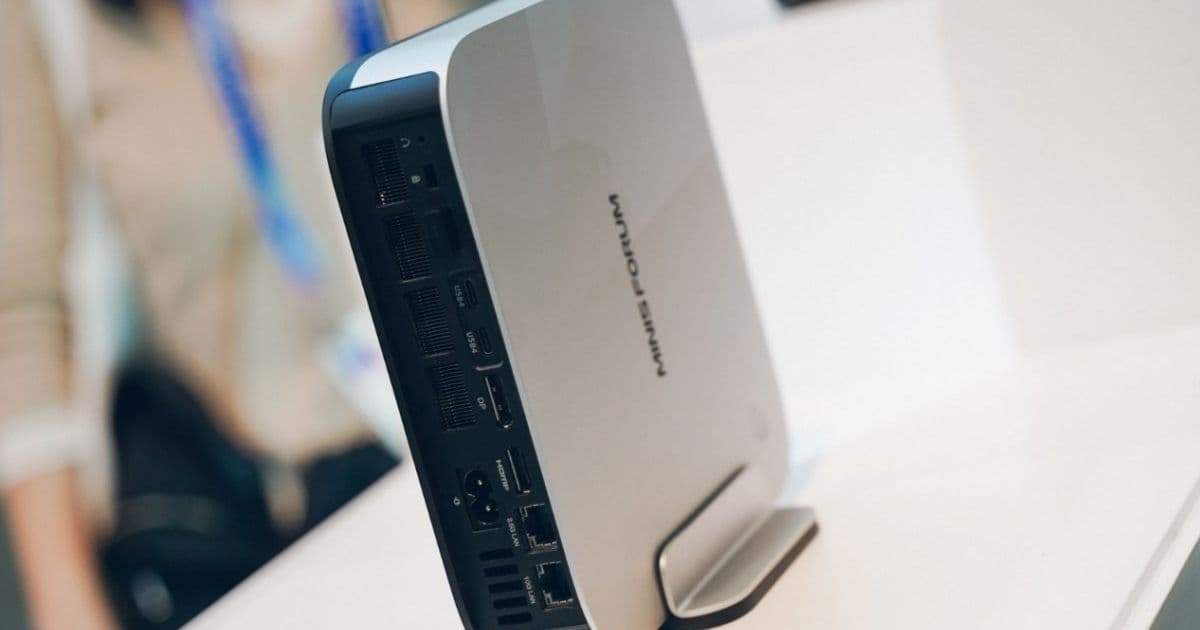
MINISFORUM's upcoming M2 Pro mini PC packs Intel's next-gen Core Ultra X9 388H processor, 96GB LPDDR5X memory, and integrated power supply in a compact design.
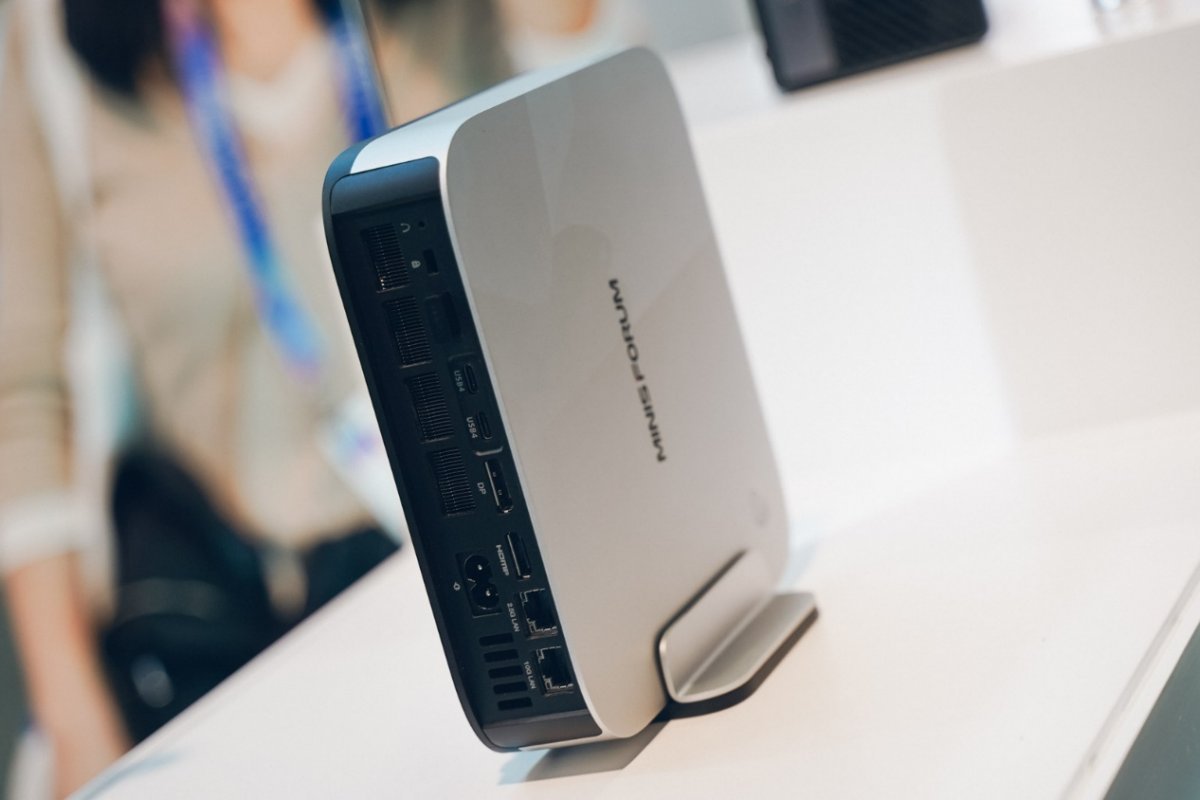
The MINISFORUM M2 Pro represents a significant leap in mini PC capabilities, featuring Intel's upcoming Panther Lake architecture in a compact form factor. Shown at CES, this device integrates desktop-level processing power with server-grade memory capacity while eliminating the bulky external power brick through its innovative integrated power supply design. For developers and power users, the specifications suggest substantial performance headroom for demanding workloads.
Hardware Specifications Breakdown
At its core, the M2 Pro will offer configurations with Intel's Core Ultra X9 388H processor from the Panther Lake generation. This represents Intel's continued refinement of hybrid core architecture, combining Performance-cores (P-cores) and Efficient-cores (E-cores) with specialized low-power units. Early reports indicate the X9 388H will feature:
- Higher core counts than current Meteor Lake chips
- Improved AI acceleration via NPU
- Enhanced Intel Arc B390 integrated graphics
The memory configuration is particularly noteworthy, supporting up to 96GB of LPDDR5X-9600 RAM. This capacity exceeds what's typically available in mini PCs and approaches workstation-level specifications. LPDDR5X offers significant bandwidth advantages over standard DDR5 (up to 9600 MT/s vs 6400 MT/s), benefiting memory-intensive applications like virtualization containers, large compilation tasks, and data processing workloads.
Developer-Centric Design Features
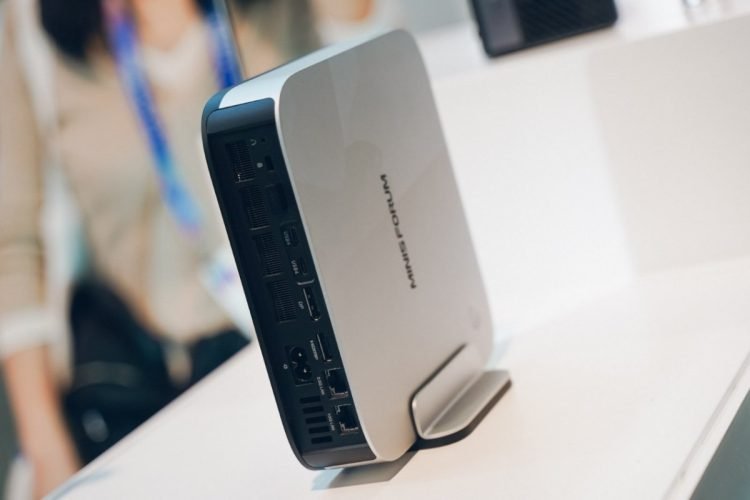
The M2 Pro's physical design includes several elements relevant to development workflows:
Connectivity Options
- Triple USB4 ports (40Gbps) supporting Thunderbolt 4 alternate mode
- Dual Ethernet ports (10GbE + 2.5GbE) for network-intensive tasks
- HDMI and DisplayPort outputs for multi-monitor setups
- Potential OcuLink port (unconfirmed) for external GPU expansion
The combination of high-speed I/O and networking creates a versatile environment for cross-platform development. Developers can connect multiple high-resolution displays, attach storage arrays via Thunderbolt, and maintain high-bandwidth network connections simultaneously.
Input/Output Enhancements
- Front-mounted Windows Copilot hardware button for AI assistant access
- Fingerprint sensor (unconfirmed) for secure authentication
- Integrated microphone array for voice command processing
These features suggest MINISFORUM is targeting AI development workflows where rapid access to Copilot's capabilities and voice interaction could streamline coding assistance and testing procedures.
Power Delivery Innovation
The integrated power supply deserves special attention. Unlike most mini PCs requiring external power bricks, the M2 Pro uses a direct plug design where the power cable connects straight to the chassis. This approach:
- Reduces desktop clutter
- Eliminates potential power adapter failure points
- Maintains the compact footprint during transport Developers creating portable demo units or field-deployable systems will appreciate this streamlined power solution.
Platform Implications
For software development, the M2 Pro's specifications create interesting possibilities:
Virtualization Capabilities With 96GB RAM and 24-thread processors, users could comfortably run multiple virtual machines simultaneously. This enables:
- Cross-platform testing (Windows/Linux/macOS via virtualization)
- Containerized development environments
- Local network simulation for distributed systems testing
AI Workload Support The combination of Intel's NPU, Arc B390 graphics, and high-speed memory creates a capable platform for:
- Local LLM execution
- Computer vision model training
- Edge AI prototyping
Cross-Platform Development The triple USB4 ports provide exceptional peripheral flexibility:
- Connect macOS development machines via Target Disk Mode
- Direct Android device debugging
- High-speed storage for large codebases
Missing Details and Considerations
While promising, several unknowns remain:
- Pricing and availability haven't been announced
- Thermal performance under sustained load is unverified
Comments
Please log in or register to join the discussion