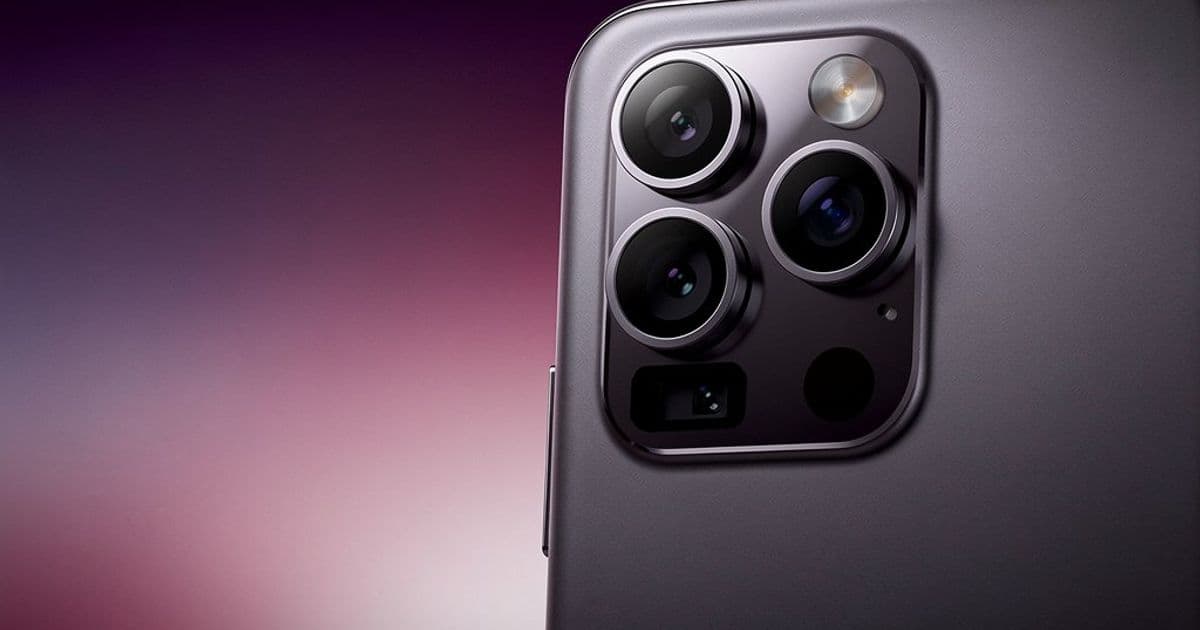
Details emerge about Samsung's Galaxy S27 Ultra camera system featuring an upgraded 200MP ISOCELL HP6 sensor with computational enhancements while maintaining current physical dimensions.
While the Galaxy S26 series hasn't even launched yet, reliable sources have begun detailing camera specifications for its successor, the Galaxy S27 Ultra. This early leak suggests Samsung is pursuing an evolutionary approach to its flagship imaging system rather than revolutionary hardware changes.
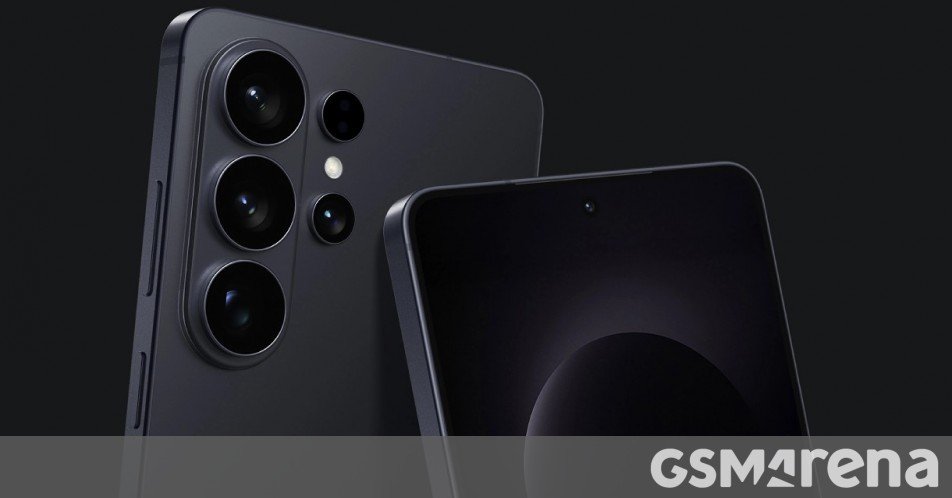
According to established tipster Ice Universe, the Galaxy S27 Ultra will retain the 1/1.3-inch sensor size used in current Galaxy S25 Ultra models but upgrade to a new sensor dubbed the ISOCELL S5KHP6. This maintains the 200MP resolution and f/1.7 aperture lens configuration while implementing newer processing technologies. The identical physical dimensions mean Samsung won't be increasing the sensor size for the third consecutive generation, bucking industry trends that typically prioritize larger sensors for improved light capture.
What sets the HP6 apart are computational photography advancements engineered to maximize output quality within existing hardware constraints. While specifics remain undisclosed, these likely include:
- Enhanced pixel-binning algorithms for superior 12MP and 50MP output modes
- Improved HDR processing for challenging lighting scenarios
- Reduced shutter lag and faster readout speeds
- Advanced noise reduction for low-light photography
This approach suggests Samsung believes computational photography has matured enough to extract significant quality gains without enlarging the sensor footprint. The strategy potentially addresses thermal management challenges that come with larger sensors while maintaining device ergonomics.
Complementing the main sensor upgrade, Ice Universe confirms improvements to both the ultrawide and front-facing cameras. Though details are sparse, this indicates Samsung is spreading development resources across its entire imaging system rather than concentrating solely on the primary camera.
This leak reveals Samsung's confidence in its computational photography pipeline. By optimizing software processing while maintaining consistent hardware dimensions, Samsung avoids potential thermal throttling issues that have plagued competitors pushing larger sensors. The approach also enables more predictable manufacturing processes and potentially faster production scaling.
Looking at Samsung's ecosystem strategy, consistent sensor sizes across generations simplify third-party accessory compatibility (like lens attachments) and maintain software processing familiarity for users upgrading between models. However, it creates differentiation challenges against competitors like Xiaomi and Vivo who continue pushing sensor size boundaries.
With the Galaxy S26 series still months from launch, these S27 Ultra leaks suggest Samsung's R&D pipeline operates significantly ahead of public release cycles. Production decisions will likely depend on how the Galaxy S26's camera system performs against rivals later this year. If competitive pressure intensifies, Samsung could still adjust the S27's specifications before manufacturing begins.
The Galaxy S27 Ultra camera leak points toward a refined, software-driven imaging approach rather than hardware revolution. It demonstrates how flagship smartphone photography is increasingly defined by computational optimizations working in concert with mature sensor technology.
Comments
Please log in or register to join the discussion