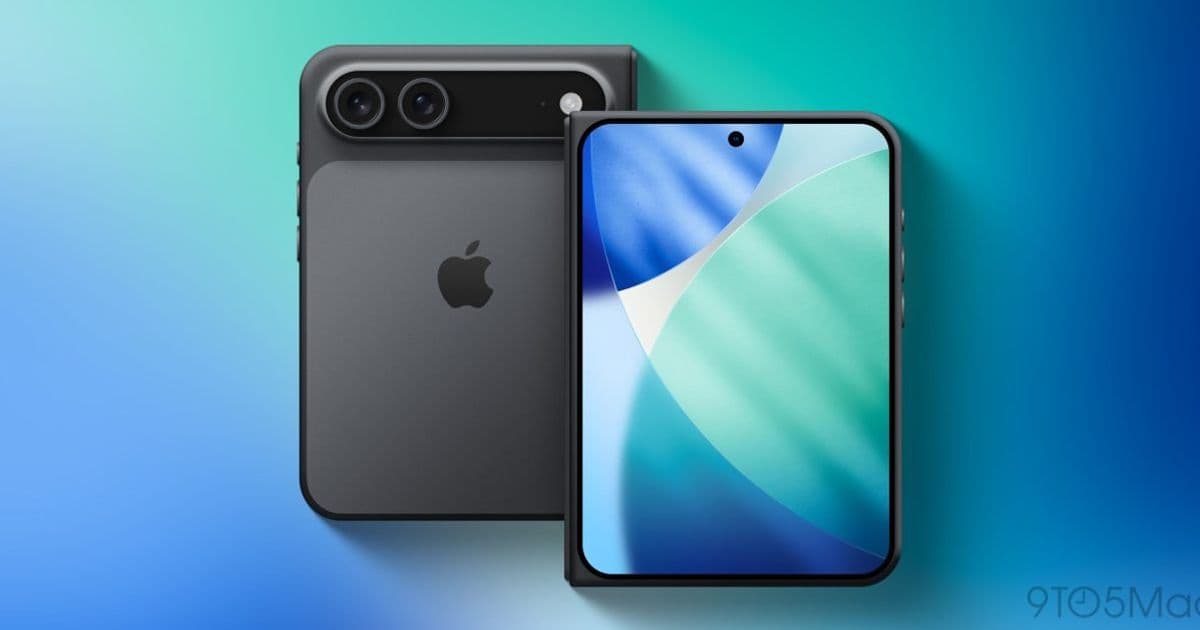
Weibo leaker Fixed Focus Digital says the upcoming iPhone Ultra will sport a vapor‑chamber cooling system—Apple’s first for a foldable—while confirming the device remains on track for a September release.
Leaker reveals new iPhone Ultra vapor‑chamber cooling and confirms September launch
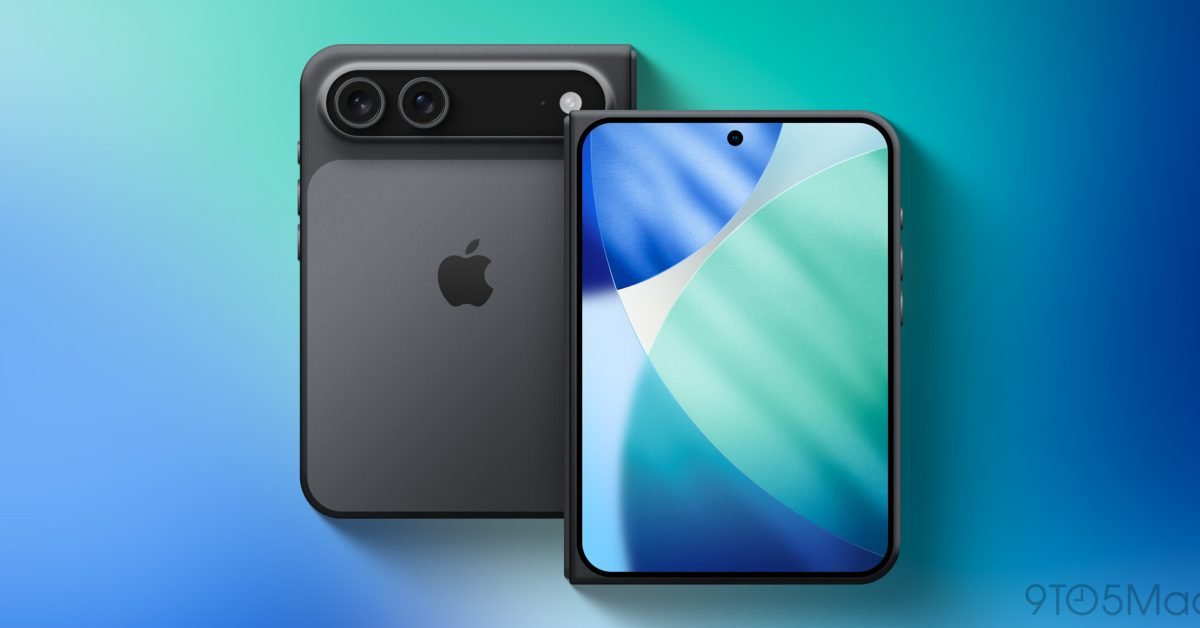
Apple’s foldable flagship, the iPhone Ultra, is gaining more concrete details as the company pushes toward mass production. The latest scoop comes from the Weibo account Fixed Focus Digital, which posted a screenshot of an internal spec sheet showing the device’s "impressive VC (vapor chamber) cooling performance". This is the first public indication that Apple will equip its foldable with a vapor chamber, a technology previously reserved for the iPhone 17 Pro line.
Why a vapor chamber matters for a foldable
A vapor chamber is essentially a flat, sealed heat‑pipe that spreads thermal energy across a large surface area. When the processor generates heat, a liquid inside the chamber evaporates, travels to the chamber’s cooler edges, condenses, and returns to the hot spot via capillary action. The result is a more uniform temperature profile and lower peak hotspots.
For a device as thin as the iPhone Ultra, integrating a vapor chamber is a notable engineering feat. The Ultra’s chassis is expected to be built from titanium, a material prized for its strength‑to‑weight ratio but not for its thermal conductivity. By pairing titanium with a vapor chamber, Apple can keep the device cool without resorting to a bulkier metal like aluminum.
The benefit is two‑fold:
- Sustained performance – The iPhone 17 Pro and Pro Max demonstrated that a vapor chamber can keep the A‑series chip running at boost clocks for longer periods without throttling. Applying the same approach to the Ultra should prevent the thermal throttling that plagued the iPhone 15 Pro and iPhone 16 Pro under heavy gaming or AI workloads.
- User comfort – A cooler surface feels better in the hand, especially during extended video playback or AR sessions, which the Ultra is likely to emphasize.
How the Ultra’s cooling stack fits together
Apple’s cooling architecture for the Ultra appears to be a hybrid of the following layers:
- Vapor chamber – Spanning the back panel, directly beneath the main SoC.
- Graphite heat spreader – Thin sheets of graphene‑enhanced graphite that conduct heat from the chamber to the frame.
- Titanium frame with micro‑fins – The frame itself includes tiny fins that act as passive radiators, moving heat away from the device’s interior.
- Software throttling algorithms – iOS 18 will likely include more granular thermal management, dialing back background tasks before the hardware reaches critical temperatures.
The combination should allow the Ultra to maintain peak performance for longer bursts while keeping surface temperatures within comfortable limits.
Release timing remains on schedule
In addition to the cooling news, Fixed Focus Digital reaffirmed that the iPhone Ultra is still slated for a September 2026 launch, despite circulating rumors about supply‑chain hiccups. Apple’s recent earnings call hinted at a “steady ramp‑up” for its foldable line, and the leaker’s timing update aligns with the company’s historical September rollout window for flagship iPhones.
The confirmation matters because many analysts had begun to speculate that Apple might push the Ultra to early 2027 to iron out manufacturing challenges associated with the titanium‑titanium‑vapor‑chamber combo. A September launch suggests Apple has solved—or at least mitigated—those hurdles.
What’s next?
Fixed Focus Digital teased a follow‑up leak for tomorrow that could reveal more about the Ultra’s display technology or perhaps the first public demo of the foldable’s hinge mechanism. If the vapor chamber detail is any indication, we can expect Apple to continue borrowing proven thermal solutions from its non‑foldable lineup while adapting them to the unique constraints of a foldable form factor.
Ecosystem considerations
The Ultra’s cooling upgrade may influence the broader iOS ecosystem in several ways:
- App developers – With a more stable thermal envelope, developers can push higher‑intensity graphics and AI workloads without fearing abrupt throttling on the Ultra.
- Accessory market – Cooler devices reduce the need for external cooling accessories (e.g., fan‑based cases), potentially shifting accessory trends toward ergonomics and style.
- Cross‑device continuity – Apple’s Continuity features will benefit from a device that can stay in high‑performance mode longer, making tasks like real‑time video editing on the Ultra while streaming to a Mac more fluid.
Bottom line
The vapor‑chamber leak adds a concrete piece to the puzzle of what Apple is doing to make its first foldable iPhone viable for power users. Coupled with the reaffirmed September launch, the news suggests Apple is confident in its engineering solutions and ready to bring a thermally robust, high‑performance foldable to market.
For the full spec sheet and translation, see the original post on Weibo via Fixed Focus Digital.
Comments
Please log in or register to join the discussion