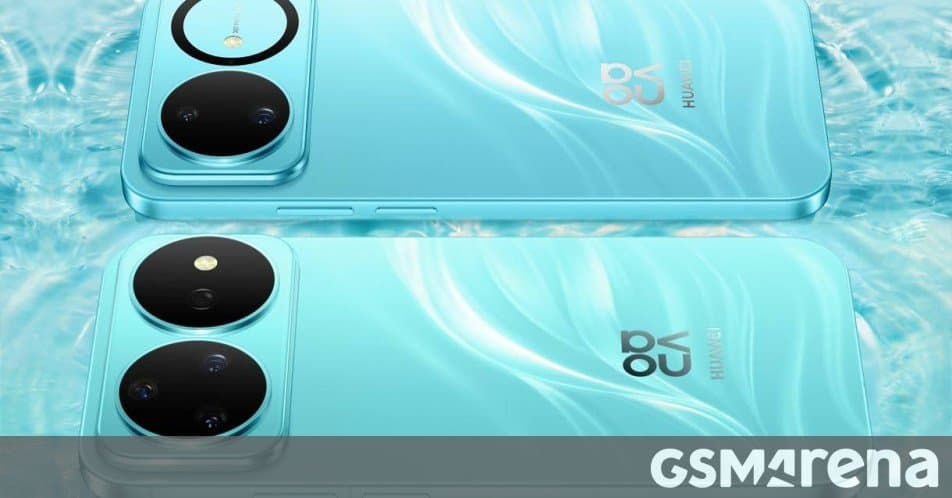
Huawei’s latest nova midsize phones bring massive batteries, a 200 MP RYYB main camera on the Pro, 50 MP periscopic telephoto lenses and the Kirin 9010S chipset, all wrapped in HarmonyOS 4 and satellite‑messaging support.
Announcement
Huawei has officially introduced the nova 16 and nova 16 Pro, the newest members of its mid‑range line‑up. Both devices ship with a 7,000 mAh cell, 100 W wired charging, and the same Kirin 9010S SoC that powered the nova 15 Pro. The Pro model pushes the camera envelope with a 200 MP main sensor and a 50 MP periscopic telephoto, while the standard nova 16 offers a more modest but still capable 50 MP main unit.
Key hardware specs
| Feature | nova 16 | nova 16 Pro |
|---|---|---|
| Display | 6.68‑inch OLED, 120 Hz, 1,280 × 2,800 px, 10‑bit | 6.84‑inch LTPO, 1‑120 Hz, 1,320 × 2,856 px, 10‑bit |
| Glass | Aluminosilicate (unbranded) | Kunlun glass |
| SoC | Kirin 9010S (vapor‑chamber cooled) | Kirin 9010S (vapor‑chamber cooled) |
| RAM / Storage | 12 GB / 256 GB or 512 GB | 12 GB / 256 GB, 512 GB or 1 TB |
| Battery | 7,000 mAh, 100 W wired fast charge | 7,000 mAh, 100 W wired fast charge |
| Wireless charge | No | No |
| IP rating | IP65 (water‑jet resistance) | IP65 |
| Fingerprint sensor | Side‑mounted | Side‑mounted |
| Connectivity | 5G, Wi‑Fi 7, Bluetooth 6.0, NFC, dual‑band GPS/BeiDou/Galileo, USB‑C 2.0 | Same |
| Satellite | BeiDou messaging (text only) | Same |
Camera systems
- nova 16 Pro
- Main: 200 MP 1/1.28” RYYB sensor, f/1.8 aperture, OIS
- Ultra‑wide: 50 MP, f/2.2, autofocus, 7 cm macro capability
- Telephoto: 50 MP RYYB periscope, 3.7× optical zoom, OIS
- Front: 50 MP 1/2.5” sensor, f/2.4, 1.5 M‑channel spectral sensor, pill‑shaped cutout
- nova 16
- Main: 50 MP, f/1.9, no OIS
- Telephoto: 50 MP RYYB periscope, 3.3× optical zoom, OIS
- Front: 50 MP, punch‑hole design
Both phones retain the 2,160 Hz PWM dimming technique for flicker‑free viewing and support 10‑bit colour depth, which should please HDR enthusiasts.
Software and ecosystem implications
The devices run HarmonyOS 4, Huawei’s latest iteration that emphasizes cross‑device continuity. Users can drag content between a nova phone, a MateBook laptop, and a Watch GT via the “Multi‑Screen Collaboration” feature, keeping the ecosystem lock‑in relatively tight. Satellite messaging over the BeiDou network is now standard on the nova line, extending the utility of the phones in areas with poor cellular coverage – a capability previously limited to the nova 15 Ultra.
From a developer standpoint, HarmonyOS continues to rely on the Ark Compiler and the Huawei Mobile Services (HMS) Core. Apps built for Android can be ported using HMS Core Kit, but some Google‑dependent services remain unavailable, which may affect users who rely on Google Play. The trade‑off is a deeper integration with Huawei’s own app store, cloud backup, and AI‑driven features such as the Smart Photo engine that leverages the RYYB sensor’s larger luminance capture.
Market positioning and pricing
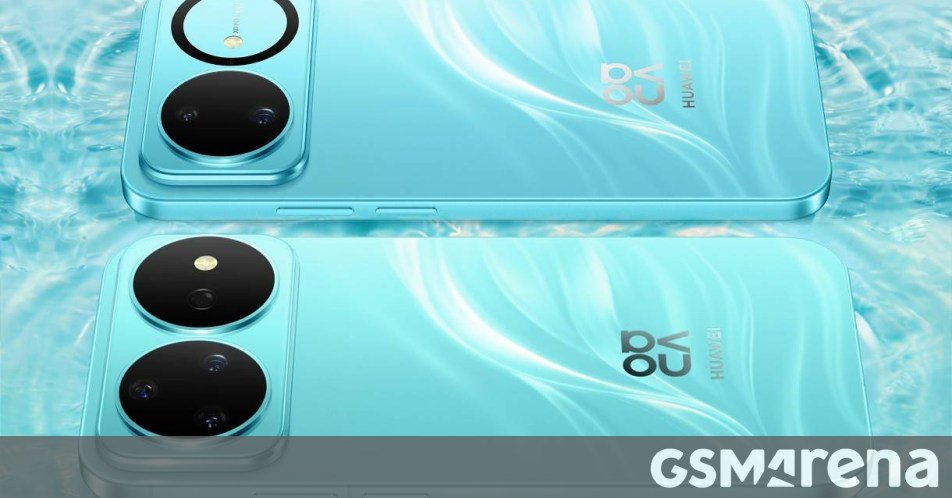
Pricing in China starts at CNY 3,000 (≈ $445) for the base nova 16 and CNY 3,900 (≈ $575) for the nova 16 Pro. Higher‑capacity storage bumps the price to CNY 5,000 for the 1 TB Pro variant. The colour palette—Clear Blue, Iridescent Mother of Pearl, Sky White and Starry Night Black—targets a style‑conscious audience that values the distinctive “spectacles” silhouette of the Pro.
What this means for consumers
- Battery life: 7,000 mAh paired with a 100 W charger translates to roughly 24‑hour endurance under mixed usage, a clear advantage over most competitors.
- Photography: The 200 MP main sensor on the Pro should deliver excellent detail in good light, while the RYYB layout improves low‑light performance compared with traditional Bayer sensors.
- Ecosystem lock‑in: HarmonyOS offers a smooth hand‑off experience within Huawei’s product family, but the lack of Google services may push power users toward alternative ecosystems.
- Connectivity: Wi‑Fi 7 and Bluetooth 6.0 future‑proof the devices for upcoming routers and audio gear, while the side‑mounted fingerprint reader feels more reliable than under‑display options.
Overall, the nova 16 series pushes the mid‑range segment toward flagship‑level specs—massive batteries, high‑resolution cameras and fast charging—while keeping the price bracket accessible for most consumers.
Comments
Please log in or register to join the discussion