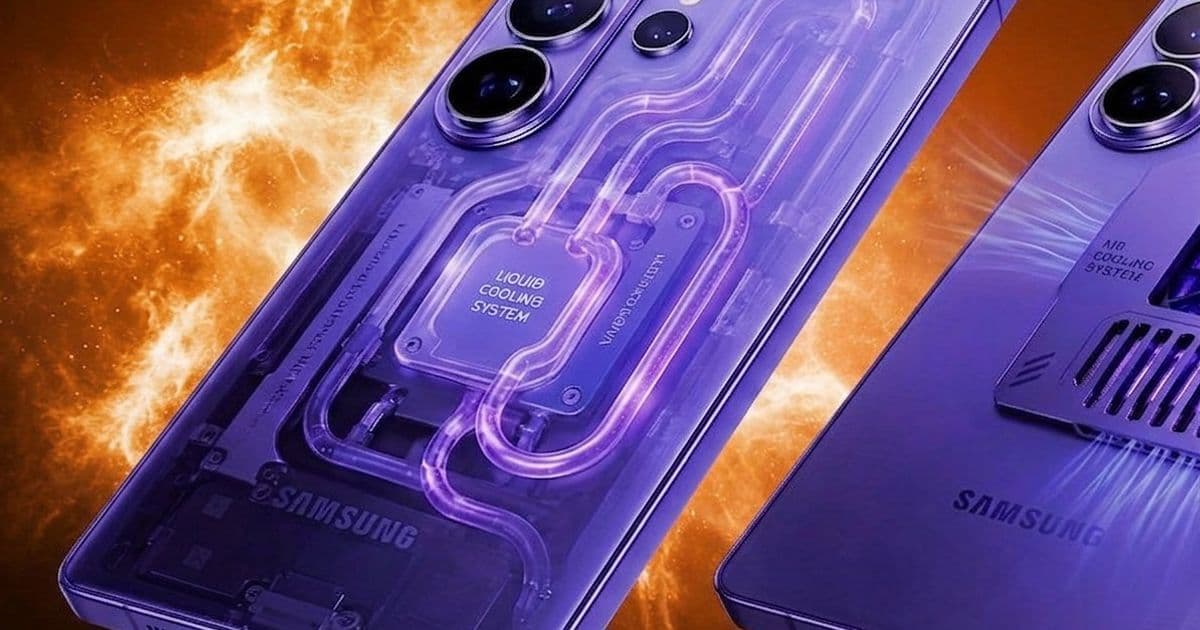
Samsung is reportedly developing advanced active cooling solutions for future Galaxy flagships to combat thermal issues from intensive AI workloads, potentially implementing liquid cooling systems in the Galaxy S27 series.
Samsung is reportedly developing advanced active cooling solutions to combat thermal throttling, a persistent bottleneck for flagship phones, particularly those running intensive AI workloads. According to sources from Samsung's Production Technology Research Institute, the company is evaluating both liquid and air cooling options for future devices, with a particular focus on liquid-based systems that could debut in the upcoming Galaxy S27 series.
What's New
Samsung's dedicated research team, led by lab director Park Min, is currently testing active cooling technologies that represent a significant departure from the passive cooling solutions traditionally used in smartphones. The team is prioritizing a liquid-based system that uses a sealed, circulating loop connected directly to the chipset. This approach would allow for more efficient heat dissipation than current solutions, which rely primarily on copper heat spreaders, graphite sheets, and small vapor chambers.
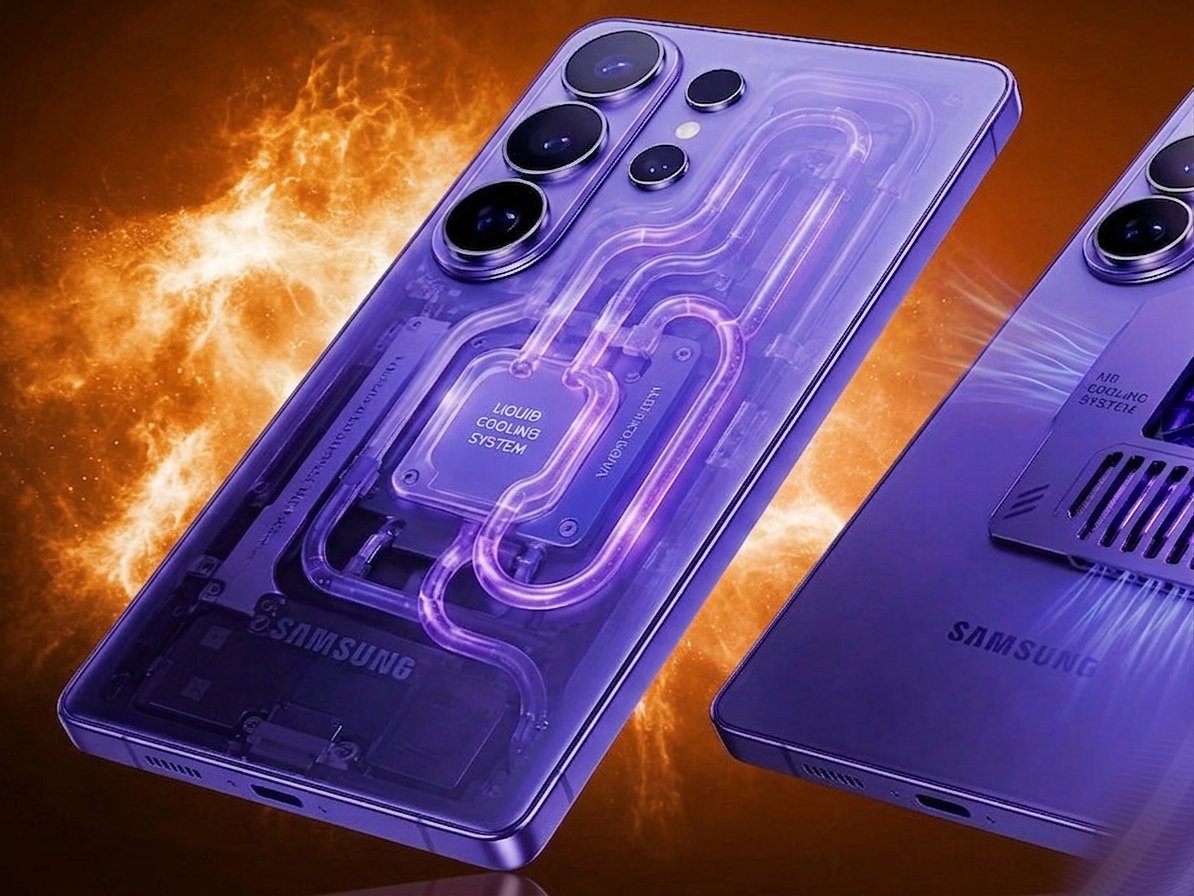
While air cooling with internal fans is also being tested, Samsung notes that concerns regarding fan noise and increased device weight make liquid solutions more attractive for consumer devices. The liquid cooling system would likely be a sealed unit similar to those used in some high-performance laptops, with a micro-pump circulating fluid through channels that make direct contact with the hottest components.
This development comes as Samsung's latest flagship SoC, the Exynos 2600 utilized in the Galaxy S26 and S26+ features innovative "Heat Pass Block" (HPB) technology—a copper heatsink placed directly on the chip die that has shown remarkable thermal stability in testing. However, Samsung recognizes that future on-device AI and high-performance silicon will require more robust active systems to maintain peak performance during extended workloads.
How It Compares
Samsung's potential move toward active cooling mirrors methods already popularized by gaming-focused phones from manufacturers like Nubia, which utilizes hybrid liquid and air cooling solutions in their devices. These gaming phones have long faced thermal challenges due to their high-performance components and have implemented active cooling to sustain performance during gaming sessions.
The implementation of active cooling in mainstream flagships would represent a significant shift in smartphone thermal management. Current solutions rely on passive cooling—using materials with high thermal conductivity to spread heat away from components and dissipate it through the phone's chassis. While effective for moderate workloads, these solutions struggle during sustained high-performance tasks like AI model inference, gaming, or video recording, leading to thermal throttling that reduces performance.
Samsung's approach appears to be more sophisticated than simple fan solutions. By potentially implementing a liquid cooling loop, Samsung could address the thermal challenges of future processors without the noise and bulk concerns associated with traditional fan cooling. This would allow the Galaxy S27 Ultra and subsequent models to maintain peak performance during intensive AI workloads, which are becoming increasingly important as on-device AI capabilities expand.
Who It's For
The implementation of active cooling would primarily benefit power users who regularly engage in performance-intensive tasks. This includes:
- AI enthusiasts and developers who run local AI models on their devices
- Mobile gamers who demand sustained high performance
- Content creators who use their phones for extended video recording or editing
- Early adopters who want to future-proof their devices against increasingly demanding applications
For average users who primarily use their devices for social media, browsing, and occasional photography, the benefits would be less noticeable but still present in the form of more consistent performance during everyday tasks.
Samsung's pivot toward active cooling also signals the company's commitment to maintaining leadership in the smartphone performance race. As competitors continue to push the boundaries of mobile computing with more powerful processors and advanced AI capabilities, effective thermal management becomes increasingly critical to delivering a premium user experience.
By moving toward active, internal cooling, Samsung could ensure its future flagships, like the Galaxy S27 Ultra (reportedly launching July 22) and/or Galaxy S28 Ultra, can maintain peak performance without relying solely on passive solutions. This approach would allow Samsung's devices to fully leverage the potential of their hardware, particularly in the growing field of on-device AI processing.
The development underscores the broader industry challenge of managing thermal constraints in increasingly powerful mobile devices. As smartphones continue to pack more computational power into smaller form factors, innovative cooling solutions will become essential to deliver consistent performance without compromising battery life or device aesthetics.
Samsung's decision to prioritize liquid cooling over air cooling suggests the company is seeking a solution that balances performance, noise, and form factor considerations. If successfully implemented, this technology could set a new standard for flagship smartphone thermal management and influence the entire industry's approach to cooling in compact devices.
Comments
Please log in or register to join the discussion