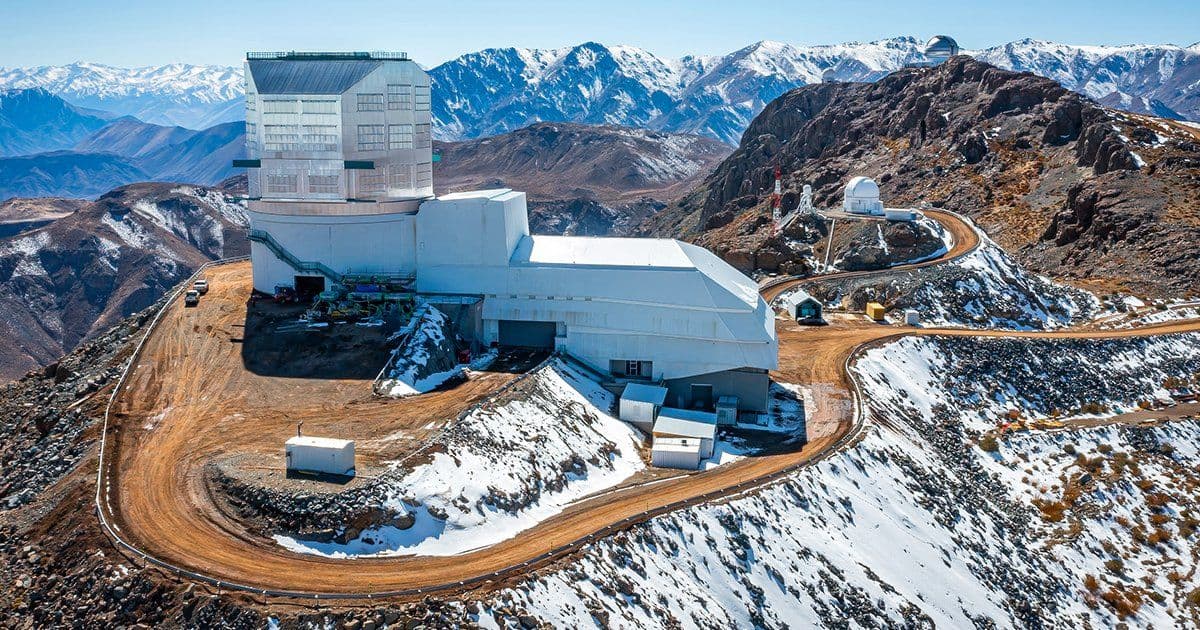
The Vera C. Rubin Observatory is beginning operations with ambitious promises of revolutionizing astronomy. Early results show significant capabilities in detecting asteroids, supernovas, and interstellar objects, but face challenges in data processing and scientific interpretation.
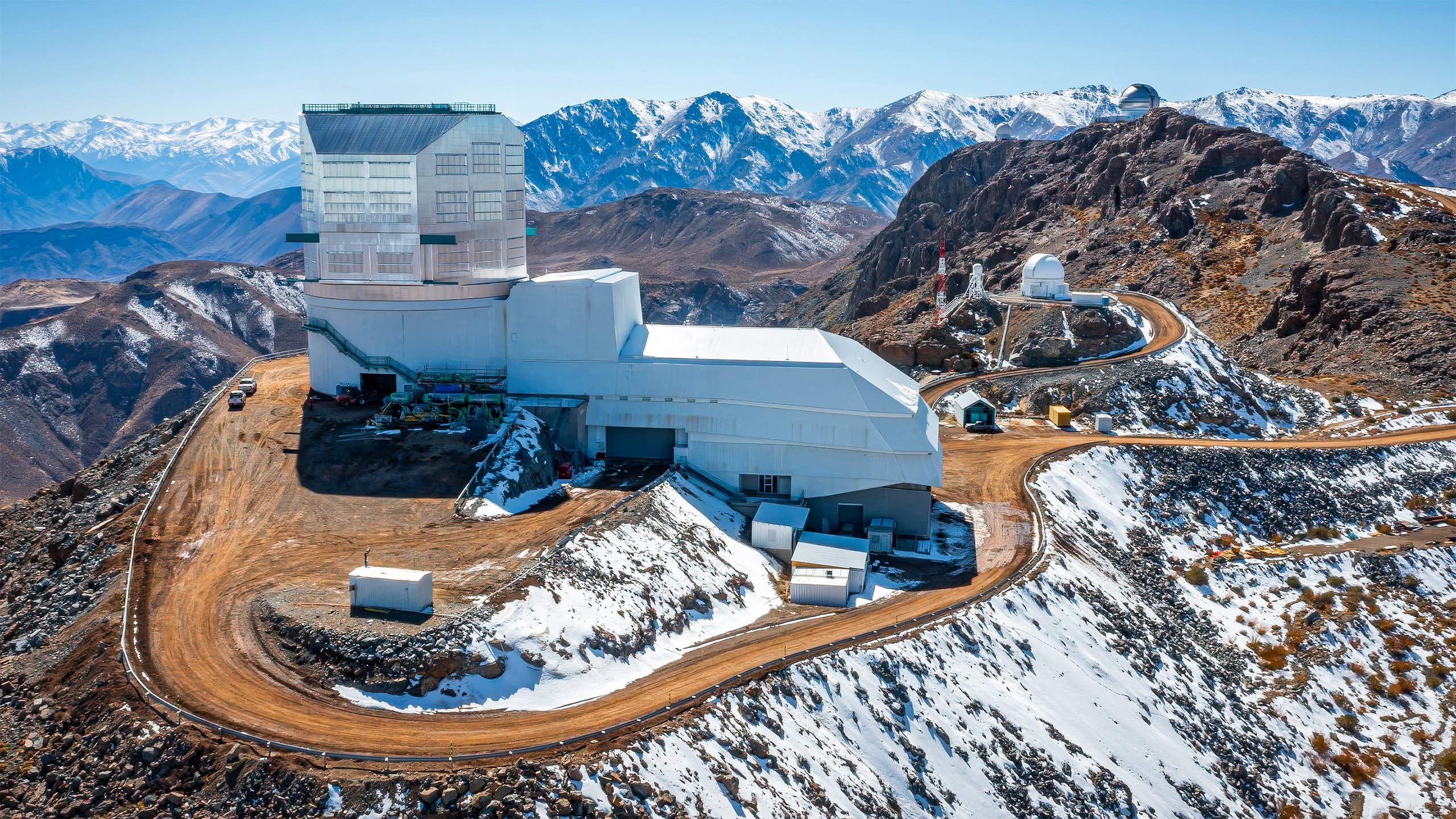
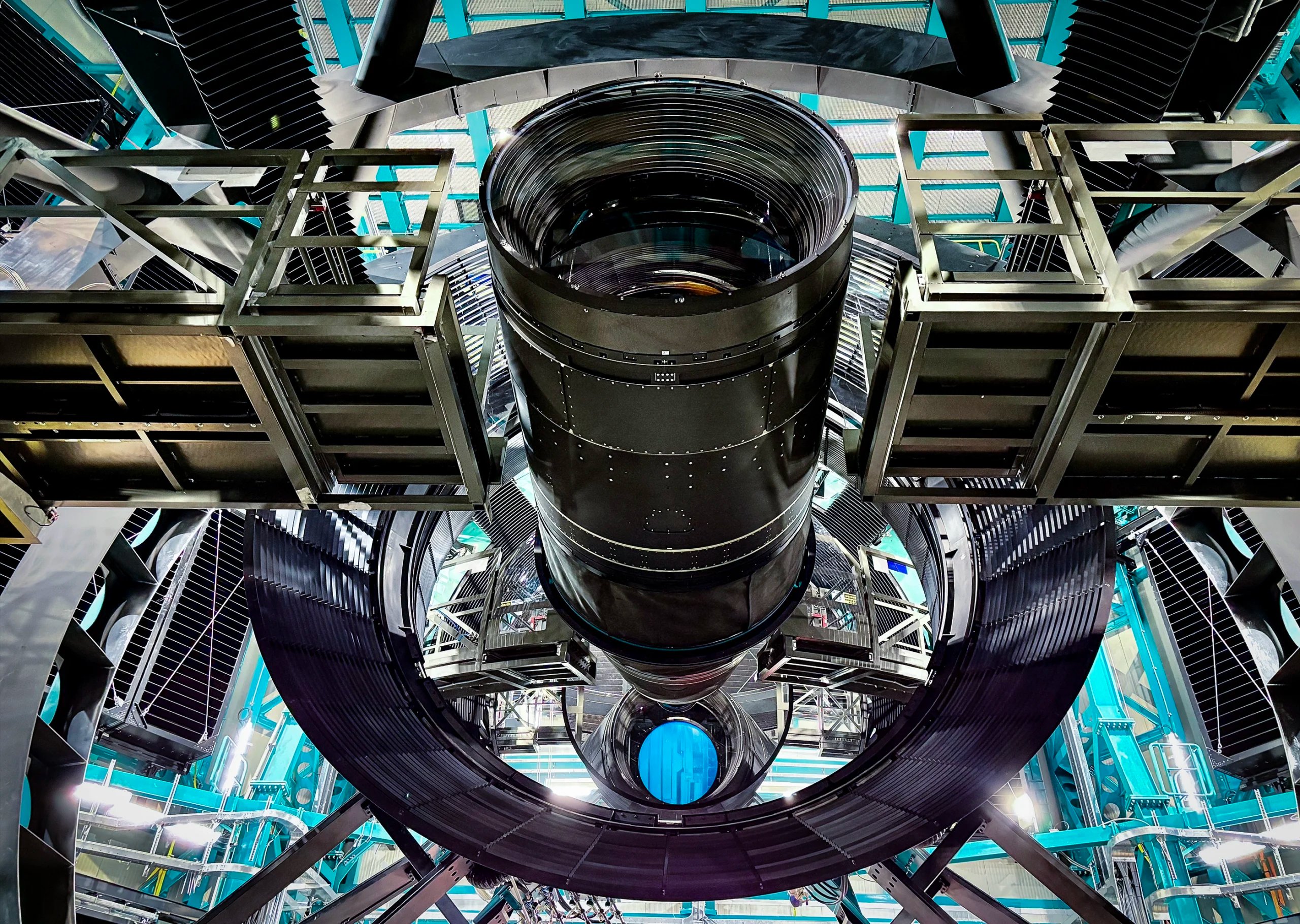
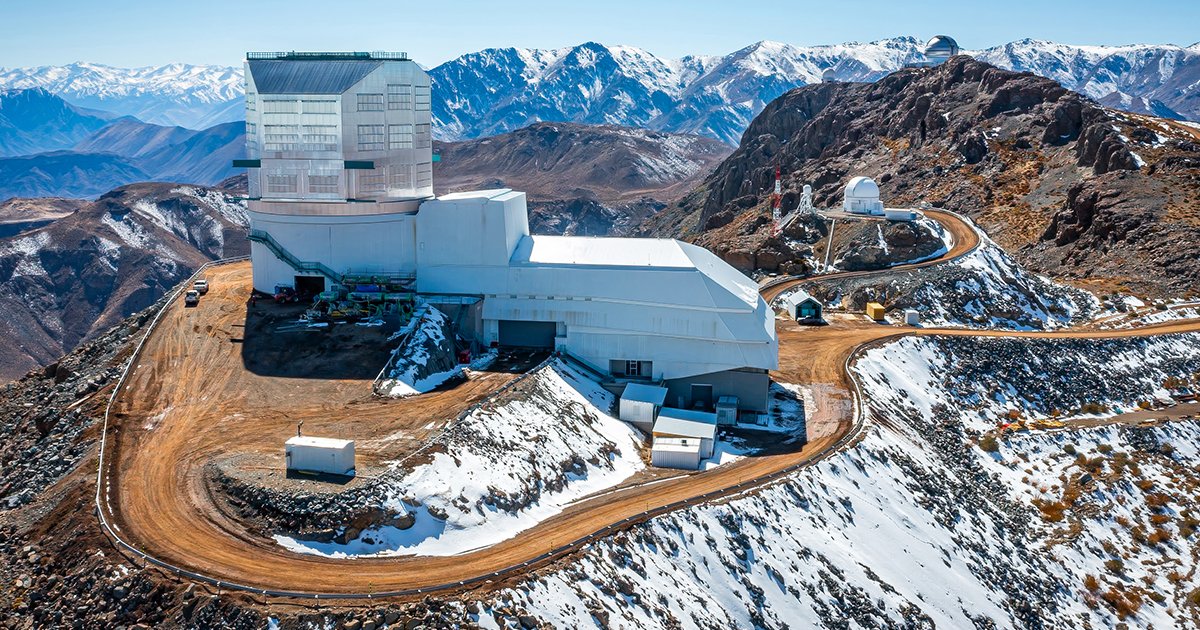
The Vera C. Rubin Observatory in Chile's Atacama Desert represents one of the most significant investments in observational astronomy in decades. Originally conceived in the mid-1990s as the 'Dark Matter Telescope,' Rubin has evolved into a facility designed to systematically survey the changing universe through repeated imaging of the entire Southern Hemisphere night sky. The observatory features an 8.4-meter mirror and a car-sized digital camera, making it one of the most powerful astronomical survey instruments ever constructed.
What's Actually Being Delivered
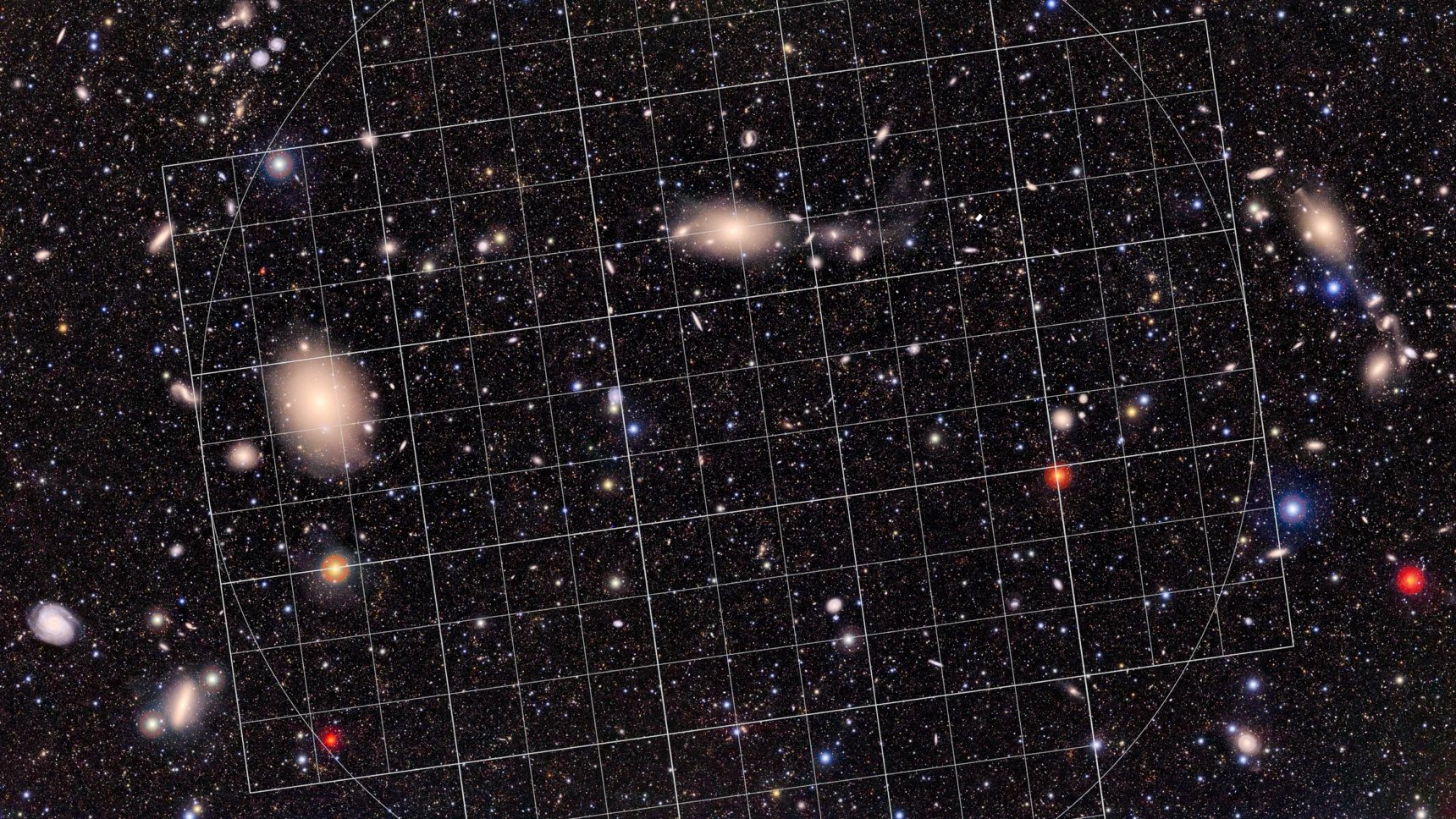
Rubin's operational model differs fundamentally from previous telescopes. Rather than targeting specific objects, it will systematically image the entire visible sky every few days for a decade, creating what essentially amounts to the world's largest astronomical time-lapse movie. This approach has already yielded tangible results.
In June 2025, during its 'first light' phase, Rubin released images revealing 1,500 previously unknown asteroids. Among these, astronomers identified 19 'superfast rotators' - asteroids spinning at exceptional rates. Most notably, 2025 MN45, an asteroid approximately 700 meters in diameter (skyscraper-sized), completes a full rotation every 1.88 minutes. This discovery challenges existing models of asteroid structure, as most asteroids of this size are thought to be rubble piles held together only by gravity. Such rapid rotation would tear apart a loose conglomerate, suggesting 2025 MN45 may be a solid fragment of a planetary core from the early solar system.
The observatory's alert system has demonstrated impressive capability. On February 24, 2026, during testing, Rubin generated 800,000 alerts in a single night cataloging every detected change in the sky. When fully operational, it's expected to produce 7 million alerts and 20 terabytes of data nightly. This data deluge will transform how astronomers approach transient phenomena like supernovas.
Scientific Impact and Limitations
The Rubin Observatory's most significant contribution may be in our understanding of Type Ia supernovas - the 'standard candles' used to discover dark energy. The original discovery of cosmic acceleration relied on observations of fewer than 100 Type Ia supernovas. Rubin expects to identify 250,000 such events annually, potentially resolving the 'Hubble tension' - the discrepancy between measured expansion rates of the early and late universe.
However, the sheer volume of data presents substantial challenges. The observatory will rely on seven data brokers, including Lasair, to process and identify interesting objects. Stephen Smartt of the University of Oxford, scientific lead for Lasair, notes that everything that changes, appears, or disappears triggers an alert, creating a signal processing challenge of unprecedented scale.
For asteroid detection, Rubin offers practical benefits beyond pure discovery. Current telescopes typically detect small 'imminent impactors' just hours before they enter Earth's atmosphere. Simulations led by Michael Frazer suggest Rubin could detect these objects days in advance, potentially enabling scientific observation missions and meteorite recovery efforts. The observatory may find approximately one such impactor annually.
The facility has also demonstrated capability in detecting interstellar objects - celestial bodies from other solar systems. Rubin detected the interstellar comet 3I/ATLAS 10 days after its initial discovery by other telescopes. While scientists expect to find between 5-500 such objects during the 10-year survey, the actual number remains uncertain. Rosemary Dorsey of the University of Helsinki notes that finding none would itself be scientifically interesting, suggesting these objects may be rarer than current models predict.
Technical Constraints
Despite its capabilities, Rubin faces several limitations. The preliminary images haven't yet reached the expected sharpness, though some science, particularly asteroid detection, is less dependent on image quality. The observatory's photometric redshift measurements - crucial for determining cosmic distances - have performed comparably to other cutting-edge telescopes but will be applied to an unprecedented sample of 4 billion galaxies out of the 20 billion expected to be cataloged.
The observatory cannot detect all wavelengths equally. While it excels in visible light observations, it cannot detect radio waves, limiting its direct study of phenomena like fast radio bursts (FRBs). However, photometric redshift data may help determine distances to FRBs if they can be linked to host galaxies Rubin can measure.
As the Rubin Observatory begins full operations, the astronomical community faces both opportunity and challenge. The facility will generate more data in a single night than previous surveys collected in years. Sarah Greenstreet of the National Optical-Infrared Astronomy Research Laboratory aptly describes this as 'an explosion of discovery within astronomy.' The coming decade promises transformative insights into our solar system, galaxy, and universe, but success will depend not just on the observatory's capabilities, but on the scientific community's ability to process, interpret, and learn from this unprecedented flood of cosmic data.
Comments
Please log in or register to join the discussion