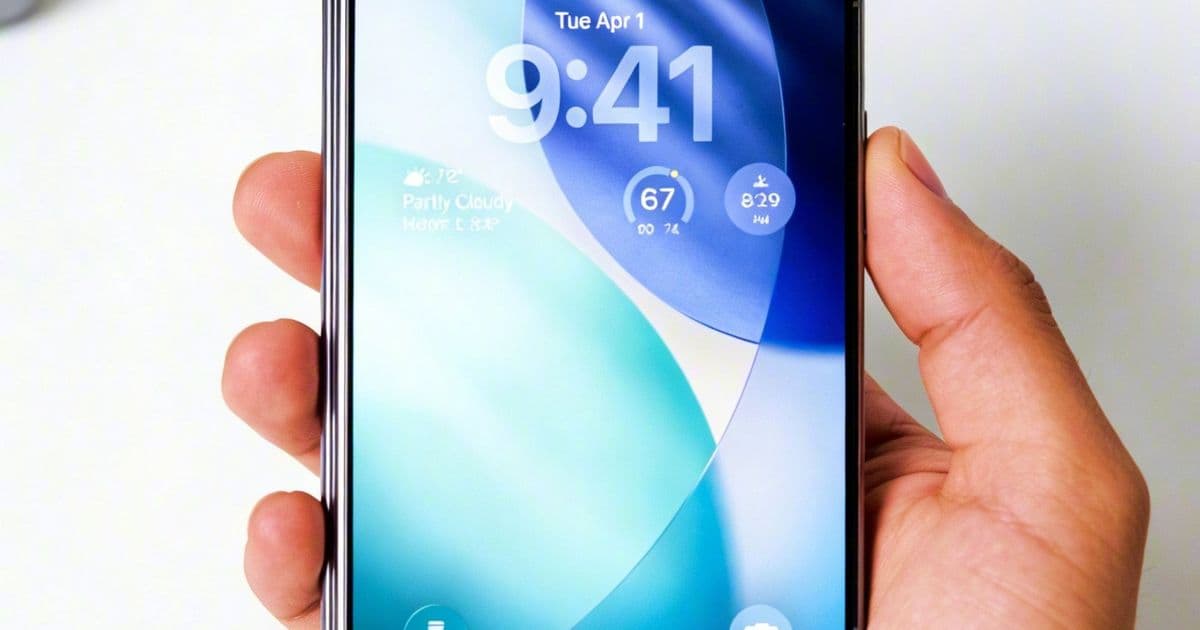
Early design models of Apple's rumored foldable iPhone Ultra have surfaced in a hands-on video, revealing potential design choices, specifications, and pricing details ahead of a possible 2026 launch.
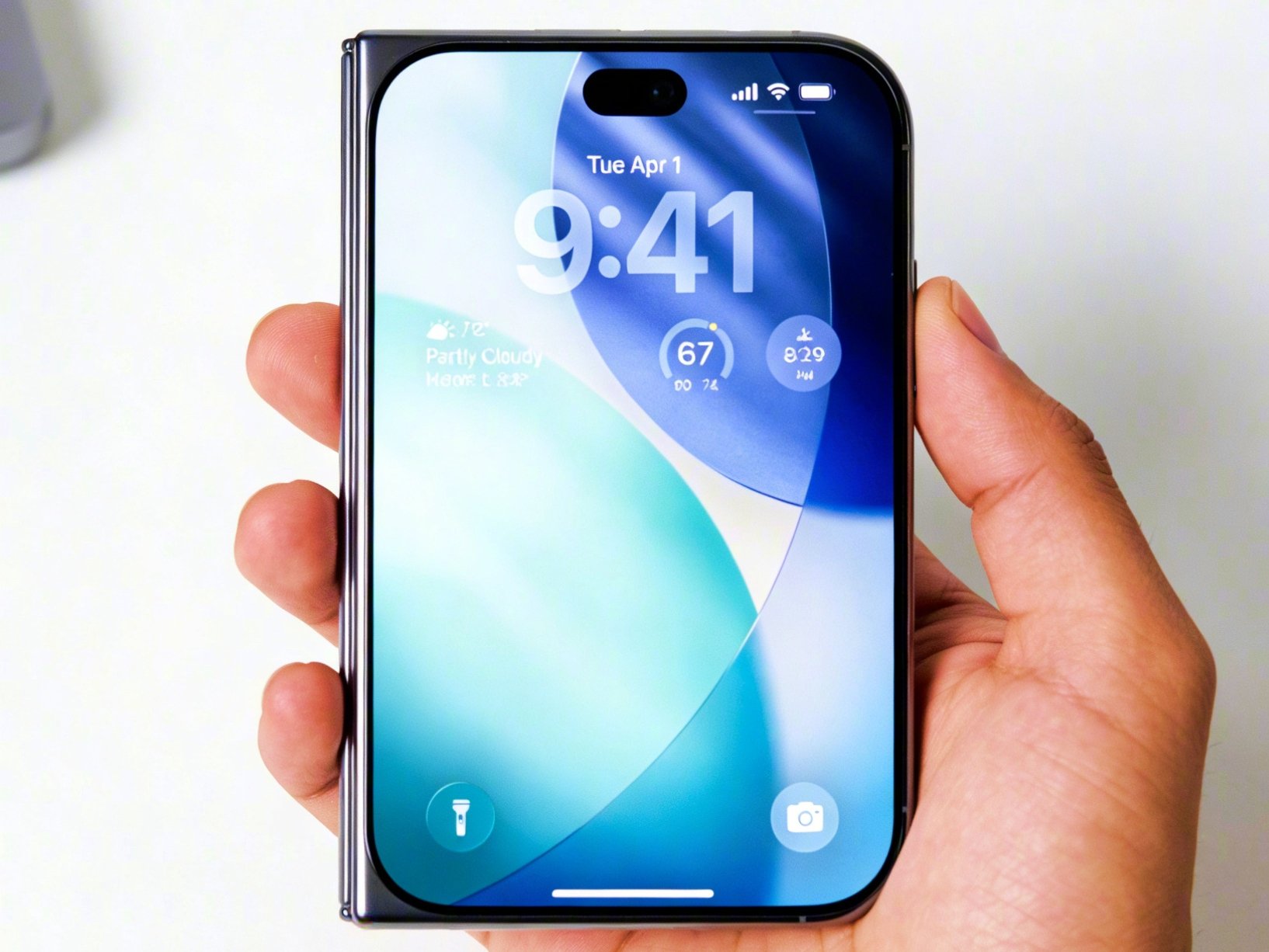
After months of speculation, we now have our most detailed look yet at Apple's rumored foldable iPhone Ultra, thanks to a comprehensive hands-on video from a Chinese factory. The leaked footage shows a design model that, while clearly far from the final product, provides valuable insights into what Apple might be planning for its first foldable device.
What's New: Design and Build Details
The video reveals a device that appears remarkably thin when opened, aligning with previous rumors suggesting a thickness of just 4.5mm. This would make Apple's foldable significantly thinner than current competitors like the Samsung Galaxy Z Fold series, which typically measure around 6mm when unfolded.
Notably, the design model shows volume buttons positioned on the top edge of the device - an unusual placement that would take some getting used to. This contrasts with most smartphones where volume controls are typically located on the right side.
The build appears to combine titanium and aluminum materials, with what the leak describes as a "crease-free" hinge design. This would represent a significant engineering achievement, as current foldable devices from competitors like Samsung and Huawei typically have visible creases where the display folds.
How It Compares to Current Market
When compared to existing foldable smartphones, Apple's approach appears to focus on premium materials and thinness rather than the experimental features seen in some competitors. The rumored 7.8-inch inner OLED display would place it in direct competition with Samsung's Galaxy Z Fold series, though Apple's implementation might offer better color accuracy and brightness based on their display track record.
The inclusion of side-mounted Touch ID is particularly interesting, as it suggests Apple might not be ready to rely solely on Face ID for its foldable device. This could indicate challenges with implementing Face ID in a foldable form factor or a strategic decision to offer biometric redundancy.
Spec-wise, the rumored A20 Pro chip built on TSMC's 2nm process would represent a significant leap forward from current smartphone processors. Combined with 12GB of RAM, this would likely make the foldable iPhone Ultra one of the most powerful smartphones on the market when it launches.
Who It's For: Target Market and Pricing
With an expected starting price of $2,000 or more, Apple's foldable iPhone Ultra would firmly place it in the premium segment of the smartphone market. This pricing would be comparable to Samsung's most expensive foldable devices, positioning Apple as a premium player in the emerging foldable market.
The device would likely appeal to:
- Early adopters and tech enthusiasts who want the latest innovations
- Professionals who need a larger display for productivity but want smartphone portability
- Apple ecosystem users looking for a premium addition to their existing devices
The potential September 2026 launch date suggests Apple is taking a measured approach to foldable technology, learning from competitors' mistakes while ensuring their implementation meets their high standards. The rumored staggered rollout could indicate supply constraints or a desire to carefully manage the launch of a completely new product category.
Competition and Market Context
Apple's entry into the foldable market comes several years after Samsung, Huawei, and other Chinese manufacturers have established the category. However, Apple typically enters new product categories with refinements and improvements that address early shortcomings.
The foldable iPhone would compete directly with:
- Samsung Galaxy Z Fold series (currently the market leader)
- Huawei Mate X series
- Google's upcoming foldable (if it materializes)
- Various Chinese manufacturers like Xiaomi and OPPO
Apple's potential advantage lies in its ecosystem integration, software optimization, and brand prestige. The rumored titanium build and crease-free display could address two of the most common criticisms of current foldable devices.
What to Expect Moving Forward
Given that this is clearly a low-quality design unit, we can expect significant refinements before the final product reaches consumers. The recent high-quality leaks of the iPhone 18 Pro suggest we may see better quality foldable iPhone Ultra models leaking soon if the device is indeed launching alongside the iPhone 18 Pro.
Apple's approach to software for the foldable display will be particularly interesting. Will they adapt iOS specifically for the larger display, or will they create a new interface that takes advantage of the form factor? Competitors have struggled with this balance, often simply stretching their existing interfaces rather than reimagining them for foldable displays.
As we approach the rumored September 2026 launch window, we can expect more leaks to emerge, potentially revealing final design elements, pricing details, and software features. For now, this early look gives us our best glimpse yet at what Apple might have planned for its ambitious entry into the foldable smartphone market.
Comments
Please log in or register to join the discussion