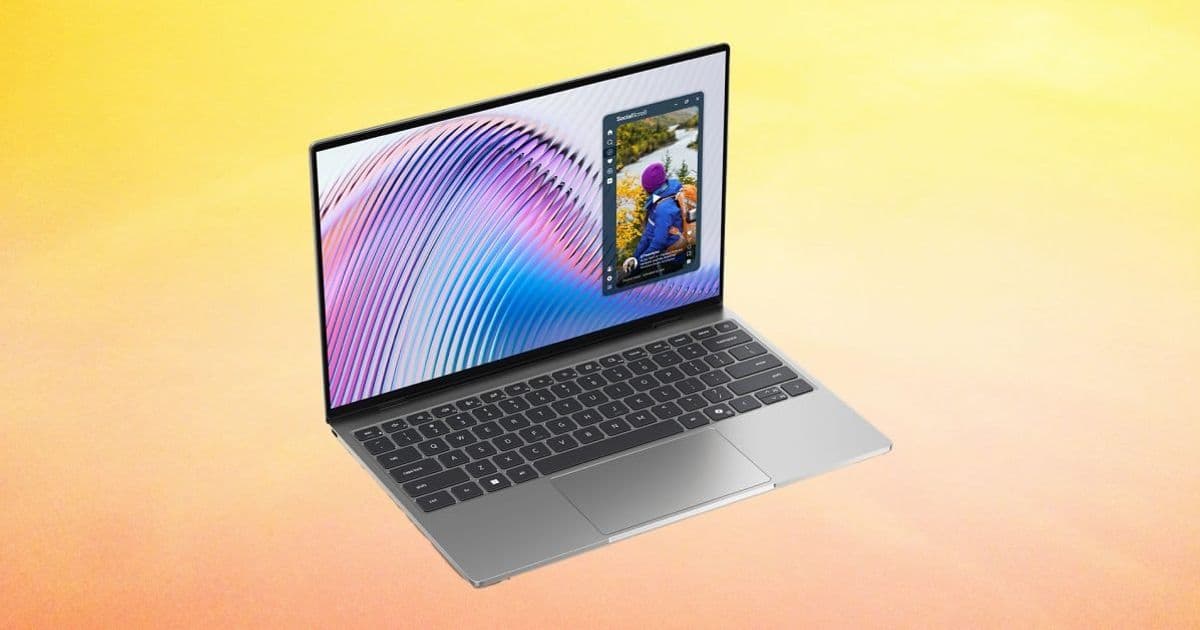
Apple’s $599 MacBook Neo forced Windows makers to rethink low‑cost premium laptops. Dell answered with a thin, aluminum‑body XPS 13 that matches the Neo’s price for students and adds a touchscreen. At the same time Nvidia announced its first consumer‑focused PC processor, RTX Spark, promising AI‑enhanced performance that could challenge Apple Silicon’s lead.
Apple’s surprise $599 MacBook Neo has set a new baseline for premium‑grade laptops at a budget price. The device ships with an M3‑class silicon die, a 13.3‑inch Retina display, and a full‑size aluminum chassis—features that were previously reserved for $1,000‑plus machines. Its launch forced Windows OEMs to confront a market segment that expects high‑end build quality without the premium price tag.
Dell’s XPS 13: a direct competitor at the same price point
Dell’s response arrives as the Dell XPS 13, priced at $599 for students and $699 for the base consumer model. The laptop weighs just 2.2 lb (0.9 kg) and measures 0.5 in (12.7 mm) thick, making it the thinnest XPS in the company’s history. Like the Neo, the XPS 13 uses an aluminum chassis, giving it a premium feel that rivals Apple’s anodized finish.
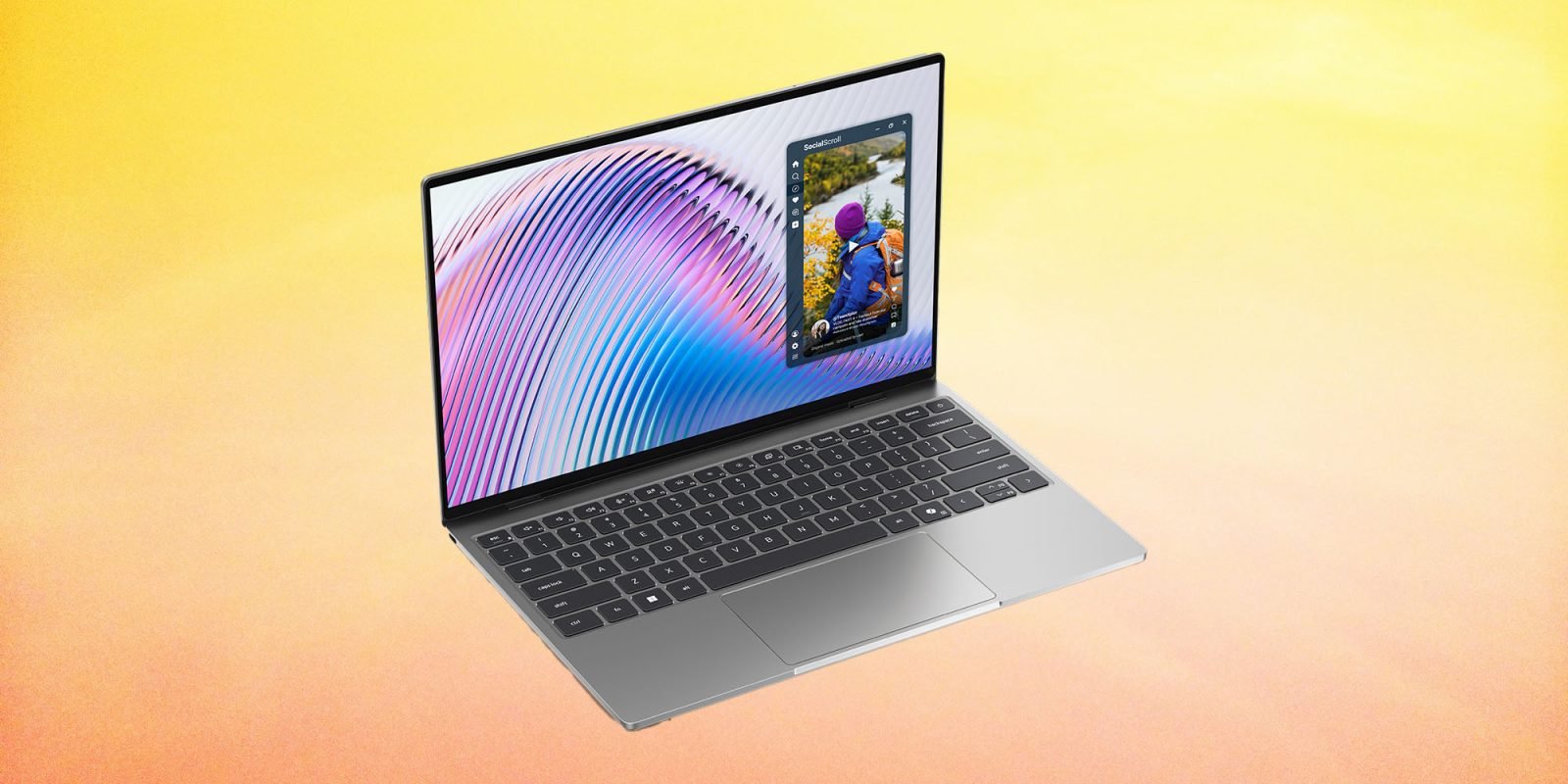
Key specs include:
- 13.3‑inch 3K OLED touchscreen (120 Hz refresh, HDR)
- 12th‑gen Intel Core i5‑13500H with integrated Xe graphics
- 16 GB LPDDR5 RAM, 512 GB NVMe SSD
- Wi‑Fi 7, Thunderbolt 4, and a full‑size HDMI port
- Battery life up to 14 hours (mixed usage)
The inclusion of a touchscreen is a clear differentiator. While the Neo relies on the Apple Pencil ecosystem for stylus input, Dell’s panel works with any active pen, appealing to students and creators who need on‑screen annotation. The price gap is minimal—$100 more for the standard configuration—but Dell offers a $599 student discount, effectively matching Apple’s entry price.
How the XPS 13 fits into Dell’s broader strategy
Dell has been shifting its premium line toward sustainable materials and thin‑and‑light designs. The new XPS 13 uses recycled aluminum for the lid and a liquid‑glass coating that resists fingerprints—details highlighted in Dell’s launch video. By targeting the same price tier as the Neo, Dell hopes to capture budget‑conscious buyers who still want a flagship feel, especially in education markets where bulk purchasing can drive volume.
Nvidia’s RTX Spark: the first consumer‑grade AI‑focused PC chip
While Dell battles on the hardware front, Nvidia announced its RTX Spark chip, marking the company’s first foray into a CPU‑GPU hybrid designed for mainstream PCs. Nvidia describes the part as a “superchip for the era of personal AI agents,” positioning it as a direct competitor to Apple Silicon’s M‑series in both performance and power efficiency.
Architecture at a glance
- Hybrid core design: 8 high‑performance CPU cores (based on the Arm‑v9 ISA) paired with a dedicated Tensor‑core GPU delivering up to 30 TFLOPs of AI compute.
- Unified memory: 24 GB LPDDR5X shared between CPU and GPU, reducing latency for AI workloads.
- AI acceleration: Built‑in Nvidia‑AI Engine supports on‑device inference for voice assistants, image upscaling, and real‑time translation.
- Power envelope: 45 W TDP, comparable to Apple’s M3‑lite, but with a higher peak performance per watt thanks to the GPU’s tensor cores.
The chip will debut in a new line of Windows PCs from Asus, Dell, HP, Lenovo, Microsoft, and MSI slated for the fall. Early benchmarks released by TechPowerUp show the RTX Spark outperforming the M3‑lite in mixed AI‑heavy workloads by roughly 15 %, while staying within the same thermal envelope.
Implications for the Windows ecosystem
Nvidia’s entry blurs the line between traditional CPU‑only designs and the system‑on‑chip (SoC) approach that Apple has championed. Developers can now target a single silicon platform for both general‑purpose code and AI‑accelerated tasks, simplifying cross‑platform optimization. For end users, the promise is longer battery life when running AI‑enhanced apps (e.g., AI‑driven photo editing or real‑time transcription) because the dedicated tensor cores handle those tasks far more efficiently than a general‑purpose CPU.
Ecosystem lock‑in: Will users switch?
Even with comparable hardware, the Apple ecosystem remains a strong retention factor. macOS tightly integrates with iPhone, iPad, Apple Watch, and services like iCloud and AirDrop. Switching to a Dell XPS 13 means moving to Windows 11, which, despite recent improvements, still lacks the seamless hand‑off features that many users rely on daily.
Nvidia’s RTX Spark could shift the conversation, however. If AI‑centric applications become a daily expectation—think on‑device language models, real‑time video enhancement, or personal assistants—users may prioritize raw AI performance over ecosystem convenience. Windows 11’s Copilot integration already leans heavily on AI, and a hardware platform that accelerates those workloads could make the Windows experience feel more “intelligent.”
What this means for Apple
Apple now faces pressure on two fronts:
- Price competition – The Neo forced a $100‑plus price adjustment across the low‑end MacBook line. Dell’s XPS 13 shows that premium materials no longer guarantee a price premium.
- AI performance – Nvidia’s RTX Spark threatens Apple’s lead in on‑device AI. Apple will need to demonstrate that its next‑gen silicon (likely the M4 series) can match or exceed the tensor‑core performance while maintaining its energy efficiency.
Bottom line
Dell’s XPS 13 proves that Windows OEMs can deliver a premium‑grade, sub‑$600 laptop without sacrificing build quality, directly challenging Apple’s MacBook Neo. At the same time, Nvidia’s RTX Spark introduces a new hardware paradigm for consumer PCs, promising AI performance that could narrow the gap with Apple Silicon.
For consumers, the immediate takeaway is more choice: a high‑end aluminum laptop at a student‑friendly price, and a future wave of AI‑powered Windows PCs that may finally rival the seamless experience of macOS. The next few months will reveal whether Apple responds with a price‑adjusted MacBook line or a silicon refresh that reasserts its dominance in AI‑centric performance.
Comments
Please log in or register to join the discussion