
Japanese cable maker Fujikura plans to launch a new fiber‑optic plant in the United States by fiscal 2030, aiming for full output by 2035. The move is driven by soaring AI‑related data‑center construction, which is stretching global supplies of lasers, fiber and related optical components.
Fujikura’s expansion plan
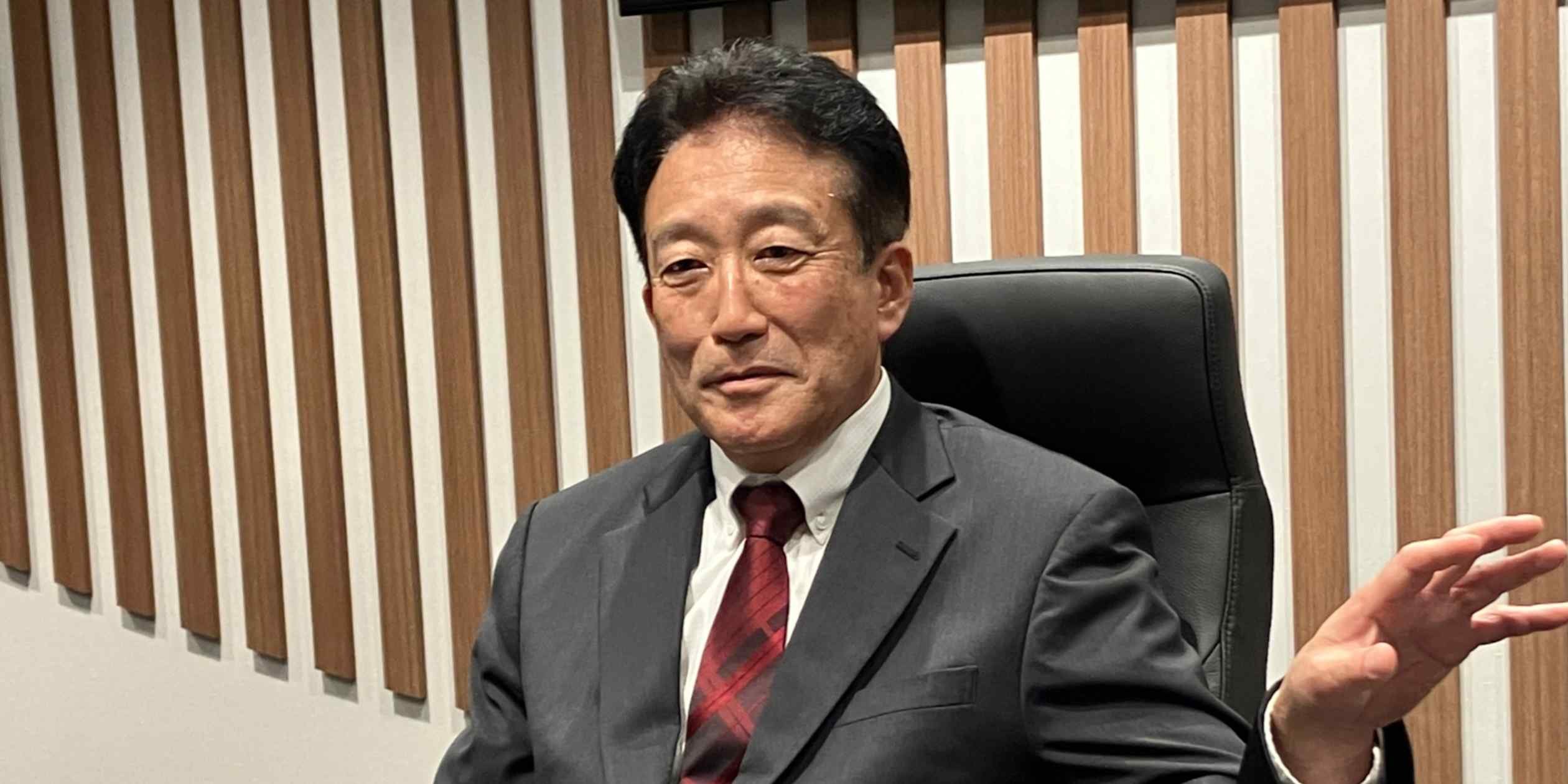
Japanese cable specialist Fujikura Ltd. announced that its U.S. manufacturing facility will start producing fiber‑optic cables for data centers by the end of fiscal 2030, with full‑scale output expected by fiscal 2035. CEO Naoki Okada said the timing aligns with the company’s strategy to secure a stable supply chain for high‑speed plastic fiber that is increasingly required by AI‑focused data centers.
Market context
The global AI market is projected to exceed $1.5 trillion in revenue by 2030, according to IDC. A large share of that growth is tied to the construction of hyperscale data centers, which consume up to three times more optical bandwidth than traditional facilities. Recent reports from the Optical Society indicate that worldwide demand for fiber‑optic cable will rise at a compound annual growth rate (CAGR) of 12 % through 2035, outpacing the overall telecom equipment market.
Supply constraints have already emerged. Major laser manufacturers such as IPG Photonics and Coherent have reported order backlogs of 18‑24 months, while fiber‑optic manufacturers in East Asia are operating near capacity. Fujikura’s decision to locate production in the United States therefore serves two purposes: it shortens the logistics chain for North‑American data‑center operators and provides a hedge against geopolitical risk that could disrupt Asian export flows.
Strategic implications
- Revenue upside – Fujikura’s FY2025 revenue stood at ¥820 billion (≈ $5.4 billion). The U.S. plant is expected to add ¥120 billion in annual sales by FY2035, representing a 15 % uplift to the top line.
- Cost structure – By sourcing raw materials domestically, Fujikura can reduce freight and customs expenses, which have risen 8 % year‑on‑year for Asian exporters to the U.S.
- Competitive positioning – Competitors such as Corning and Prysmian are also expanding U.S. capacity, but Fujikura’s focus on plastic‑core fiber—lighter and cheaper to produce than glass—gives it a cost advantage in the price‑sensitive AI‑data‑center segment.
- Hydrogen procurement – Okada mentioned a parallel initiative to secure green hydrogen for plant operations, aligning the project with ESG targets and potentially qualifying for U.S. tax credits under the Inflation Reduction Act.
What it means for the industry
Fujikura’s move underscores the accelerating shift of the optical‑component supply chain toward the United States. Data‑center developers like Amazon Web Services, Microsoft Azure and Google Cloud will likely favor suppliers with local production capabilities to meet latency and reliability requirements. The investment also signals that Japanese manufacturers are willing to allocate capital to mitigate supply‑chain volatility, a trend that could inspire similar projects in Europe and Southeast Asia.
For investors, Fujikura’s expansion offers a clear growth narrative: a defined timeline, quantifiable revenue targets and alignment with macro‑level AI demand. Analysts will watch the plant’s ramp‑up closely, especially the first‑year output versus the projected ¥120 billion contribution, to gauge whether the company can translate market demand into sustainable earnings.
Sources: Fujikura press release (June 2 2026), IDC AI market forecast, Optical Society fiber demand report, U.S. Inflation Reduction Act guidelines.
Comments
Please log in or register to join the discussion