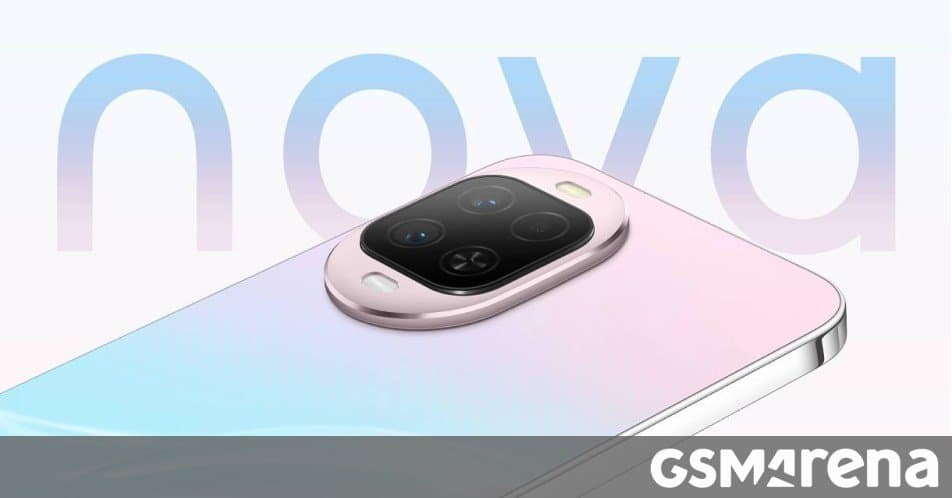
Huawei’s nova 16z is essentially a nova 15 refreshed with satellite‑messaging via China’s BeiDou network, a 6 000 mAh battery and 100 W charging, while retaining the same display, camera suite and Kirin 8020 processor.
Announcement
Huawei unveiled a new member of its nova line – the nova 16z – alongside the flagship nova 16, 16 Pro and 16 Ultra. Rather than being a completely new design, the 16z is a modest refresh of last year’s nova 15, with the most noticeable addition being BeiDou satellite messaging for text and photo messages in areas without cellular coverage.
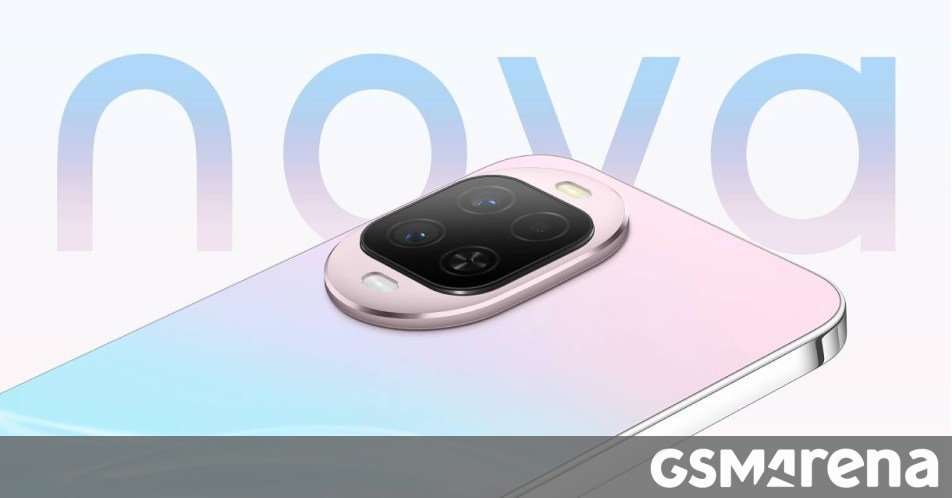
Key features
| Feature | Specification |
|---|---|
| Display | 6.7‑inch OLED, 1084 × 2412 px, 10‑bit colour, aluminosilicate glass (non‑LTPO) |
| Processor | Kirin 8020 (8‑core, 2.5 GHz max) – same SOC used in the standard nova 16 |
| Memory / Storage | 12 GB RAM, 256 GB or 512 GB UFS 3.1 |
| Cameras | Rear: 50 MP main (f/1.9), 12 MP 3× telephoto (RYYB, f/2.4, OIS); Front: 50 MP selfie (f/2.4) |
| Battery & Charging | 6 000 mAh, 100 W wired “SuperCharge” (no wireless charging) |
| Connectivity | Dual‑band Wi‑Fi 7, Bluetooth 6.0, StarFlash (Huawei’s proprietary Bluetooth), NFC, USB‑C (USB 2.0 data only) |
| Positioning | Tri‑band BeiDou + dual‑band GPS/Galileo |
| Satellite messaging | BeiDou‑based text and photo messaging, emergency SOS, weather queries |
| Fingerprint sensor | Side‑mounted optical sensor |
| Colors | Iridescent Mother of Pearl, White Sky, Starry Night Black |
| Price (China) | CNY 2 700 (12 GB/256 GB) ≈ $400/€345; CNY 3 200 (12 GB/512 GB) ≈ $475/€405 |
Satellite messaging explained
BeiDou, China’s global navigation satellite system, now offers a low‑bandwidth data channel that can carry short text packets and compressed images. The nova 16z integrates a dedicated radio that can “ping” the satellite network when no cellular towers are reachable. Users can compose a message in the HarmonyOS messaging app, hit “Send via Satellite,” and the phone will transmit the payload to the nearest BeiDou satellite, which then relays it to a ground station and on to the recipient’s regular network. The same path works in reverse, allowing inbound messages even in remote mountain valleys or open seas.
The feature is limited to emergency‑type use cases – SOS alerts, weather checks, and short personal messages – and is capped at a few kilobytes per transmission to conserve satellite bandwidth. Nonetheless, it adds a safety net for hikers, sailors, or anyone who frequently ventures beyond 4G/5G coverage.
How it fits into Huawei’s ecosystem
The nova 16z runs HarmonyOS 4, which means it can seamlessly share content with other Huawei devices – tablets, laptops, and the new Watch GT 4 – via the Multi‑Screen Collaboration feature. Satellite messaging is exposed as a system‑wide option, so third‑party apps can request the same channel (subject to Huawei’s permission model). This keeps the user experience consistent across the brand’s ecosystem, even though the hardware itself is a modest iteration.
Trade‑offs and lock‑in considerations
While the addition of satellite messaging is a clear differentiator, the phone does not bring a newer chipset. The Kirin 8020 is a solid mid‑range processor but lags behind the Snapdragon 8 Gen 3 found in many competing 2026 flagships. Moreover, the USB‑C port is limited to USB 2.0 speeds, which will feel sluggish when transferring large video files to a PC.
From an ecosystem perspective, the nova 16z is China‑only. Huawei does not ship a global version with Google Mobile Services, and the satellite feature relies on BeiDou, which may have limited regulatory approval in some regions. Users outside China would need to rely on the standard cellular network for everyday use, making the device less attractive for international buyers.
Ecosystem context
Huawei’s nova series has become a testing ground for incremental innovations that later filter up to the flagship P and Mate lines. The satellite‑messaging capability first appeared on the nova 16 Ultra and the Mate 70 Pro, and now trickles down to a more affordable tier. This strategy mirrors how Apple introduced Emergency SOS via satellite on the iPhone 14 Pro and later extended it to the iPhone 15 Mini.
By keeping the core hardware identical to the nova 15, Huawei can price the 16z competitively while still promoting a unique selling point. The move also reinforces the company’s commitment to building a self‑contained ecosystem – hardware, OS, and services – that does not depend on U.S. suppliers.
For more details on Huawei’s satellite messaging, see the official HarmonyOS documentation.
Comments
Please log in or register to join the discussion