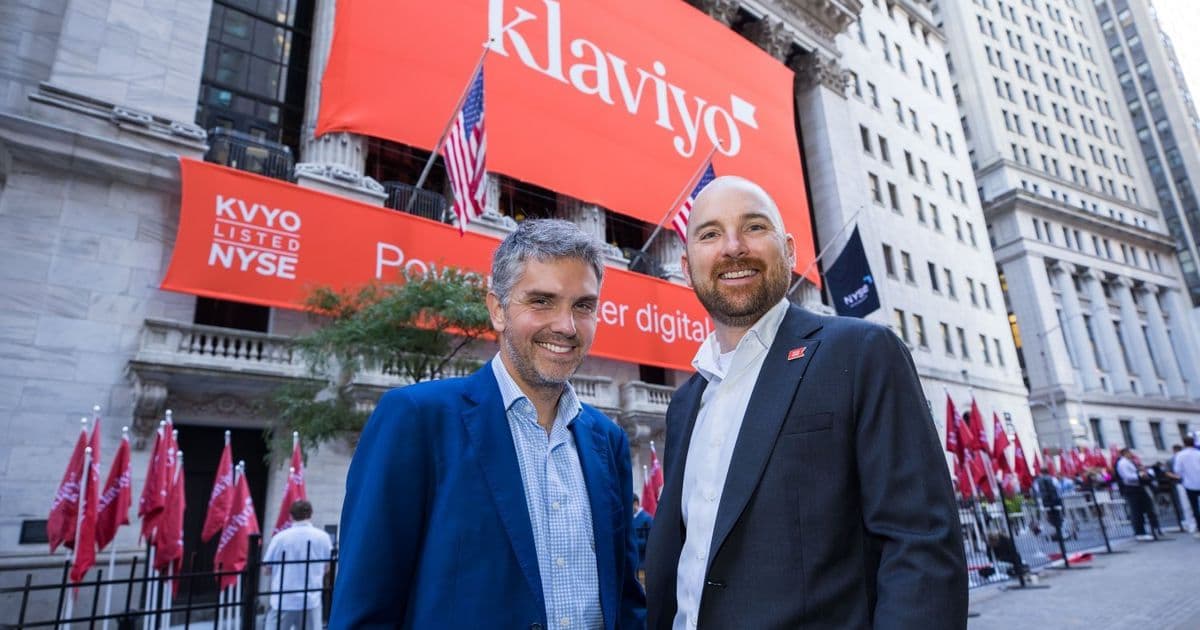
Klaviyo co-founders Ed Hallen and Andrew Bialecki donate $6 million to MIT's delta v accelerator, enabling increased funding and expanded mentorship for student entrepreneurs leveraging AI to build impactful ventures.
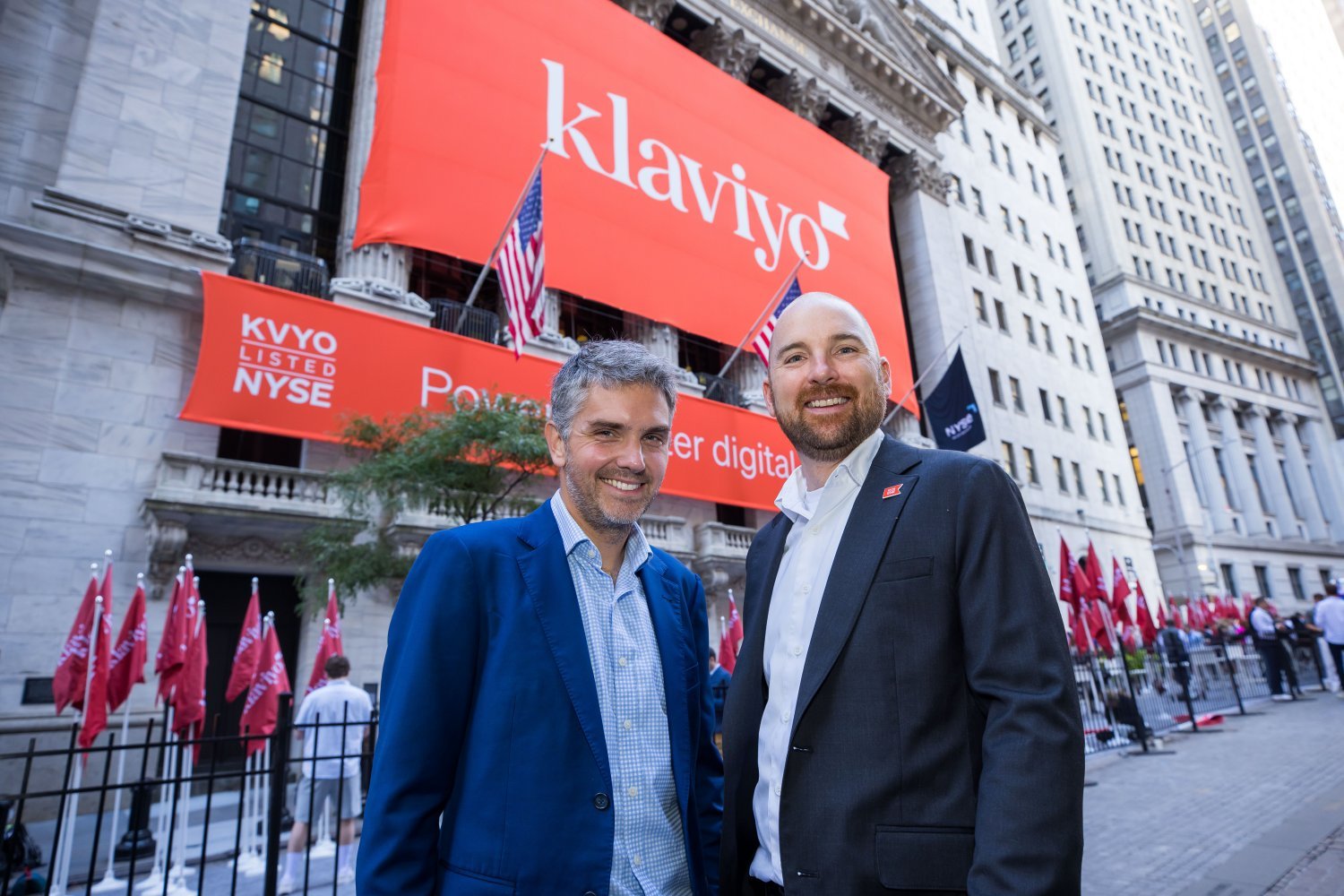
Two of Boston's most successful tech entrepreneurs are fueling the next generation of MIT startups with a transformative $6 million gift to the university's flagship entrepreneurship accelerator. Ed Hallen MBA '12 and Andrew Bialecki, co-founders of customer relationship management giant Klaviyo, have committed the funding to dramatically expand the delta v program run by MIT's Martin Trust Center for MIT Entrepreneurship.
The timing couldn't be more critical. As artificial intelligence reshapes how companies operate and how students learn entrepreneurship, MIT is experiencing unprecedented demand from students eager to build impactful ventures during their time on campus. The Trust Center recognized this shift and spent months consulting with stakeholders to reimagine how delta v could better serve this new generation of AI-enabled founders.
"In the early days of Klaviyo, we learned almost everything by building, testing assumptions, making mistakes, and figuring things out as we went," Hallen explains. "MIT delta v creates that same learning-by-doing environment for students, while surrounding them with mentorship and resources that help founders build with clarity and momentum."
Bialecki emphasizes Boston's unique position in this ecosystem. "Boston is a hub of innovation with ambitious students and a strong community of builders. MIT delta v plays a critical role in developing founders early, not just helping them start companies but helping them build companies that last."
Scaling the Accelerator for an AI-Driven Era
The $6 million gift enables several transformative changes to the delta v program:
Substantially increased funding: Student teams can now receive up to $75,000 in equity-free funding during the program, a dramatic increase from the previous $20,000. This capital infusion allows founders to focus on building rather than fundraising during the critical early stages.
Expanded mentorship network: Delta v is introducing a partner model featuring leading founders from companies like HubSpot, Okta, and Kayak, alongside C-suite operators, subject matter experts, and early-stage investors. This expanded network provides students with unprecedented access to real-world expertise.
AI-focused curriculum: Recognizing that AI is fundamentally changing how companies are built, the program will emphasize frameworks and tools that leverage these new capabilities while maintaining the disciplined entrepreneurship approach that has made delta v successful.
Proven Track Record, Exponential Growth
The impact of delta v alumni already demonstrates the program's effectiveness. In recent years, MIT-founded startups like Cursor and Delve have achieved explosive growth by using AI as a core component of their business models. Other delta v alumni such as Klarity and Reducto are building software-as-a-service platforms powered by AI tools, while Vertical Semiconductor addresses critical infrastructure needs for today's computing demands.
Bill Aulet, managing director of the Trust Center and the Ethernet Inventors Professor of the Practice, reflects on the founders' journey: "I remember when Ed and Andrew were giving birth to Klaviyo at the Trust Center. Through their ingenuity and drive, they have created an iconic tech company here in Boston with the support of our ecosystem."
The numbers speak volumes about delta v's success: companies founded by program alumni have achieved a five-year survival rate of 69% and have raised well over $3 billion in funding. Perhaps most impressively, 89% of these ventures directly align with the UN Sustainable Development Goals, addressing global challenges in healthcare, climate, finance, and the future of work.
Building the Next Generation of Impact
MIT Provost Anantha Chandrakasan emphasizes the strategic importance of this investment: "The AI revolution is creating exciting new opportunities for MIT students to build the next wave of impactful companies, and the delta v accelerator is a perfect vehicle to help them make that happen."
Ana Bakshi, executive director of the Trust Center, frames the broader mission: "MIT delta v is about creating belief in our most exceptional entrepreneurial talent — and turning that belief into consequential impact for the world. By supporting early-stage founders who take bold ideas from improbable to possible, we help them build companies that matter."
The program's alumni network reads like a who's who of successful tech companies, including Okta, HubSpot, PillPack, Honey, WHOOP, and Biobot Analytics, spanning industries from biotech and climate solutions to AI, healthcare, fintech, and consumer software.
Join the Next Cohort
Applications for the summer 2026 delta v cohort open March 1 and close April 1, with teams announced in May. The program represents a unique opportunity for MIT students to leverage world-class mentorship, substantial funding, and proven frameworks to build ventures that can scale globally.
As Richard M. Locke, John C Head III Dean at the MIT Sloan School of Management, notes: "The delta v program is a great example of how MIT students dedicate their energy to starting a venture, connect with mentors, and incorporate proven frameworks for disciplined entrepreneurship."
This $6 million gift from Hallen and Bialecki doesn't just fund a program—it accelerates a movement. By investing in the entrepreneurs who will build the next generation of AI-powered companies, they're ensuring that Boston remains at the forefront of innovation while empowering students to tackle the world's most pressing challenges through entrepreneurship.
Comments
Please log in or register to join the discussion