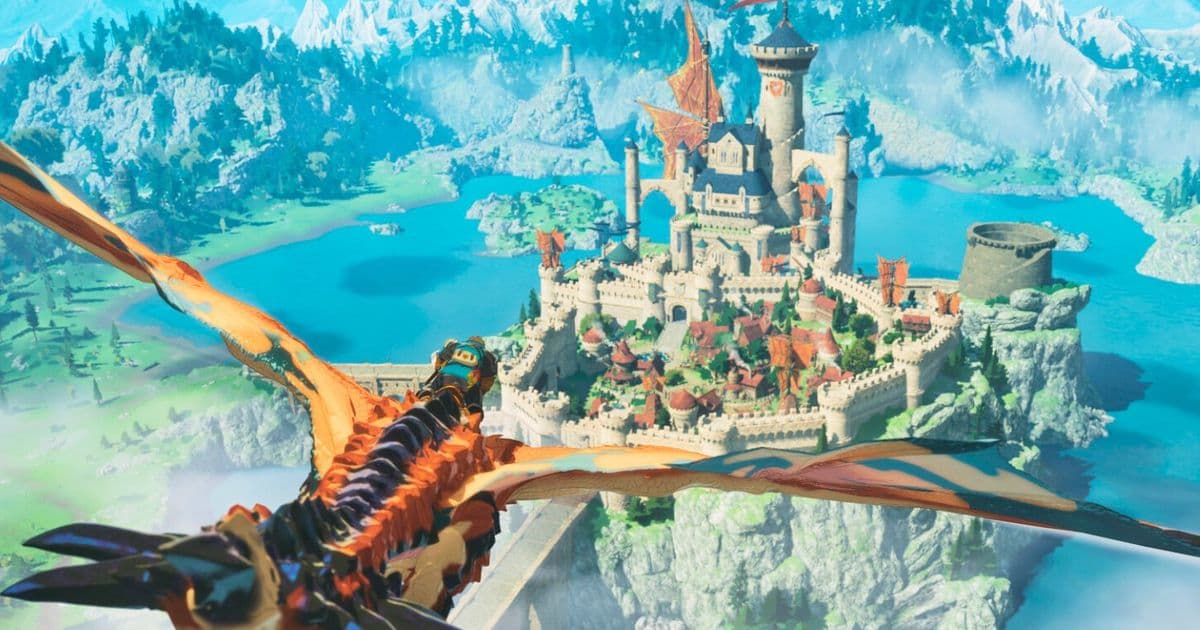
Capcom's Monster Hunter Stories 3: Twisted Reflection debuts globally with 74% Steam rating, introducing habitat restoration mechanics while removing multiplayer PvP to create a more narrative-driven experience.
Capcom's turn-based RPG spinoff returns with its third installment, Monster Hunter Stories 3: Twisted Reflection, which launched globally on March 13, 2026, across PC, PS5, Xbox Series X|S, and the Nintendo Switch 2. The game follows a "Ranger" protagonist investigating a collapsing world after the birth of twin Rathalos - creatures previously believed extinct.
Performance and Technical Specifications
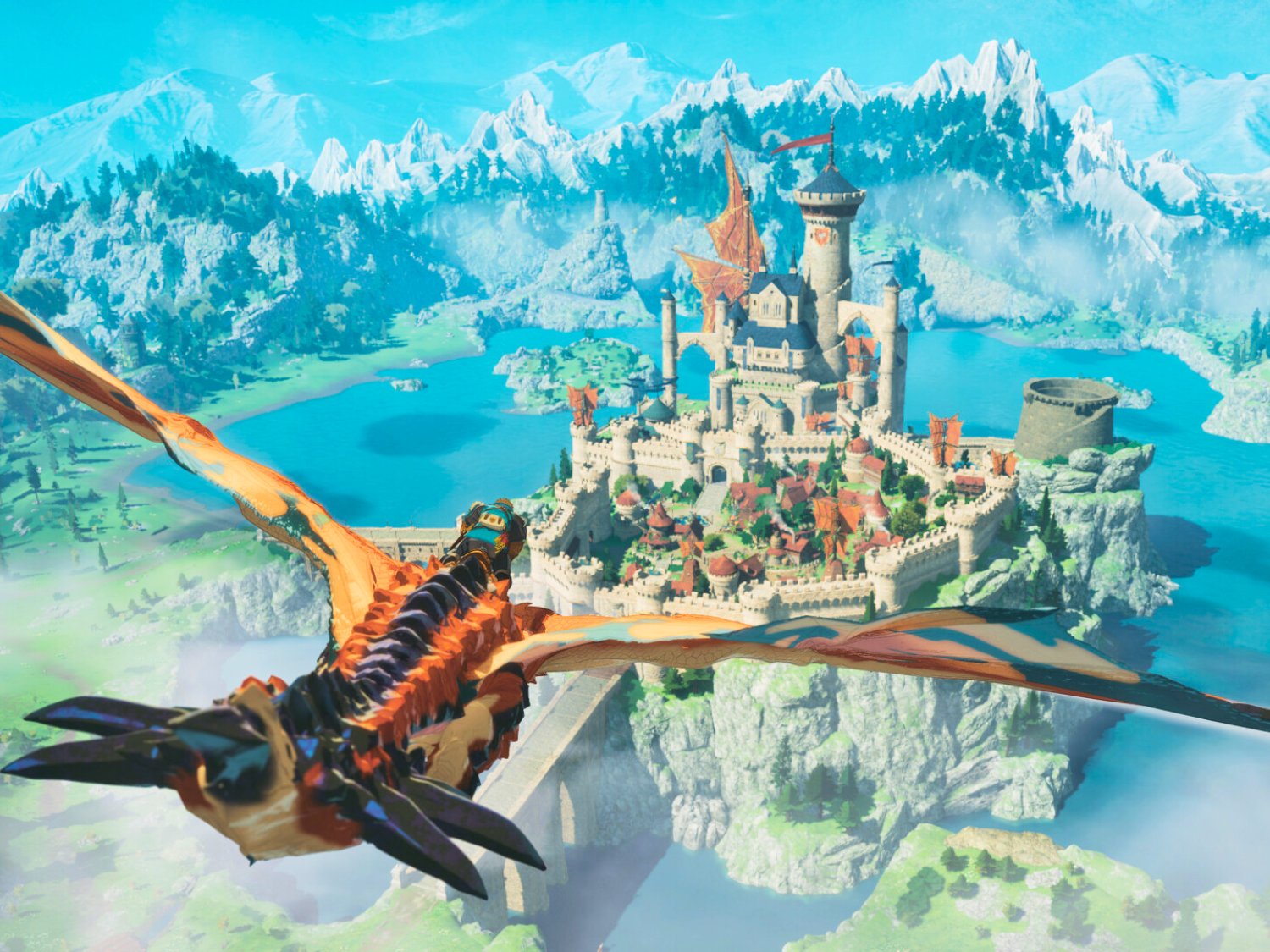
The game represents the most visually ambitious entry in the Stories sub-series, built using Capcom's RE Engine (originally created in 2014 for Resident Evil 7). Players can expect 4K resolution at 60 FPS on high-end PC hardware and PS5, while the Nintendo Switch 2 targets a stable 30 FPS experience.
Storage requirements are substantial at 50 GB, with Capcom recommending SSD installation for smooth biome transitions. The game supports full audio and interface localization in 14 languages, including English and Japanese.
Gameplay Duration and Pricing
Main campaign completion requires approximately 40-50 hours, though dedicated players can extend their experience beyond 100 hours through post-game content. The Standard Edition retails for $69.99 (£54.99), with Deluxe and Premium Deluxe bundles priced up to $89.99.
Story and Setting
Set 200 years after a catastrophic civil war, the narrative unfolds across the countries of Azuria and Vermeil. The game introduces Rudy as a new companion character, replacing the talkative Felyne Navirou from previous entries. Rudy offers a more subdued presence with customizable "layered armor" sets.
Habitat Restoration System
A major innovation in Twisted Reflection is the Habitat Restoration feature. Players can defeat "Feral Monsters" and establish campsites, then release hatched monsters back into the wild to improve an area's ecosystem rank. Achieving "S" rank in a habitat provides significant buffs to all monsters of that species in your party and can trigger dual-element mutations - for example, creating a water-attuned Rathian.
The Multiplayer Controversy
The game's most polarizing decision involves removing traditional multiplayer functions entirely. By eliminating PvP modes, developers have created more powerful player skills and "Monsties," but this change has frustrated long-time fans of the series' competitive meta.
This single-player focus represents a fundamental shift in design philosophy. At $69.99, the game essentially asks fans to trade their online community for a more self-sufficient, adult-oriented narrative experience. While players who value narrative depth and complex ecosystem management will appreciate the added complexity, the absence of competitive multiplayer removes the urgency typically driving early adoption.
The 74% positive Steam rating reflects this divided reception, with the polarized community response centered primarily on the multiplayer removal rather than the game's mechanical improvements or expanded monster habitats.
For players seeking a more contemplative Monster Hunter experience with deeper ecological systems and narrative weight, Twisted Reflection delivers substantial content. However, those who enjoyed the series' competitive multiplayer elements may find the $70 price tag harder to justify without the traditional online community features.
Comments
Please log in or register to join the discussion