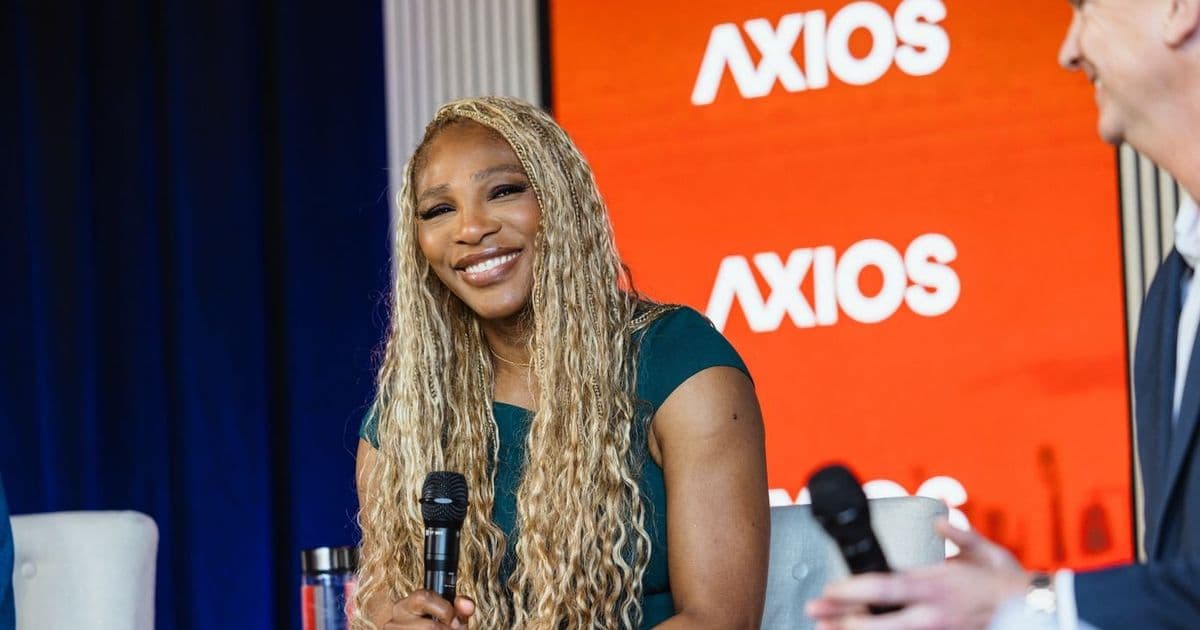
Tennis legend Serena Williams reveals how compelling narratives help founders secure funding and build investor relationships at SXSW 2026
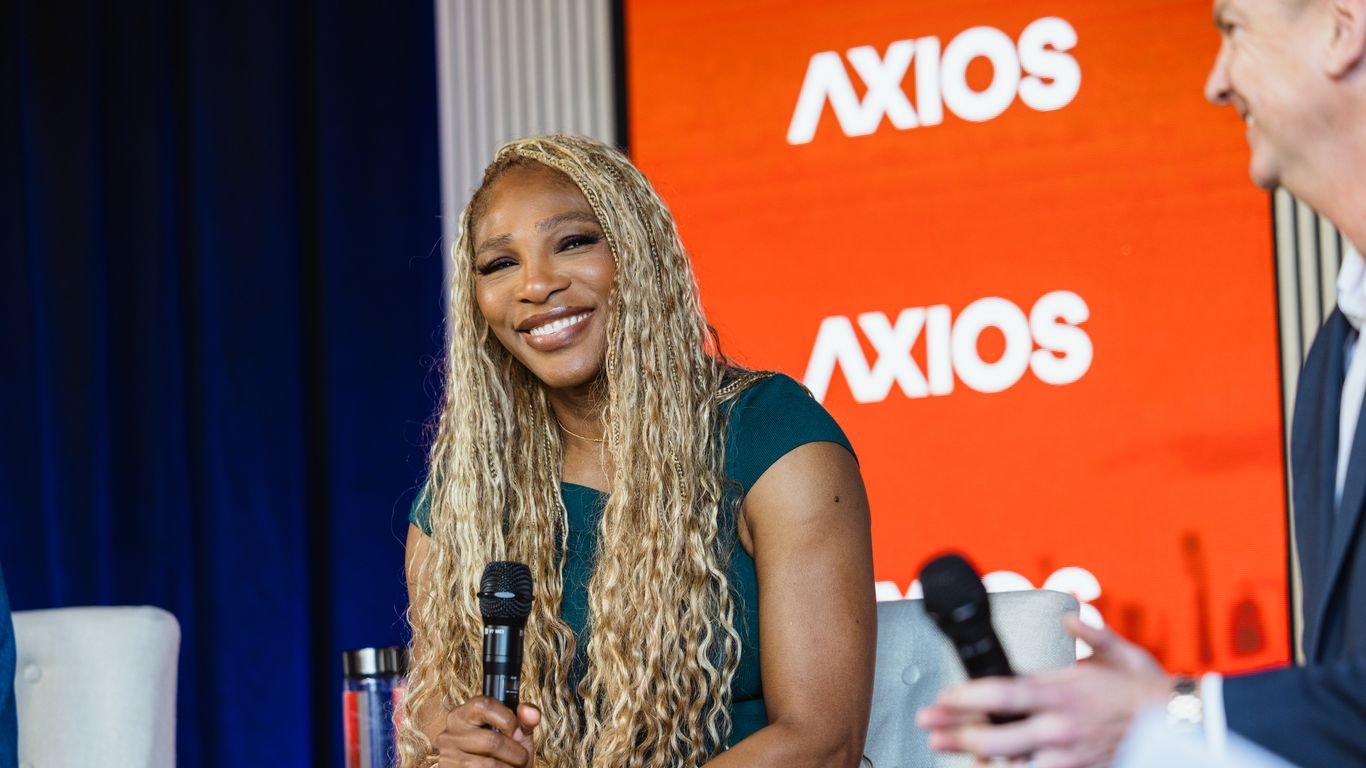
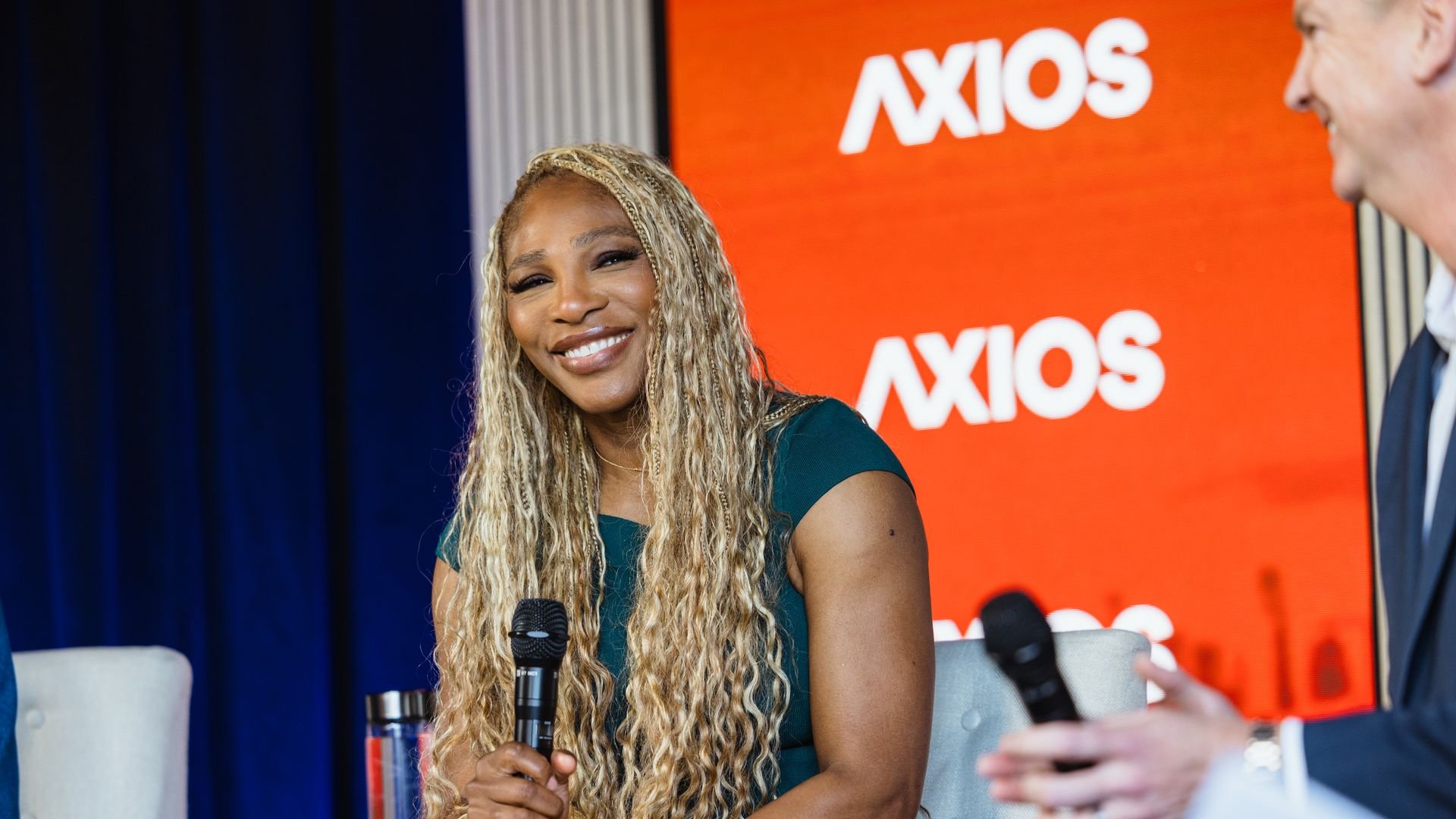
Former tennis champion Serena Williams emphasized the critical role of storytelling in startup fundraising during a keynote at Axios House at SXSW 2026, arguing that founders who master narrative craft gain a decisive advantage in securing investor backing.
Williams, who has invested in over 30 companies through her venture capital firm Serena Ventures, shared insights from her dual perspective as both athlete and investor. The tennis icon stressed that technical excellence alone rarely wins over investors—founders must connect emotionally and articulate a vision that resonates beyond spreadsheets.
"The best founders I've backed aren't just brilliant at their craft," Williams explained. "They can make you feel their mission. They can make you see the future they're building."
Drawing from her sports background, Williams compared effective pitching to championship performance: both require preparation, authenticity, and the ability to perform under pressure. She noted that investors often make decisions based on gut feeling as much as data, particularly in early-stage investing where metrics may be limited.
The Investor's Perspective The former world No. 1 highlighted common mistakes founders make when approaching investors. Many focus exclusively on product features or market size without addressing the human element—why they're building what they're building and why now matters.
Williams pointed to her portfolio companies where founders successfully leveraged personal stories to secure funding. Whether it's overcoming adversity, identifying a personal pain point, or demonstrating unwavering commitment to a vision, these narratives create memorable impressions that differentiate startups in crowded funding landscapes.
Beyond the Pitch Deck Beyond initial fundraising, Williams emphasized that storytelling remains crucial throughout a company's lifecycle. Strong narratives help attract talent, build customer loyalty, and maintain momentum through inevitable challenges. Founders who can articulate their journey authentically tend to build more resilient organizations.
She cited examples from her investments where compelling origin stories translated into market advantages—customers feeling connected to a brand's mission, employees rallying around shared purpose, and media coverage that amplified the company's message.
Practical Storytelling Frameworks Williams offered practical advice for founders looking to improve their storytelling:
- Start with the "why" before the "what"
- Incorporate personal experiences that shaped the business idea
- Use concrete examples rather than abstract concepts
- Practice delivery until it feels natural, not rehearsed
- Be prepared to adapt the story for different audiences
The venture capitalist noted that effective storytelling doesn't mean manufacturing drama or exaggerating achievements. Instead, it's about finding the authentic throughline that connects a founder's experiences, motivations, and vision.
Market Context Williams' emphasis on storytelling comes amid a challenging fundraising environment where investors are more selective than during the 2021 boom. With venture capital becoming increasingly competitive, founders need every advantage to stand out. Her advice suggests that technical superiority alone may not suffice—the ability to communicate vision and build relationships could determine which startups survive and thrive.
What This Means for Founders For entrepreneurs preparing for fundraising, Williams' insights suggest allocating significant time to craft and refine their narrative alongside product development. This includes:
- Documenting the founding story and key milestones
- Identifying the emotional core of the business
- Practicing storytelling with mentors and peers
- Gathering customer testimonials that reinforce the narrative
- Creating content that extends the company's story beyond investor meetings
The Serena Ventures Approach Williams' venture firm, Serena Ventures, has invested in companies like MasterClass, Daily Harvest, and Noom. The firm's website emphasizes backing diverse founders and companies with "big ideas"—criteria that align with her SXSW messaging about the importance of vision and narrative.
Her transition from sports to business investing illustrates the very storytelling principles she advocates. Williams has successfully repositioned herself from tennis champion to venture capitalist by authentically connecting her athletic discipline and competitive drive to her business philosophy.
Looking Ahead As AI and automation increasingly handle technical due diligence, Williams suggests that human elements like storytelling may become even more valuable in investment decisions. Founders who can articulate their vision compellingly while demonstrating authentic commitment to their mission may find themselves with a significant edge in securing funding and building lasting companies.
The tennis legend's advice serves as a reminder that in an era of abundant technical talent and innovative ideas, the ability to tell a compelling story might be the ultimate differentiator for startup success.
Comments
Please log in or register to join the discussion