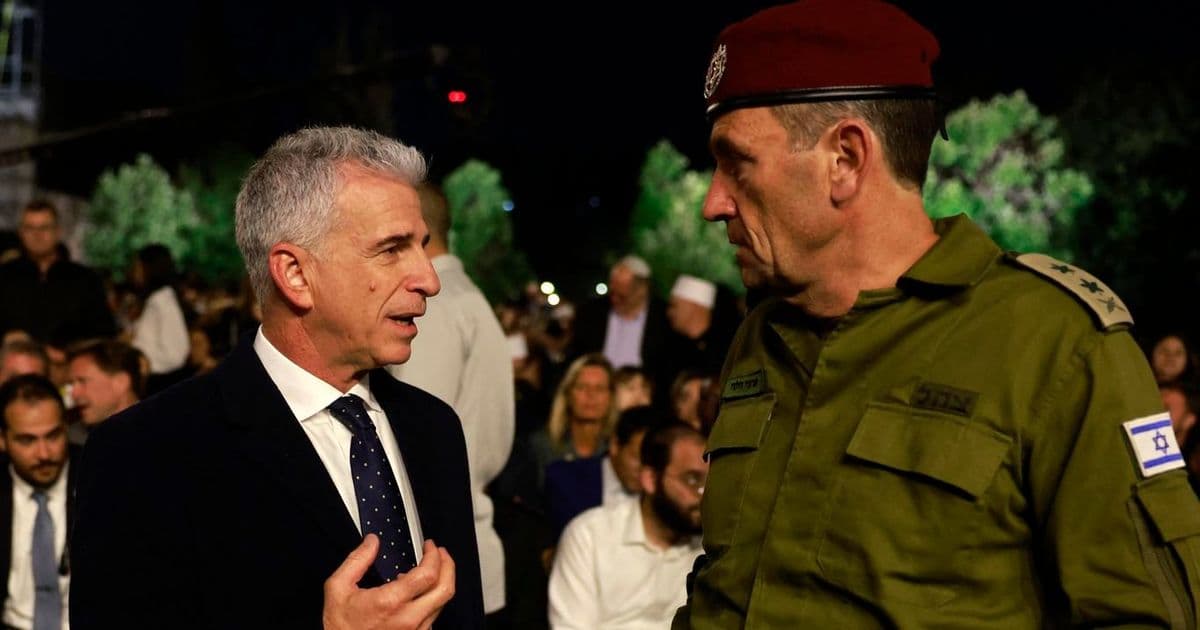
Mossad Director David Barnea is in Washington for high-level consultations with U.S. officials on Iran policy, reflecting the ongoing intelligence and strategic coordination between the two allies amid heightened regional tensions.
Mossad Director David Barnea arrived in Washington, D.C., this week for a series of classified consultations with senior U.S. intelligence and national security officials, according to sources familiar with the matter. The visit, first reported by Barak Ravid, underscores the deep and continuous intelligence-sharing partnership between Israel and the United States, particularly concerning Iran's nuclear program and regional activities.
The timing of Barnea's visit is significant. It follows recent escalations in the Middle East, including Iran's direct missile and drone attacks on Israel in April and the ongoing shadow war between the two nations. The consultations are expected to focus on Iran's advancing nuclear capabilities, its support for proxy groups like Hezbollah and the Houthis, and potential avenues for coordinated diplomatic and intelligence responses. The U.S. and Israel have maintained a joint intelligence cell specifically dedicated to monitoring Iran's nuclear program for years, a structure that has likely been a key agenda item for these talks.
For the United States, the visit provides a direct channel to assess Israeli intelligence assessments and align strategies as the Biden administration navigates its own policy toward Tehran. For Israel, it is an opportunity to ensure its security concerns are fully communicated and integrated into U.S. planning, especially as Washington engages in indirect talks with Iran through intermediaries. The relationship, while robust, has seen friction over the years, particularly regarding the 2015 nuclear deal (JCPOA) and recent U.S. pressure for restraint in Gaza. However, the shared threat perception regarding Iran remains a bedrock of the alliance.
The strategic implications of this coordination are substantial. A unified intelligence picture allows for more effective countermeasures against Iranian cyber operations, missile proliferation, and covert activities. It also influences broader regional dynamics, affecting how both nations engage with partners in the Gulf and Europe. The outcome of these consultations could shape the next phase of policy, whether that involves intensified sanctions, enhanced defensive measures, or a renewed push for a diplomatic framework to curb Iran's nuclear ambitions. The visit highlights that despite public disagreements, the operational and strategic dialogue between the two allies on the Iranian file remains a critical and ongoing pillar of their relationship.
Comments
Please log in or register to join the discussion