The conflict between the U.S. and Iran has intensified dramatically, with six American service members killed and civilian aircraft avoiding the region's airspace as governments close their skies amid escalating strikes.
The conflict between the United States and Iran has reached a critical juncture, with six U.S. service members killed in recent operations as the death toll continues to climb. The escalation has prompted regional governments to close their airspace, forcing civilian aircraft to reroute and avoid Iranian and Iraqi territories.
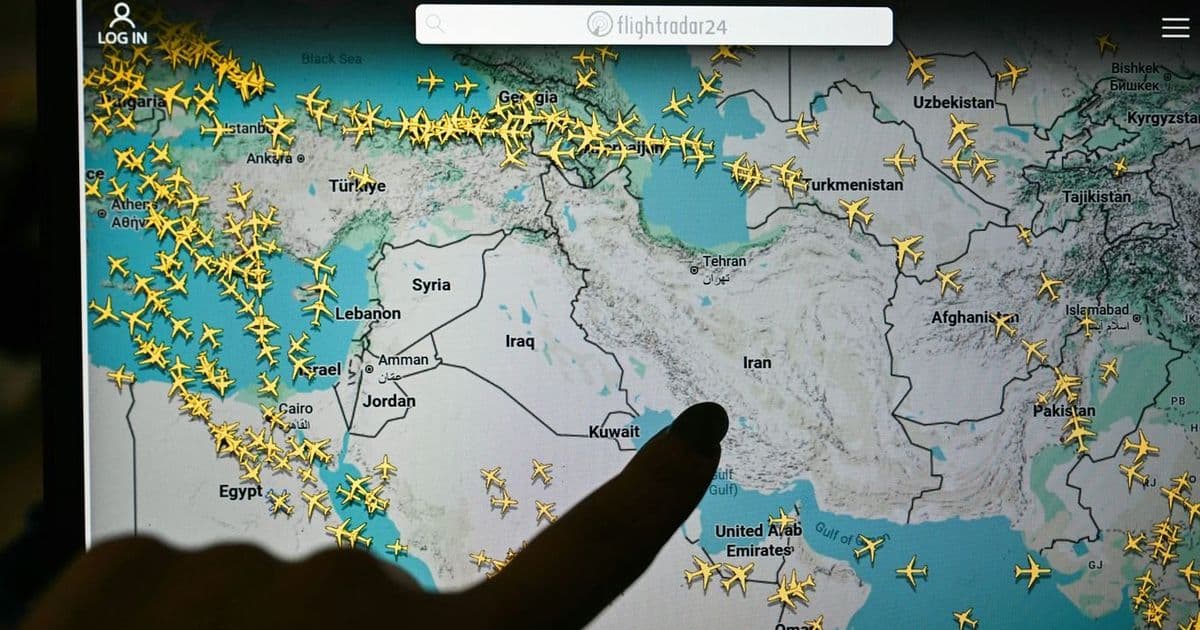
A Flightradar24 map from March 1 shows the dramatic impact on commercial aviation, with flights visibly detouring around the conflict zone. This airspace closure represents a significant disruption to international travel and trade routes that typically pass through the region.
The latest casualties mark a significant escalation in what has been a simmering conflict between the U.S.-Israel alliance and Iran. The exact circumstances of the service members' deaths have not been fully disclosed, but military officials have confirmed the fatalities occurred during operations related to the ongoing tensions.
Regional governments have responded to the escalating situation by implementing emergency airspace restrictions. These closures not only affect military operations but also create substantial logistical challenges for civilian aviation, potentially impacting global supply chains and international business operations that rely on these critical air routes.
The timing of this escalation comes amid heightened geopolitical tensions in the Middle East, with various regional powers positioning themselves in response to the U.S.-Israel strikes on Iranian targets. The closure of airspace over Iran and Iraq creates a significant gap in the global aviation network, forcing airlines to chart longer, more expensive routes that add both time and fuel costs to international flights.
Military analysts suggest that the loss of six service members represents a notable shift in the conflict's intensity, potentially indicating either a change in Iranian tactics or an increase in the scale of U.S. operations in the region. The exact nature of these operations remains classified, but the casualties suggest direct engagement rather than the proxy conflicts that have characterized much of the recent U.S.-Iran standoff.
Economic implications extend beyond the immediate military concerns. The airspace closures affect not only passenger flights but also cargo operations, potentially disrupting the flow of goods and materials through one of the world's most strategically important regions. Companies with supply chains passing through the Middle East may need to reassess their logistics and potentially face increased costs as they adapt to the new routing requirements.
The international community has expressed growing concern over the escalation, with diplomatic channels working to prevent further deterioration of the situation. However, the confirmed deaths of U.S. service members suggest that both sides have moved beyond the initial stages of confrontation into more direct and potentially sustained military engagement.
As the conflict continues to evolve, the focus remains on both the immediate military situation and the broader geopolitical implications. The closure of airspace over two major Middle Eastern countries represents a significant disruption to global aviation patterns, while the loss of American lives signals a dangerous new phase in U.S.-Iran relations that could have lasting consequences for regional stability and international security arrangements.
Comments
Please log in or register to join the discussion