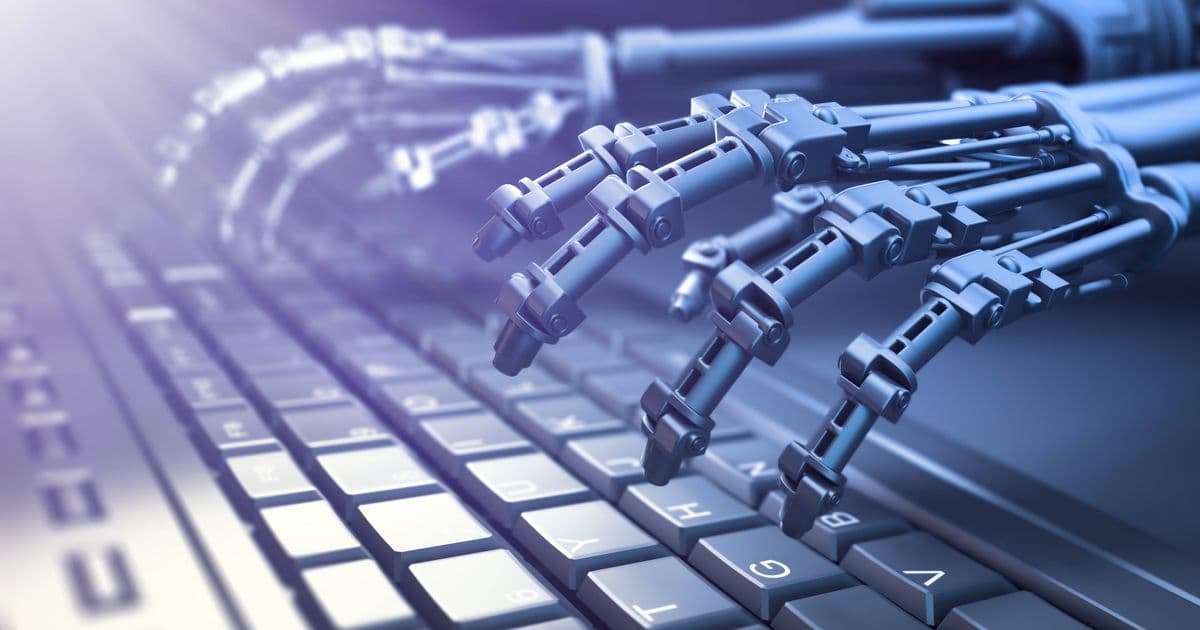
A new report from cybersecurity firm KnowBe4 reveals that 86% of phishing campaigns now use AI, a significant increase from previous years. The automation and personalization capabilities of AI are making phishing attacks more sophisticated, effective, and harder to detect, with calendar invite and Teams-based attacks seeing substantial increases. This trend has serious implications for data protection and regulatory compliance.
Most Phishing Now Uses AI, Says KnowBe4
A new report from cybersecurity awareness training provider KnowBe4 reveals a concerning trend in the digital threat landscape: artificial intelligence has become the driving force behind modern phishing campaigns. According to the seventh edition of KnowBe4's Phishing Threat Trends report, an overwhelming 86% of phishing campaigns tracked in the past six months involved some form of AI implementation. This represents a steady increase from 80% in 2024 and 84% in the previous year, indicating that even holdouts are adopting the technology to enhance their malicious activities.
AI's Expanding Role in Phishing Operations
The report highlights how AI is transforming phishing from a relatively crude operation to a sophisticated, multi-layered attack strategy. While well-written, personalized AI-crafted phishing messages are problematic enough, the real concern lies in how AI is automating the reconnaissance and information gathering phases of attacks. This automation significantly speeds up the phishing process and enables attackers to deploy multiple attack vectors simultaneously, increasing their chances of success.
"AI is fundamentally changing the threat landscape," said Stu Sjouwerman, CEO of KnowBe4. "Attackers can now gather intelligence, craft personalized messages, and automate follow-up attacks at a scale and sophistication previously unimaginable. This places a greater burden on organizations to implement robust security measures and comprehensive employee training."
Multi-Vector Phishing Attacks on the Rise
The KnowBe4 report documents significant increases in specific types of phishing attacks. Calendar-invite-based phishing attacks have surged by 49%, while attacks leveraging Microsoft Teams messages impersonating coworkers—particularly IT support personnel—have increased by 41%. These attacks often represent the second stage in a multi-vector phishing campaign, typically following an initial phishing email.
The pattern typically involves an AI-crafted email that gains the victim's trust, followed by a Teams message or calendar invite that appears to come from a trusted colleague or IT department. These secondary messages often request urgent action such as clicking a link to reset credentials or signing a new policy through DocuSign, ultimately compromising the victim's account or accessing sensitive information.
The Effectiveness of AI-Powered Phishing
According to Microsoft, phishing campaigns utilizing AI-generated lures are 4.5 times more effective than those crafted by humans. This effectiveness stems from several factors:
- Personalization: AI can analyze vast amounts of publicly available information about targets to create highly personalized messages that resonate with recipients.
- Polymorphic Campaigns: AI can take a base phishing template and modify it to be unique for each recipient, making detection by traditional security measures more difficult.
- Natural Language Processing: Modern AI can craft messages with proper grammar, spelling, and tone, removing the tell-tale signs of traditional phishing attempts.
- Speed and Scale: AI can generate and deploy thousands of unique phishing messages in minutes, something impossible for human operators.
Regulatory and Compliance Implications
The rise of AI-powered phishing has significant implications for data protection regulations like GDPR and CCPA. When organizations suffer data breaches due to sophisticated phishing attacks, they may face substantial fines and penalties. Under GDPR, fines can reach up to 4% of annual global turnover or €20 million, whichever is higher. Similarly, the CCPA allows for penalties of up to $7,500 per intentional violation.
"These AI-driven attacks are creating a perfect storm for data breaches," said privacy rights advocate Jane Doe. "Organizations must recognize that their security measures need to evolve to address these new threats. The regulatory environment is clear: organizations have a responsibility to implement appropriate safeguards to protect personal data, and that includes defending against increasingly sophisticated phishing attacks."
The Financial Impact of AI-Enhanced Phishing
The financial consequences of this trend are staggering. According to the FBI, US cybercrime losses reached a record $20.87 billion last year, with phishing remaining the most common complaint. AI-related fraud accounted for approximately $893 million of that total. These figures underscore the urgent need for improved cybersecurity measures and employee awareness training.
Preparing for the AI-Powered Threat Landscape
As cybersecurity experts warn that AI-powered cyberattack kits are "just a matter of time," organizations must take proactive steps to protect themselves:
- Enhanced Employee Training: Regular, updated security awareness training that specifically addresses AI-enhanced phishing techniques.
- Multi-Factor Authentication: Implementing MFA across all systems to reduce the impact of credential theft.
- Advanced Email Filtering: Deploying next-generation email security solutions that can detect AI-generated phishing attempts.
- Zero Trust Architecture: Moving toward security models that assume no user or device is automatically trusted.
- Regular Security Audits: Conducting frequent assessments to identify and address vulnerabilities in security systems.
KnowBe4's report serves as a wake-up call for organizations and individuals alike. As AI continues to evolve and become more accessible, we can expect phishing attacks to become even more sophisticated, personalized, and difficult to detect. The arms race between cybercriminals and cybersecurity professionals is entering a new phase, with AI as the primary weapon on both sides.
For organizations, the message is clear: complacency is not an option. The regulatory environment demands robust data protection measures, and the financial stakes of data breaches have never been higher. As the threat landscape evolves, so too must our defenses.
The full KnowBe4 Phishing Threat Trends report can be accessed at KnowBe4's official website, providing additional insights and recommendations for organizations seeking to bolster their defenses against these emerging threats.
Comments
Please log in or register to join the discussion