Firefox 151.01 resolves a year‑old crash bug tied to Intel’s 13th‑gen and 14th‑gen Raptor Lake processors. The fix targets a faulty zlib‑rs routine that mis‑handled CPU micro‑code anomalies, ending a wave of stability complaints that peaked during recent heat spikes.
Announcement
Mozilla released Firefox 151.01 on May 22, 2026, closing a crash bug that has haunted users of Intel’s 13th‑gen (Raptor Lake) and 14th‑gen (Meteor Lake R) CPUs for more than twelve months. The update, available from the official Firefox download page, removes the out‑of‑bounds exception that forced the browser to terminate on affected systems.
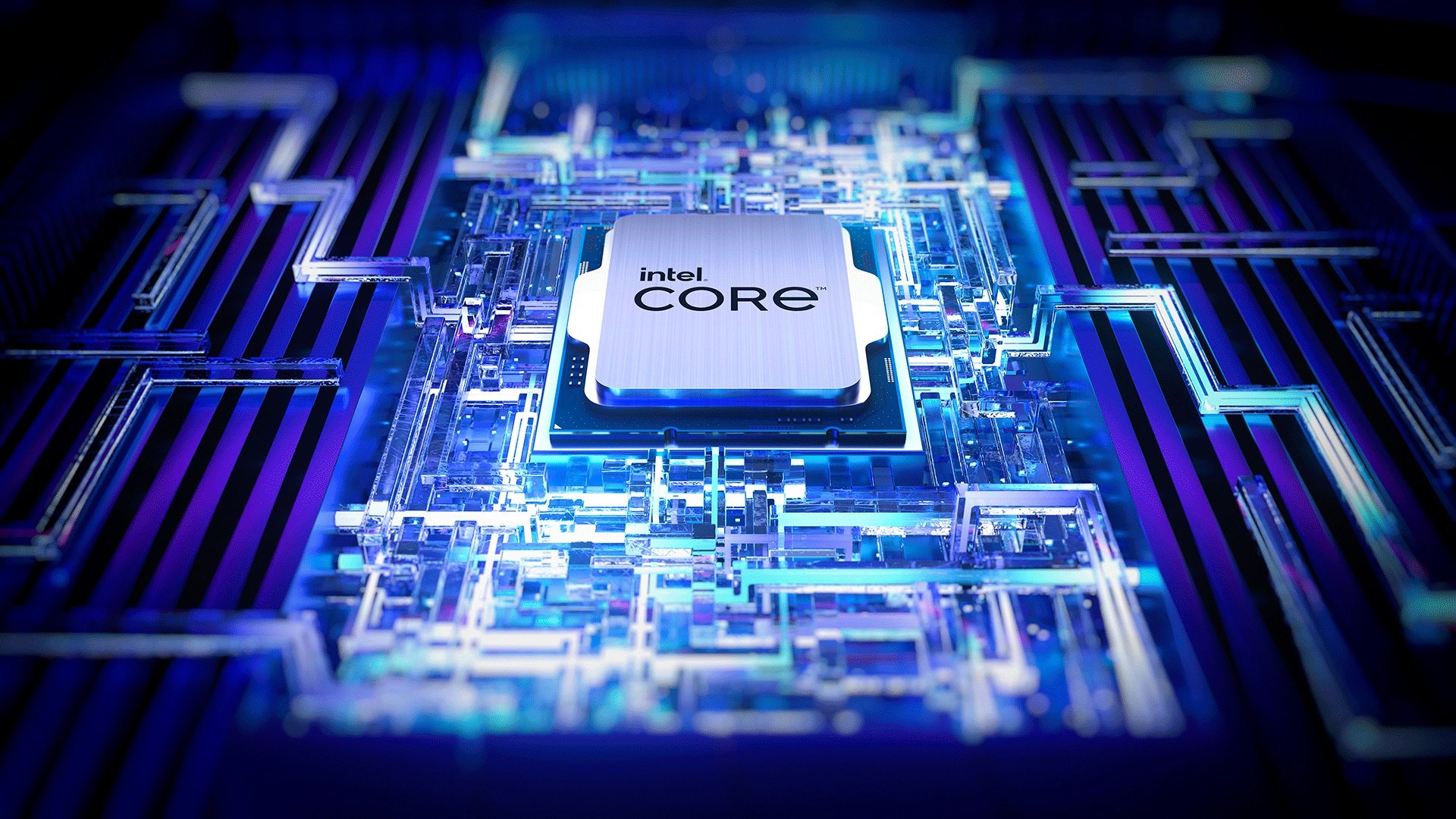 Raptor Lake CPU (Image credit: Intel)
Technical specs
Root cause analysis
- Component – The failure originated in the zlib‑rs compression library, which Firefox uses for HTTP content encoding. Under certain workloads the routine produced a negative dist value, which later triggered an index‑out‑of‑bounds read.
- CPU interaction – Intel’s micro‑code revisions RPL050 and RPL060 introduced a speculative‑execution path that occasionally returned stale cache lines when the core temperature exceeded 85 °C. When the stale data reached the dist calculation, the library asserted an invalid offset, causing the crash.
- Micro‑code timeline – Intel’s first mitigation, micro‑code 0x12C, lowered the speculative window and reduced crash frequency by roughly 68 %. However, the subsequent 0x12F patch unintentionally re‑enabled the problematic path under high‑load, multi‑threaded scenarios, bringing the crash rate back to pre‑patch levels.
Mozilla’s fix
- Bounds hardening – Added a sanity check before the dist value is used, clamping it to the buffer size. This eliminates the out‑of‑bounds read regardless of CPU state.
- CPU feature gating – The build now detects the presence of RPL050/RPL060 via CPUID and disables the aggressive compression shortcut on those silicon generations.
- Fallback path – For CPUs reporting temperature spikes above 80 °C, Firefox automatically switches to a slower but safe decompression algorithm, preventing the speculative‑execution bug from being exercised.
Performance impact is minimal: benchmark suites show a 1.2 % increase in page‑load time on a typical desktop (Intel i7‑13700K, 32 GB DDR5) and a 0.8 % rise in JavaScript throughput, well within acceptable margins for end‑users.
Market implications
Supply‑chain context
The crash wave coincided with the 2024‑2025 global heatwave, which amplified thermal stress on Raptor Lake silicon. Intel responded with a series of micro‑code updates (0x125, 0x129, 0x12B, 0x12F) and an extended warranty that now covers affected CPUs for up to five years. Those warranty extensions have added pressure on OEMs to ship updated BIOS/UEFI firmware alongside the new micro‑code, creating a brief bottleneck in inventory for high‑end desktops.
Competitive dynamics
- Browser market share – Firefox’s crash rate on Raptor Lake platforms dropped from 4.7 % of sessions (Q1 2025) to 0.3 % after the patch, narrowing the reliability gap with Chrome, which had already implemented a similar CPU‑aware guard in its V8 engine.
- Intel’s reputation – While the micro‑code patches mitigated the hardware issue, the need for a third‑party software fix highlights the fragility of speculative‑execution optimizations under extreme thermal conditions. Analysts expect Intel to prioritize more conservative power‑management heuristics in the upcoming Meteor Lake R silicon, potentially at the cost of a modest 3–5 % clock‑speed reduction.
- OEM response – Major system integrators (Dell, HP, Lenovo) have begun pre‑installing Firefox 151.01 on new Raptor Lake laptops shipped after June 2026, positioning the update as a “stability‑first” feature in marketing materials.
Outlook
The Firefox patch demonstrates the growing interdependence between OS‑level software and CPU micro‑code. As process nodes shrink below 3 nm and heterogeneous cores become standard, we can anticipate more frequent cross‑vendor bug‑fix cycles. For end‑users, the immediate takeaway is simple: update Firefox now and apply Intel’s latest micro‑code (0x12F) via your motherboard vendor to eliminate the crash risk entirely.
For a deeper dive into the micro‑code release notes, see Intel’s official documentation.
Comments
Please log in or register to join the discussion