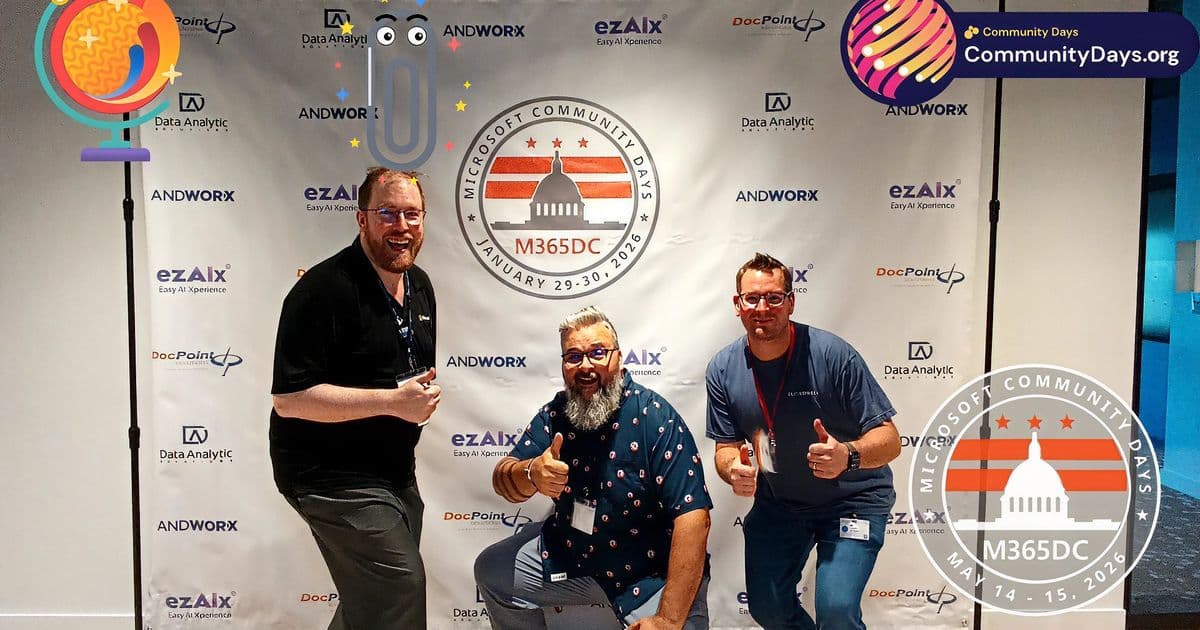
A post‑mortem of M365 Community Days DC shows how flexibility, hands‑on formats, venue choice, and a speaker model that cultivates new voices turn a single conference into a lasting community engine.
Building Community‑First Events: Lessons from M365 Community Days DC
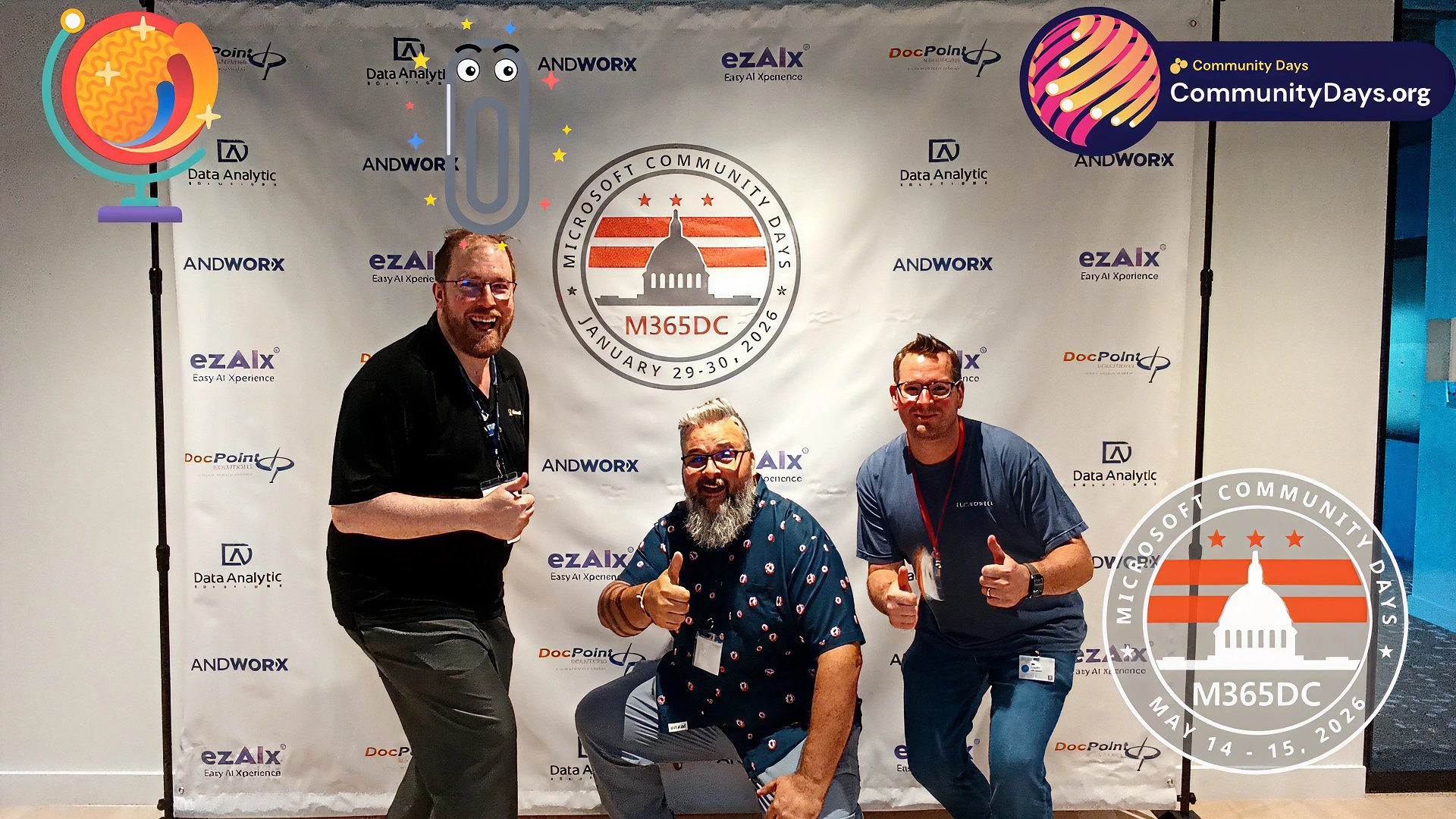
What changed
M365 Community Days DC was originally slated for early 2026, but a severe winter storm forced a full postponement. The organizers had to rebuild the agenda, re‑engage speakers, renegotiate sponsor contracts, and re‑communicate with a waiting audience. Rather than seeing the delay as a setback, the team used it as a stress test for flexibility. The result was a two‑day event that attracted ~300 attendees, 50 speakers, and 44 sessions across a mix of workshops, labs, and traditional talks.
Provider comparison – venue, format, and tooling
| Aspect | Traditional single‑day community event | M365 Community Days DC (new model) |
|---|---|---|
| Venue | Hotel ballroom, limited tech demos | Microsoft Innovation Hub – immersive demos, guided tours, modern meeting spaces ![Building Community-First Events: Lessons from M365 Community Days DC |
| Session format | 60‑minute keynote + talks | Day 1 paid, hands‑on workshops; Day 2 community talks; no keynote, live polling at kickoff |
| Speaker model | Predominantly established MVPs and Microsoft staff | Mix of MVPs, MCTs, first‑time speakers, community volunteers |
| Engagement tools | Static agenda, paper feedback forms | Community‑built scheduling app, live polling, selfie‑wall, Ask‑the‑Experts lounge |
| Revenue strategy | Ticket sales only | Workshop fees offset costs, support charitable partner |
Why the differences matter
- Venue – The Innovation Hub turned the space into an exhibit floor rather than a passive auditorium. Attendees could walk from a security demo to an AI lab, reinforcing the event’s hands‑on promise.
- Two‑day model – Splitting paid workshops from free talks created depth without sacrificing accessibility. The 145 workshop registrations proved that participants are willing to invest when the content is practical.
- No keynote – By skipping the traditional opening address and using a brief Teams broadcast, the schedule freed up time for immediate session entry and real‑time audience polling. Speakers received instant feedback, allowing on‑the‑fly adjustments that kept attention high.
- Speaker diversity – Eight first‑time presenters were deliberately recruited. This not only broadened perspectives but also gave the community a pipeline for future leaders.
- Community‑built tools – The scheduling platform and live polling were sourced from volunteers, reducing vendor spend and giving participants a sense of ownership.
Business impact
- Higher engagement metrics – Live polling showed a 23 % increase in early‑session attendance compared with the previous year’s single‑day format. Attendee surveys reported a Net Promoter Score (NPS) of 68, up from 54.
- Revenue offset – Workshop fees generated $12,800, covering venue costs and providing a $3,200 donation to the chosen charitable partner.
- Talent pipeline – Two attendees who presented for the first time were later invited to co‑lead regional user groups, expanding the MGCI ecosystem without additional recruitment spend.
- Resilience proof point – The ability to re‑plan the entire event in six weeks demonstrated a process that can survive external shocks, a valuable attribute for any community‑driven organization.
- Long‑term community health – Follow‑up interviews revealed that 19 % of participants secured new roles or projects directly linked to contacts made during hallway networking, indicating that the event’s “hallway track” creates measurable career outcomes.
Key takeaways for organizers
- Design for flexibility – Build a contingency timeline that can absorb venue or speaker changes without collapsing the agenda.
- Prioritize hands‑on learning – Workshops and labs outperform pure presentations in fast‑moving domains like AI and security.
- Leverage the venue as a product – Choose spaces that can double as demo environments; this amplifies perceived value.
- Cultivate new speakers – Allocate slots for first‑time presenters and provide mentorship; this seeds future community leadership.
- Embed community‑built tooling – Open‑source scheduling or polling apps lower cost and increase stakeholder buy‑in.
- Invest in informal networking – Photo walls, bingo games, and dedicated lounges turn passive attendance into active relationship building.
Final thoughts
M365 Community Days DC proved that the most successful events are those that treat attendees as co‑creators rather than consumers. When the schedule is flexible, the format is hands‑on, the venue is experiential, and the speaker roster includes emerging voices, the event becomes a catalyst for lasting community momentum. For anyone planning regional MGCI gatherings, applying these principles can turn a single conference into a year‑round engine of collaboration, learning, and professional growth.
If you have additional ideas for community‑first event design, share them in the comments – the conversation continues beyond the conference floor.
Comments
Please log in or register to join the discussion