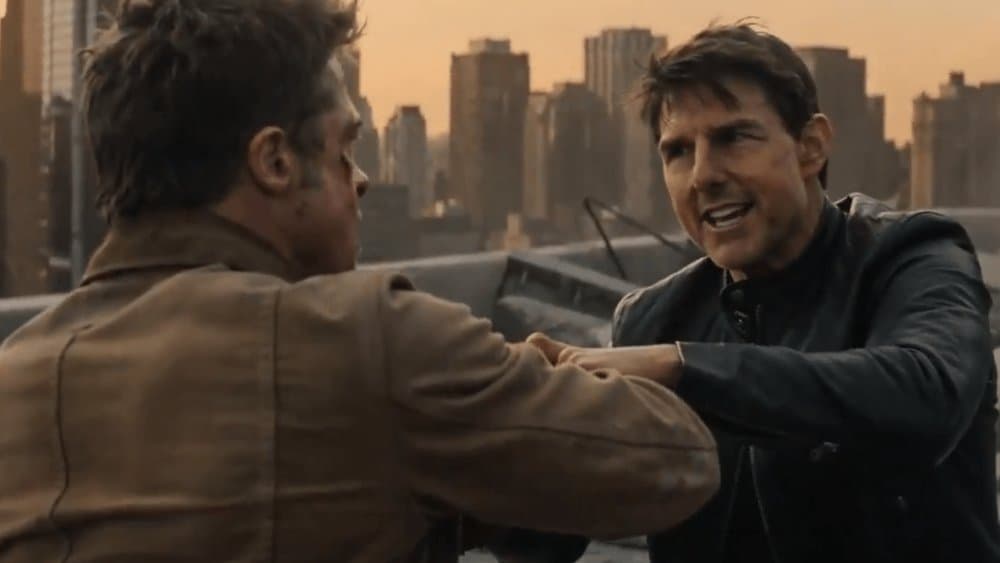
The Motion Picture Association has formally urged ByteDance to address what it calls "massive scale" unauthorized use of US copyrighted material by the company's AI video generation model Seedance 2.0, escalating tensions between Hollywood and Chinese tech firms over AI training data practices.
The Motion Picture Association (MPA) has issued a formal warning to ByteDance, demanding the Chinese tech giant address what the organization describes as "massive scale" unauthorized use of US copyrighted material by its AI video generation model Seedance 2.0. This development marks a significant escalation in the ongoing conflict between Hollywood studios and Chinese technology companies over the use of copyrighted content in AI training datasets.
The MPA's letter, obtained by Variety, specifically targets Seedance 2.0, ByteDance's latest AI video generation model that has gained viral popularity in China. According to the MPA, the model engages in systematic copyright infringement by training on and reproducing content from major US film studios and television networks without proper licensing or authorization.
This confrontation comes at a particularly sensitive time for ByteDance, as its AI video model has been described by state-backed Chinese media as representing a "bigger than DeepSeek's Sputnik moment" for China's AI industry. The timing suggests the MPA is attempting to establish legal precedents before Chinese AI models gain further international traction.
The Copyright Infringement Allegations
The MPA's complaint centers on several key concerns about Seedance 2.0's training practices and output capabilities:
Scale of Infringement: The association claims that Seedance 2.0 has been trained on "massive scale" unauthorized content, including feature films, television series, and other copyrighted video material from major US studios. The model allegedly reproduces distinctive visual elements, character likenesses, and narrative styles from protected works.
Commercial Exploitation: Unlike some academic or research-focused AI models, Seedance 2.0 is being deployed commercially within ByteDance's ecosystem, including integration with TikTok and other platforms. This commercial application amplifies the copyright concerns, as the model directly generates revenue through its use.
Lack of Licensing: The MPA asserts that ByteDance has not secured proper licensing agreements for the copyrighted material used in training Seedance 2.0, despite the company's substantial resources and access to licensing frameworks used by other AI companies.
ByteDance's Position and Industry Context
ByteDance has not yet issued a formal response to the MPA's demands, but the company faces increasing pressure as AI video generation technology becomes more sophisticated and commercially viable. The situation reflects broader tensions in the global AI industry:
US-China Tech Competition: The copyright dispute occurs against the backdrop of intensifying technological competition between the United States and China. Chinese AI companies like ByteDance are rapidly advancing their capabilities, often with substantial government support and fewer regulatory constraints than their US counterparts.
AI Training Data Practices: The controversy highlights the ongoing debate about what constitutes fair use in AI training. While some argue that using publicly available content for AI training falls under fair use doctrine, copyright holders maintain that commercial AI models require explicit licensing agreements.
Hollywood's Defensive Strategy: The MPA's aggressive stance represents Hollywood's attempt to protect its intellectual property as AI technology threatens traditional content creation and distribution models. Studios are increasingly concerned about AI models that can generate content resembling their protected works.
Technical and Legal Implications
The Seedance 2.0 controversy raises several important technical and legal questions about AI development and copyright enforcement:
Training Data Transparency: One of the core challenges in addressing copyright concerns with AI models is the lack of transparency around training data. Unlike traditional software, AI models often cannot easily disclose or remove specific training examples once incorporated into their neural networks.
Output Similarity: The MPA's complaint likely focuses on instances where Seedance 2.0 generates outputs that closely resemble specific copyrighted works. This raises complex questions about when AI-generated content crosses the line from inspiration to infringement.
International Jurisdiction: Enforcing copyright claims against Chinese companies presents jurisdictional challenges. The effectiveness of the MPA's demands will depend on ByteDance's business interests in the US market and potential diplomatic pressure.
Industry Response and Precedent Setting
The MPA's action against ByteDance could set important precedents for how the entertainment industry addresses AI copyright issues globally:
Policy Framework Development: This confrontation may accelerate the development of industry-wide standards and policies for AI training data usage, potentially leading to new licensing frameworks specifically designed for AI applications.
Competitive Dynamics: If successful, the MPA's efforts could slow the advancement of Chinese AI video models in international markets, potentially giving US companies more time to develop competing technologies with proper licensing.
Technical Solutions: The controversy may spur development of technical solutions for copyright protection in AI, such as watermarking, content fingerprinting, or training data filtering systems that can identify and exclude copyrighted material.
The Broader AI Copyright Landscape
This dispute is part of a larger pattern of copyright holders challenging AI companies over training data usage. Similar controversies have emerged involving:
Text and Image Models: Companies like OpenAI and Stability AI have faced lawsuits over their use of copyrighted text and images in training large language models and image generators.
Music Industry Concerns: Record labels and music publishers are increasingly concerned about AI models that can generate music resembling copyrighted works or specific artists' styles.
Publishing Industry Pushback: News organizations and book publishers have begun pushing back against AI companies' use of their content for training purposes.
Potential Outcomes and Industry Impact
The resolution of the MPA's complaint against ByteDance could take several forms, each with different implications for the AI industry:
Licensing Agreements: ByteDance might negotiate licensing deals with major studios, setting a precedent for how Chinese AI companies can access Western content legally.
Technical Modifications: The company could modify Seedance 2.0 to reduce its reliance on or reproduction of copyrighted material, potentially impacting the model's capabilities.
Market Restrictions: If ByteDance refuses to address the concerns, the MPA might pursue legal action or advocate for restrictions on the model's availability in Western markets.
Industry Standards: The dispute could lead to the development of new industry standards for AI training data usage, potentially creating a more structured framework for content licensing in AI development.
The MPA's warning to ByteDance represents a significant moment in the evolving relationship between traditional media companies and AI technology providers. As AI video generation capabilities continue to advance, the resolution of this dispute could shape how the entertainment industry adapts to and regulates these transformative technologies.
For now, the ball is in ByteDance's court to respond to the MPA's demands. The company's approach to this challenge will likely influence not only its own AI development strategy but also set precedents for how other Chinese and international AI companies navigate copyright concerns in their pursuit of advanced generative AI capabilities.
The controversy also underscores the complex interplay between technological innovation, intellectual property rights, and international competition in the AI era. As models like Seedance 2.0 become more capable and commercially important, finding sustainable frameworks that balance innovation with creator rights will become increasingly critical for the future of both the AI and entertainment industries.
[Image: 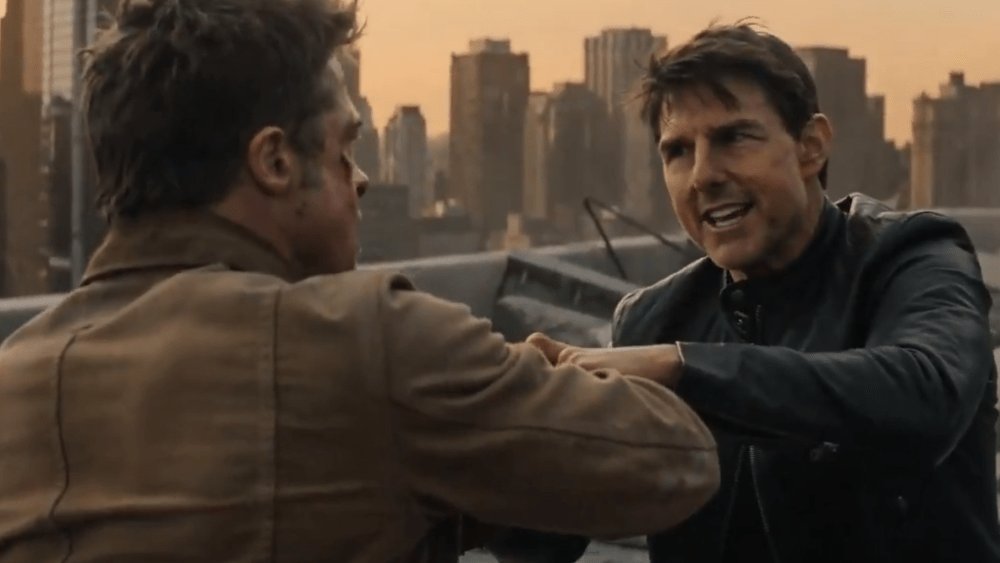 ]
]
Featured image: The MPA's formal warning to ByteDance over Seedance 2.0 copyright concerns highlights growing tensions between Hollywood and Chinese AI companies.
Comments
Please log in or register to join the discussion