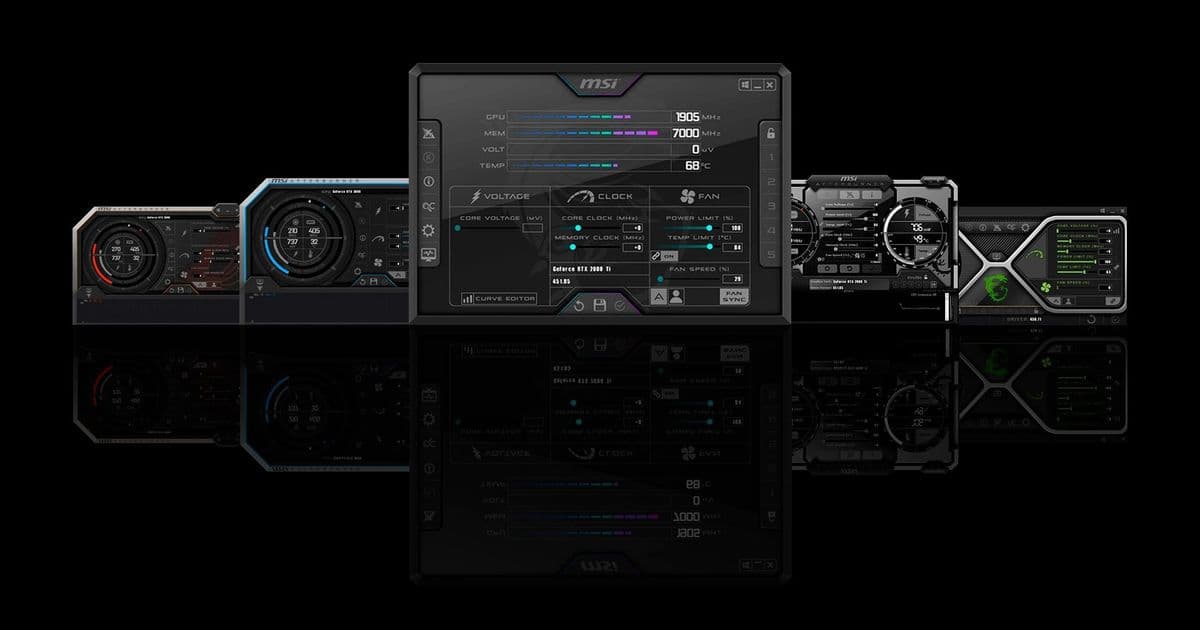
MSI has released a new Afterburner update that adds GPU Safeguard+ warnings for its MPG AI PSUs, helping prevent expensive graphics cards from overheating due to faulty 16-pin power connections.
MSI has taken a significant step toward protecting high-end graphics cards from power-related failures with a new update to its popular Afterburner software. The update, version 4.6.7, introduces GPU Safeguard+ warnings specifically designed to alert users when their expensive RTX 5080 or 5090 GPUs experience issues with their 16-pin power connectors.
This development comes as part of MSI's broader strategy to address the well-documented fragility of the 12V-2x6 (12VHPWR) connector, which has been a source of concern for enthusiasts since the introduction of high-wattage graphics cards. The connector's reputation for potential failure under heavy loads has led to numerous reports of melted cables and damaged hardware, making this proactive warning system a welcome addition for users of powerful GPUs.
How GPU Safeguard+ Works
The new feature operates through a sophisticated monitoring system that integrates directly with MSI's MPG Ai1300TS and MPG Ai1600TS power supplies. When the software detects anomalies in the 16-pin connection—whether it's voltage irregularities, temperature spikes, or other potential issues—it immediately displays a warning message on the user's computer screen.
What makes this system particularly effective is its ability to take immediate corrective action. Upon detecting a fault, the power supply automatically reduces the connected graphics card's power limit to 75% of its maximum capacity. This is achieved by loading a predefined emergency profile that prioritizes system stability over performance, potentially preventing catastrophic hardware damage.
The monitoring capability extends across both Nvidia and AMD graphics cards that utilize the 16-pin connector, thanks to a new PSU.dll monitoring plugin. This plugin reads real-time telemetry data from the power supply, including voltage levels and temperature readings, then communicates this information to Afterburner for continuous oversight.
Hardware Requirements and Limitations
It's important to note that GPU Safeguard+ is not universally available across all MSI power supplies. The feature requires specific hardware support that's currently limited to the higher-end MPG Ai1300TS and MPG Ai1600TS models. These units are equipped with the necessary active monitoring systems and communication capabilities to interface with Afterburner.
MSI's more affordable MAG A1200PLS and MAG A1000PLS models do include a basic version of GPU Safeguard, but they lack the Afterburner integration that enables the pop-up warning messages. However, these units still provide audible alarms and the same underlying active monitoring system, along with the automatic power limit reduction to 75% when issues are detected.
Additional Afterburner Improvements
Beyond the GPU Safeguard+ functionality, the Afterburner 4.6.7 update brings additional features for enthusiasts. Most notably, the software now includes support for MSI's RTX 5090 LIGHTNING series GPUs, which are specifically designed for extreme overclocking scenarios. This integration ensures that users pushing their hardware to the absolute limits have the tools necessary to monitor and control their systems effectively.
The update is currently available in beta form and can be downloaded directly from MSI's official Afterburner website. Users should exercise caution when installing beta software, though MSI's reputation for stability in its utility software suggests this update should be relatively safe for most systems.
Industry Context and Significance
This move by MSI represents a broader industry trend toward more intelligent power management and hardware protection systems. As graphics cards continue to push power consumption boundaries—with the RTX 5090 drawing up to 575 watts under load—the need for robust monitoring and protection mechanisms becomes increasingly critical.
The 12VHPWR connector controversy has been a significant talking point in the PC hardware community, with some manufacturers implementing their own solutions to address potential failure modes. MSI's approach of combining hardware-level monitoring with software-level warnings and automatic power reduction represents a comprehensive strategy for mitigating risks.
For users investing in high-end graphics cards that can cost over $1,000, the peace of mind provided by these protective measures is substantial. The ability to receive early warnings about potential power delivery issues could mean the difference between a simple cable replacement and a costly GPU repair or replacement.
As the industry continues to evolve toward even more power-hungry components, solutions like GPU Safeguard+ may become standard features rather than premium offerings. MSI's implementation could serve as a model for other manufacturers looking to address similar concerns in their product lines.
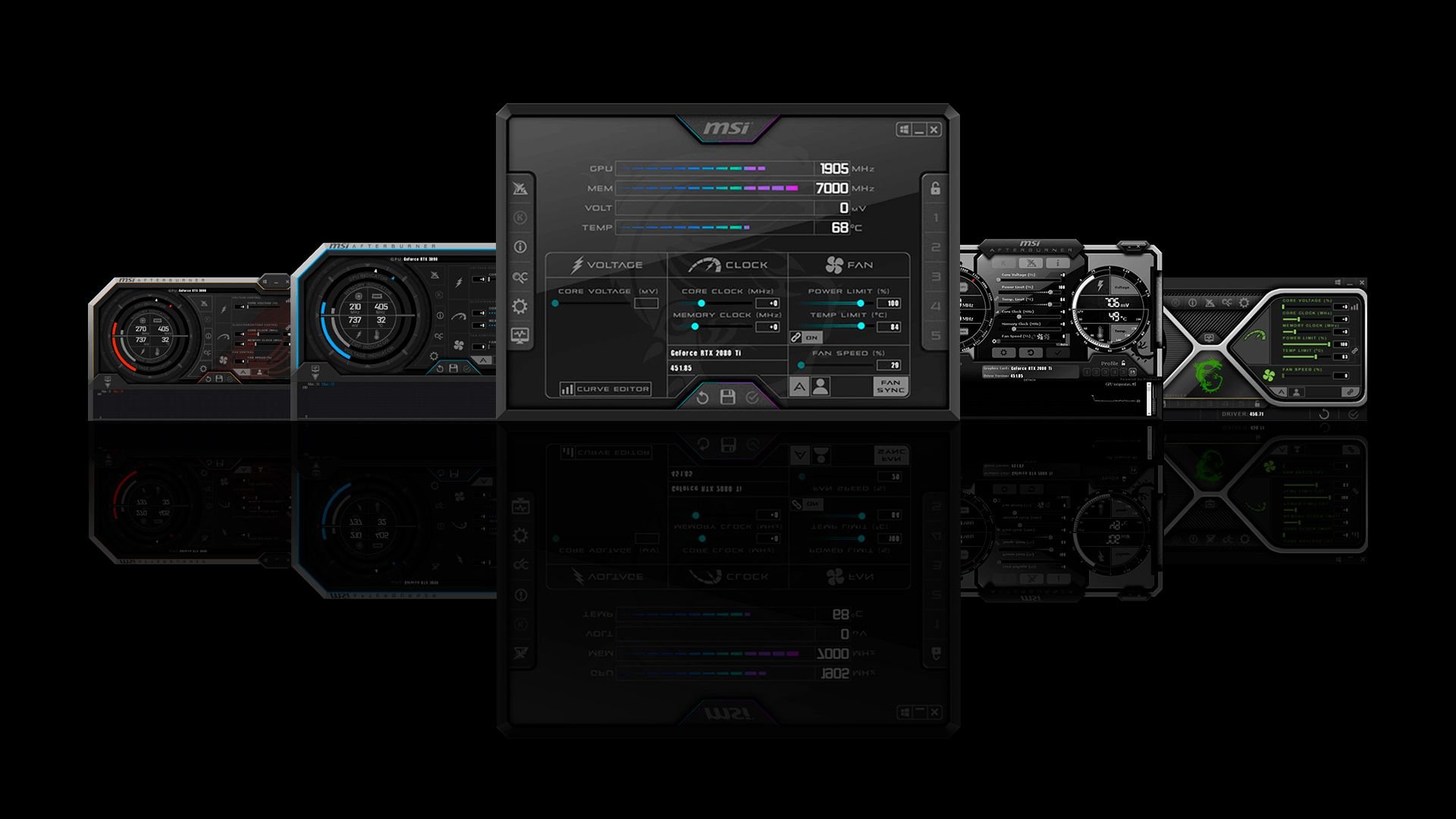
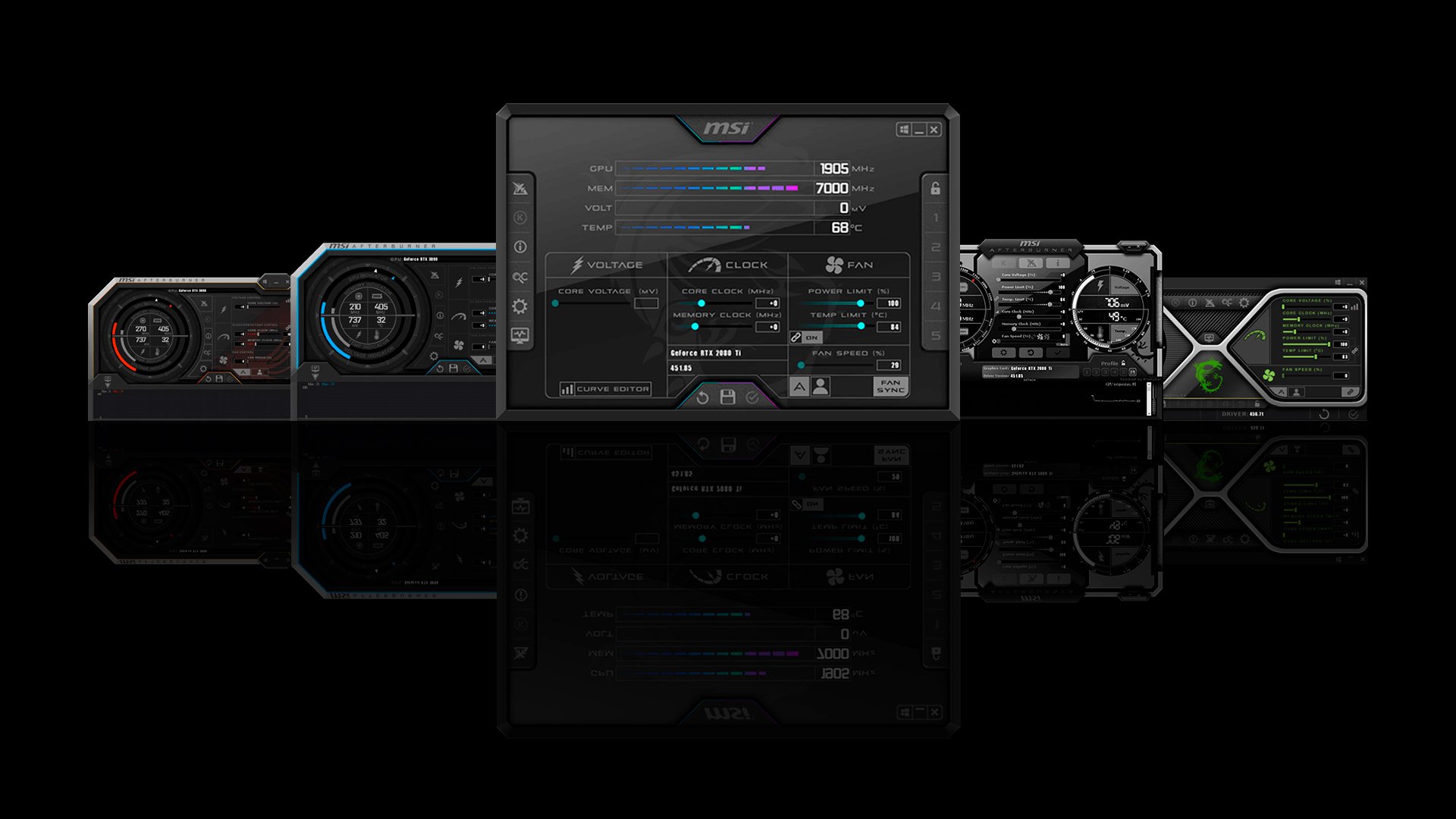

The integration of Afterburner with smart power supplies also hints at a future where software and hardware work more closely together to ensure system stability and longevity. This level of integration could eventually extend beyond power delivery to encompass thermal management, fan control, and other critical system parameters.
Comments
Please log in or register to join the discussion