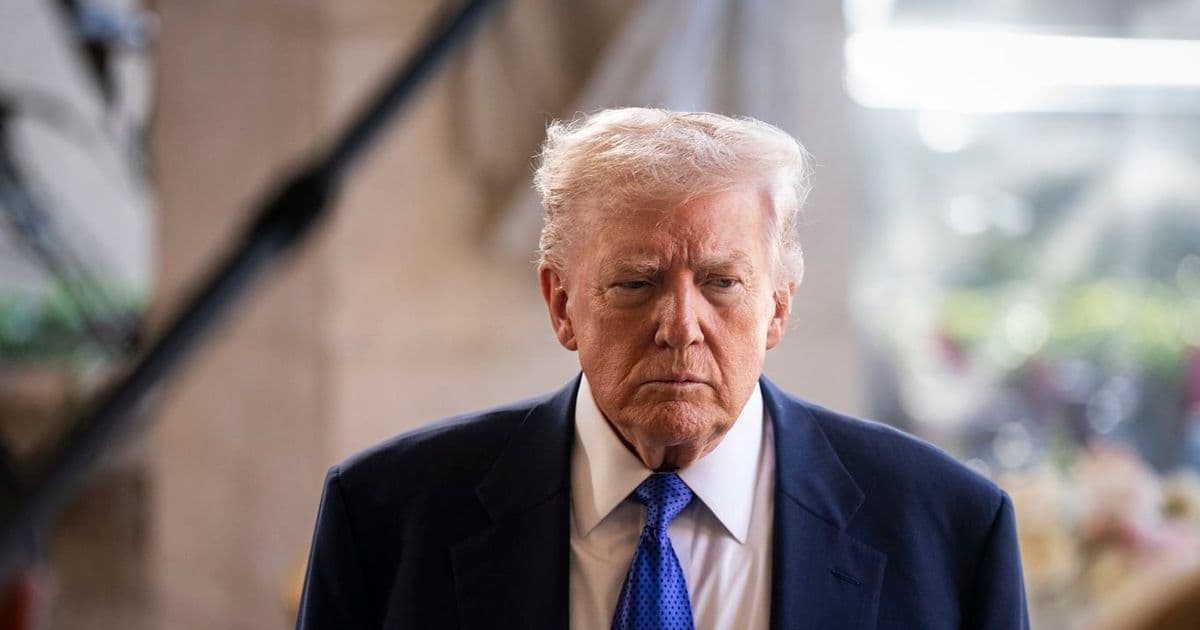
President Trump's campaign to prosecute political opponents is facing significant legal setbacks, with courts blocking key cases and raising questions about the limits of executive power.
President Trump's efforts to pursue legal action against political adversaries are encountering mounting resistance in the courts, marking a significant setback for his administration's strategy of using federal law enforcement as a tool for political retribution.
Legal Setbacks Mount
The administration's high-profile cases against former officials and political rivals have been systematically dismantled by federal judges, with several key prosecutions dismissed on constitutional grounds. A federal appeals court recently blocked the prosecution of a former intelligence official, citing violations of First Amendment protections and separation of powers principles.
In another major blow, a district court judge threw out charges against a prominent Democratic donor, ruling that the evidence presented was insufficient and appeared politically motivated. The judge's 45-page opinion specifically criticized the timing of the investigation, which coincided with the 2024 election cycle.
The Strategy Unravels
Trump's approach, which involved directing the Justice Department to investigate political opponents and using executive privilege to shield allies from scrutiny, has faced increasing scrutiny from both the judiciary and Congress. Legal experts note that the administration's aggressive tactics have backfired, creating precedents that could limit future presidents' ability to use law enforcement for political purposes.
"What we're seeing is a classic case of overreach," said constitutional law professor Elizabeth Warren of Harvard Law School. "The courts are sending a clear message that the executive branch cannot weaponize the justice system against political opponents without facing serious constitutional consequences."
Financial and Political Costs
The legal battles have already cost taxpayers an estimated $47 million in legal fees and court proceedings, according to congressional budget office estimates. Additionally, the administration's credibility with federal law enforcement agencies has been severely damaged, with several high-ranking Justice Department officials resigning in protest.
What Comes Next
Despite these setbacks, Trump has signaled his intention to continue pursuing legal action against perceived enemies. However, legal analysts suggest that the administration's options are increasingly limited. The Supreme Court has shown reluctance to intervene in cases where lower courts have found clear constitutional violations, and Congress is considering legislation to further restrict the executive branch's ability to initiate politically motivated investigations.
The broader implications extend beyond Trump's presidency. Legal scholars warn that the current battles could reshape the relationship between the executive branch and the judiciary for decades to come, potentially establishing new boundaries on presidential power that future administrations will have to navigate carefully.
As the legal challenges continue to mount, Trump's campaign of political retribution appears to be losing momentum, with each court defeat strengthening the constitutional barriers that protect against the misuse of federal law enforcement for political gain.
Comments
Please log in or register to join the discussion