
Cisco reported 10% YoY revenue growth to $15.35B in Q2, beating estimates, but its stock fell over 7% after hours due to underwhelming Q3 EPS guidance that merely matched expectations.
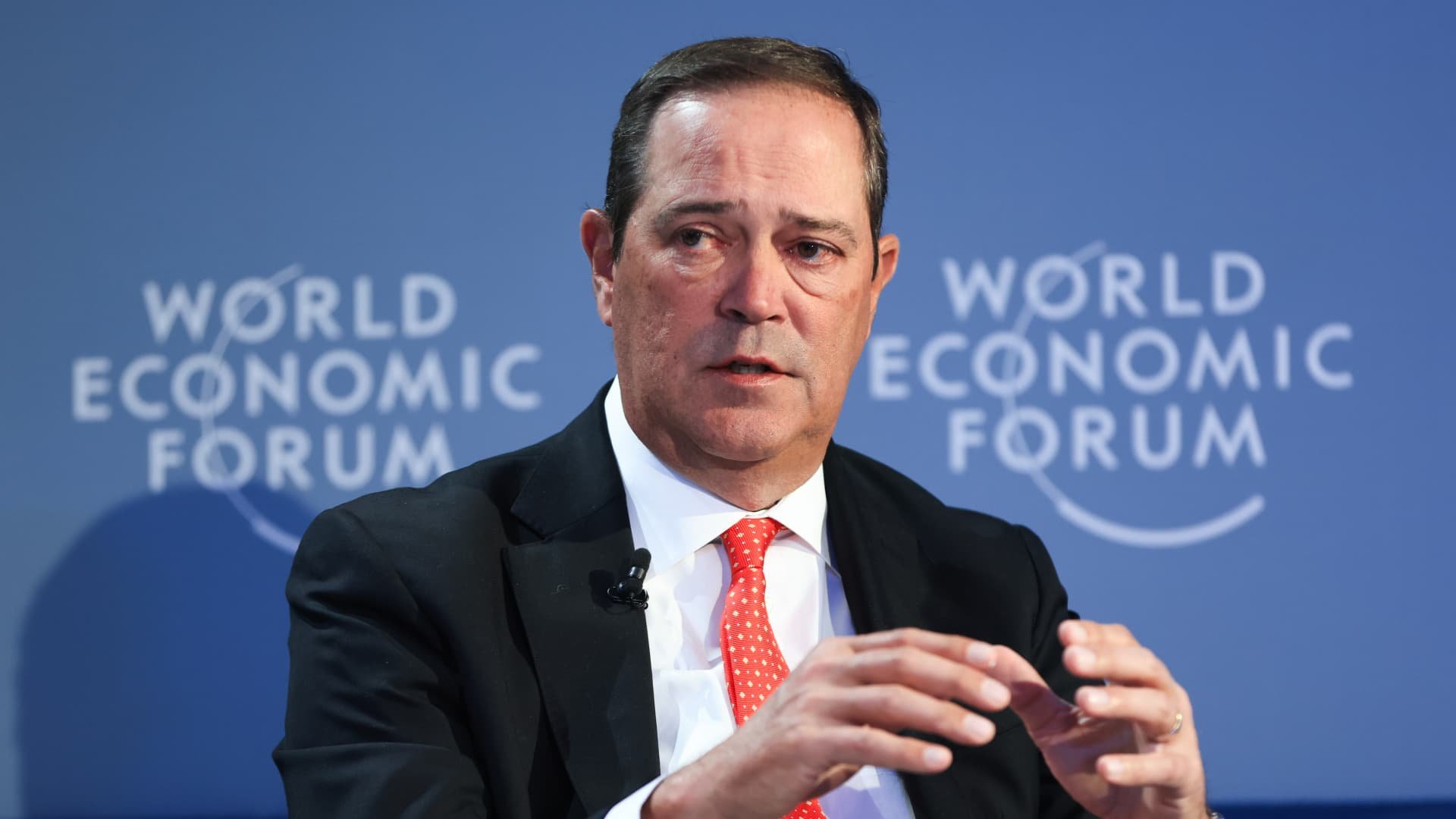
Cisco's latest earnings report presents a tale of two narratives: robust quarterly performance colliding with tempered future expectations. The networking giant announced Q2 revenue of $15.35 billion, a 10% year-over-year increase that surpassed Wall Street's $15.12 billion estimate. Yet this positive result was immediately undermined by guidance for Q3 adjusted earnings per share that merely aligns with analyst projections, triggering a 7%+ after-hours stock plunge.
The disconnect highlights investor concerns about Cisco's ability to maintain momentum amid shifting enterprise spending patterns. While product revenue grew 8% and service revenue increased 14%, markets reacted to management's conservative outlook. CEO Chuck Robbins noted "increased scrutiny of deals" by customers during the earnings call, suggesting enterprises are becoming more deliberate with technology investments despite strong demand for Cisco's networking and security solutions.
Analysts point to several underlying factors:
- Competitive pressures: Arista Networks and Juniper are gaining traction in cloud networking
- Supply chain normalization: Pandemic-era backlogs are clearing, reducing pricing power
- AI infrastructure limitations: Cisco's position in AI data center networking remains unproven compared to specialists
Countering the pessimism, some analysts view the sell-off as overdone. "The fundamentals remain strong with recurring revenue now at 45% of total revenue," noted Wells Fargo's Aaron Rakers, referencing Cisco's successful transition toward subscription models. The company also reported record free cash flow of $3.2 billion and authorized $15 billion in additional share repurchases.
The reaction mirrors broader market skittishness toward tech stocks that show any sign of deceleration. Cisco's guidance implies approximately 6-8% revenue growth for Q3—healthy by historical standards but below the hyperscaler growth rates investors increasingly expect. As Morgan Stanley's Meta Marshall observed: "The market isn't punishing Cisco for weakness, but for not exceeding elevated expectations in an AI-fueled market."
Investors will watch for Cisco's upcoming announcements at Cisco Live in June, where the company is expected to detail its AI infrastructure strategy—a critical factor for regaining market confidence in an industry where rivals like Nvidia and Arista have captured more AI mindshare.
Ultimately, Cisco's predicament illustrates the tension between solid operational execution and the market's appetite for transformative growth narratives. As enterprises slowly implement AI infrastructure upgrades, Cisco's networking dominance provides stability but leaves investors questioning whether it can translate that position into leadership in the next computing paradigm.
Comments
Please log in or register to join the discussion