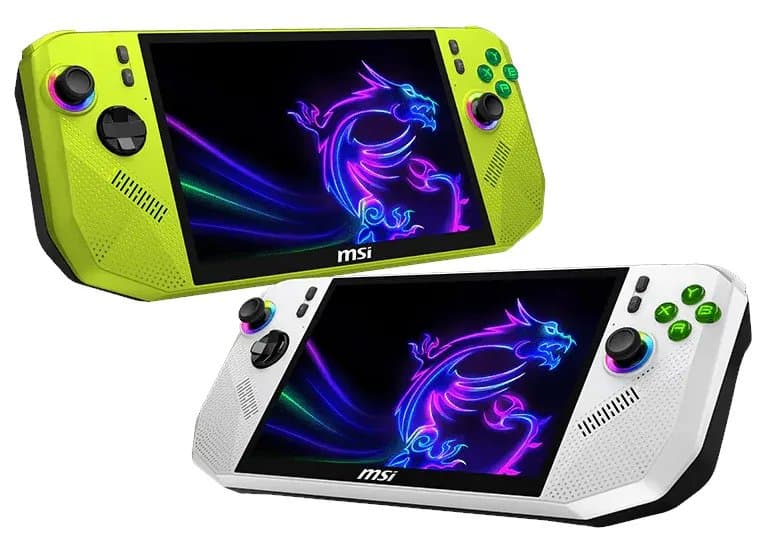
New Linux driver for MSI Claw handheld gaming devices receives code review assistance from Claude AI, advancing controller configuration support for the platform.
The Linux gaming handheld ecosystem continues to expand with the development of a new configuration driver specifically designed for the MSI Claw series. This driver, currently in its second iteration, represents an interesting convergence of traditional driver development and AI-assisted programming, potentially setting a precedent for future hardware support in the Linux space.
Driver Capabilities and Current Status
The "hid-msi-claw" driver, now at version 2 patch, provides essential controller configuration functionality for MSI Claw handheld users running Linux. Key features include:
- Gamepad mode configuration
- M-key behavior customization
- Reset function access
Developed by Derek Clark—a contributor who has also worked on Linux support for the Lenovo Legion Go series—the driver builds upon previous reverse engineering work by Denis Benato and improvements by Zhouwang Huang. The current implementation spans approximately 600 lines of code, representing a significant milestone in bringing full functionality to Linux gamers using MSI Claw devices.
AI-Assisted Development Approach
What makes this particular driver development noteworthy is the incorporation of AI in the development process. Claude Code (claude-sonnet-4.6) was utilized for initial code review, marking one of the first instances of AI assistance being formally acknowledged in Linux driver development for gaming hardware.
This AI-assisted approach offers several potential advantages:
- Automated detection of common programming issues
- Suggested optimizations for power efficiency
- Improved code documentation
- Enhanced compatibility checking
For Linux enthusiasts who measure every aspect of their systems, the potential for AI to help identify performance bottlenecks or power optimization opportunities in driver code represents an exciting development.
Technical Implementation Details
The driver implementation follows standard Linux input subsystem conventions, making it compatible with the existing kernel infrastructure. The configuration interface exposes hardware-level controls that were previously inaccessible to Linux users, effectively bridging the gap between Windows and Linux functionality for the MSI Claw.
{{IMAGE:2}}
Integration Path to Mainline Kernel
The current v2 patch represents a significant step toward eventual inclusion in the mainline Linux kernel. The driver's adherence to kernel coding standards and its relatively focused scope (limited to controller configuration rather than attempting to handle all aspects of the device) increases its chances of acceptance by the kernel maintainers.
For users running MSI Claw devices, this driver promises to deliver a more polished gaming experience under Linux by enabling hardware-level customization that was previously unavailable. The ability to configure M-key behaviors, for example, could prove essential for adapting the device to different gaming genres or personal preferences.
Broader Context for Linux Gaming Handhelds
This development comes as part of a larger trend of improving Linux support for gaming handhelds. The Steam Deck's early success demonstrated significant demand for Linux-native gaming experiences, and subsequent devices like the MSI Claw have followed suit with varying levels of Linux compatibility.
The driver's development also highlights the collaborative nature of the Linux hardware ecosystem, with contributions from multiple developers building upon each other's work. This community-driven approach has historically been one of Linux's greatest strengths, and its application to gaming hardware represents a natural extension of this model.
For homelab builders and performance enthusiasts, the improved Linux support for gaming handhelds opens up interesting possibilities for power-efficient gaming setups, custom configurations, and integration with existing Linux infrastructure.
Those interested in following the development progress can track the driver through the official Linux kernel mailing list and Derek Clark's development repositories. The code review process involving both human developers and AI assistance may offer valuable insights into the future of driver development for Linux gaming hardware.
Comments
Please log in or register to join the discussion