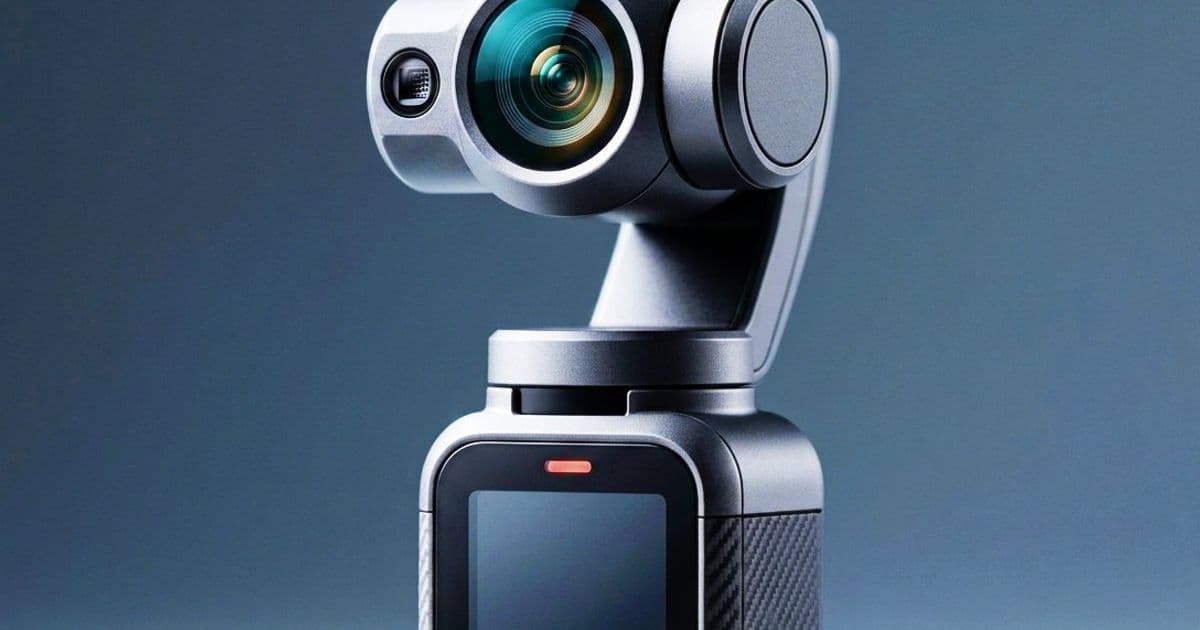
Smartphone giant Vivo is preparing to enter the premium handheld gimbal camera market with a device featuring a groundbreaking 200MP sensor, positioning itself as a direct competitor to DJI's popular Osmo Pocket series.
What's New: The Vivo Pocket represents a significant departure from current handheld gimbal camera standards, featuring a massive 1/1.1-inch Sony LYT-901 sensor with an impressive 200MP resolution. This sensor, which is also found in some of Vivo's high-end smartphones, promises superior image quality compared to the 1-inch sensors typically found in gimbal cameras. The device is expected to offer enhanced lossless zoom capabilities and high-resolution still photography, potentially exceeding the 37MP output of the DJI Osmo Pocket 4.
The timing of this leak is particularly noteworthy, coming just after DJI previewed its dual-cam Osmo Pocket 4P at the Cannes Film Festival. This suggests Vivo is strategically positioning its product as a direct response to DJI's latest innovation. While the Vivo Pocket was initially leaked back in February 2026, recent reports indicate that the device is already being handed to content creators for testing as soon as next week, with a planned commercial launch at the end of 2026.
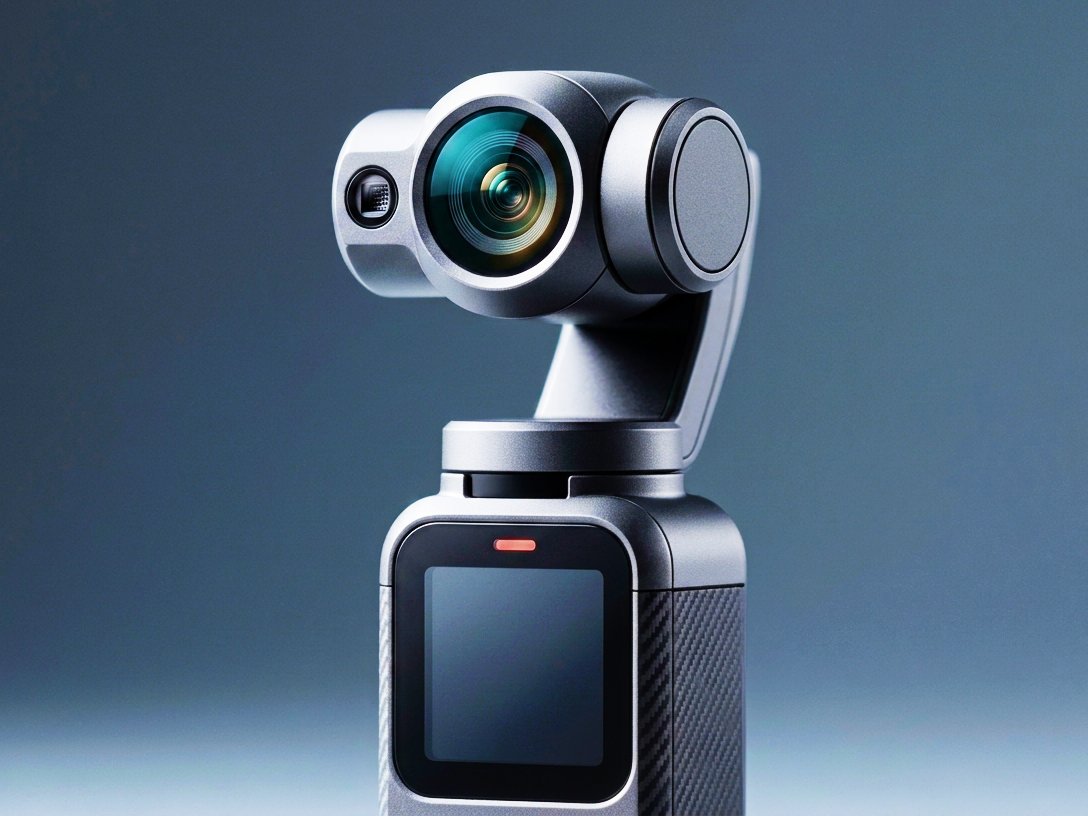
The Vivo Pocket will be powered by a powerful image processor, suggesting premium performance comparable to DJI's offerings. While exact specifications haven't been fully revealed, the inclusion of Zeiss color science (as hinted in some leaks) could further enhance its imaging capabilities. This combination of hardware and processing power could potentially deliver superior dynamic range and color accuracy compared to existing gimbal cameras.
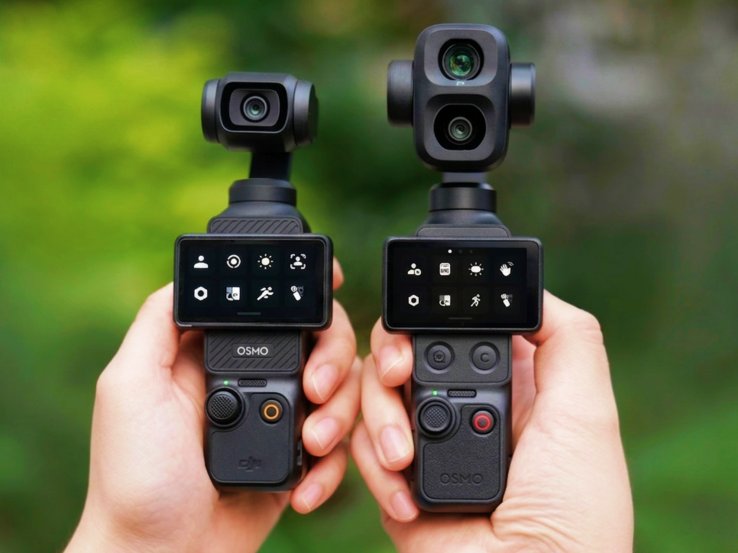
How It Compares: The Vivo Pocket enters a market currently dominated by DJI's Osmo Pocket series. The DJI Osmo Pocket 3, released in 2023, features a 1-inch sensor with 12MP resolution, while the recently announced Osmo Pocket 4P offers a dual-camera system with a 37MP primary sensor. The Vivo Pocket's 200MP sensor represents a significant leap in resolution and potentially low-light performance due to the larger physical size.
Competition isn't just coming from DJI. Oppo is reportedly developing its own gimbal camera, the Oppo Fuyao, also expected to launch in late 2026. Additionally, Insta360 is preparing the Luna Pro and Luna Ultra, with the latter featuring a modular design and a dual-camera system co-engineered with Leica. This growing competition suggests that 2026 could be a pivotal year for handheld gimbal cameras, with multiple manufacturers vying for market share.
The Vivo Pocket appears to be targeting premium users rather than budget-conscious creators, positioning itself against DJI rather than more affordable options like the Feiyu Pocket 4. This suggests a premium build quality and potentially higher price point to match its advanced specifications. However, Vivo's experience in smartphone manufacturing could give it an advantage in terms of miniaturization and power efficiency.
Who It's For: The Vivo Pocket is clearly aimed at content creators who demand the highest possible image quality from a handheld gimbal camera. The 200MP sensor will appeal to photographers and videographers who need maximum flexibility in post-production, with the ability to crop into images without significant quality loss. The enhanced zoom capabilities will be particularly valuable for capturing subjects from a distance without compromising image quality.
For existing DJI Osmo Pocket users, the Vivo Pocket represents an interesting alternative, especially those who already use Vivo smartphones and appreciate the brand's color science. The device may also appeal to creators who have been waiting for a competitor to challenge DJI's dominance in this niche market.
While the Vivo Pocket shows promise, potential buyers should consider the existing ecosystem and accessories available for DJI devices, which currently have a more established market presence. The success of the Vivo Pocket will depend not only on its specifications but also on its software features, battery life, and overall user experience.
As we approach the late 2026 launch window, we'll likely see more details emerge about the Vivo Pocket's capabilities, pricing, and how it stacks up against the competition. For now, it represents an exciting development in the handheld gimbal camera market, potentially forcing all manufacturers to innovate at a faster pace. Content creators and photography enthusiasts should keep a close eye on this device as it progresses toward release.
Comments
Please log in or register to join the discussion