
The detention of a Chinese national on espionage charges in Norway has drawn attention to the growing vulnerability of the High North as the region becomes a hub for tourism, satellite launches and strategic infrastructure. Analysts warn that Europe’s Arctic policy lacks the coordination and investment needed to protect critical assets such as under‑sea cables, spaceports and resource extraction sites.
Norway’s espionage case puts the High North under the microscope
The recent arrest of a Chinese woman in Oslo on suspicion of gathering intelligence for Beijing has sparked a wave of commentary among security experts and Arctic policy makers. While the case is still under investigation, the incident underscores a broader trend: the Arctic is transitioning from a remote frontier to a contested zone of economic and geopolitical activity.
Market context – why the High North matters now
Tourism boom – In 2025, visitor arrivals to Norway’s northern counties rose 18% year‑on‑year, reaching 2.3 million, driven by cruise ships and adventure travel. The influx raises demand for ports, airports and communication networks, all of which become potential intelligence targets.
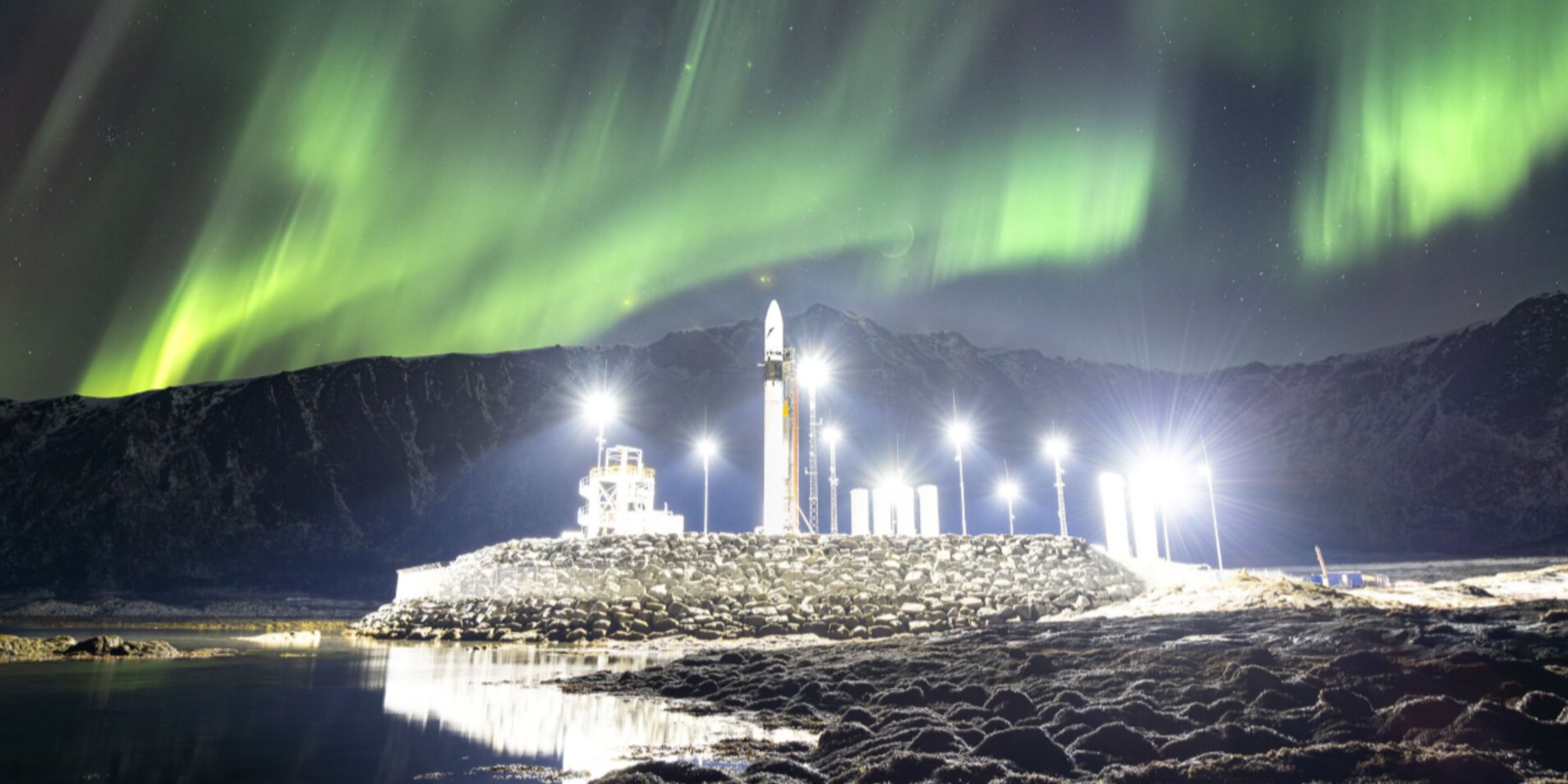
Spaceport ambitions – The Andøya Rocket Range, slated to host the first commercial orbital launch site in Scandinavia by late 2026, will handle payloads for satellite constellations that monitor climate data and maritime traffic. A compromised launch schedule could ripple through the European Space Agency’s (ESA) data‑service contracts worth €1.2 billion annually.
Energy and minerals – The European Union’s 2024 Arctic Strategy earmarked €4.5 billion for exploration of offshore gas and rare‑earth deposits in the Barents Sea. Investment pipelines depend on secure under‑sea fiber optic cables that transmit real‑time production data.
Geopolitical stakes – NATO’s northern flank now includes three permanent maritime patrol units, yet the alliance’s budget for Arctic cyber‑defence remains under €150 million, less than 2% of the total NATO cyber‑budget.
What it means for European security and business
Intelligence‑gathering gaps – Norway’s intelligence service, PST, has limited permanent assets in the High North, relying heavily on ad‑hoc cooperation with Sweden and Finland. The spy case suggests that foreign actors can exploit this thin coverage to map critical infrastructure.
Supply‑chain exposure – Companies operating the Andøya launch site, such as Arianespace partner North Space, will now need to reassess vendor vetting processes. The European Commission’s recent “Secure Supply Chains” directive, which mandates risk assessments for any technology linked to dual‑use satellites, is likely to be invoked.
Regulatory response – The Norwegian Ministry of Defence has announced a €45 million boost to its Arctic surveillance budget, allocating funds to radar upgrades on the Lofoten archipelago and to a joint NATO‑Norway cyber‑monitoring centre. However, analysts warn that without a coordinated EU‑wide framework, individual national spendings will create a patchwork of protection levels.
Investment recalibration – Asset managers with exposure to Arctic mining projects, such as the €2.3 billion Nordic Resources fund, are expected to demand higher risk premiums. Preliminary data from Bloomberg shows a 12‑basis‑point increase in the fund’s cost of capital since the arrest was reported.
Strategic messaging – Beijing’s diplomatic channels have downplayed the incident, labeling it a “misunderstanding.” Yet the pattern mirrors earlier cases in Sweden and the United Kingdom, where Chinese‑linked operatives were accused of collecting data on under‑sea cable routes and satellite launch schedules.
Looking ahead
The Norway espionage case is unlikely to be an isolated event. As the High North attracts more tourists, commercial launch activities, and resource extraction, the incentive for foreign intelligence services to map the region’s infrastructure will rise. Europe’s response will need to move beyond isolated national measures toward a unified Arctic security architecture that integrates physical surveillance, cyber‑defence, and supply‑chain oversight.
Stakeholders—from tourism operators to space‑flight companies—should prepare for tighter compliance checks and possible delays in project timelines. Meanwhile, policymakers must balance the economic upside of a thriving High North with the cost of safeguarding it against covert activities.
Comments
Please log in or register to join the discussion