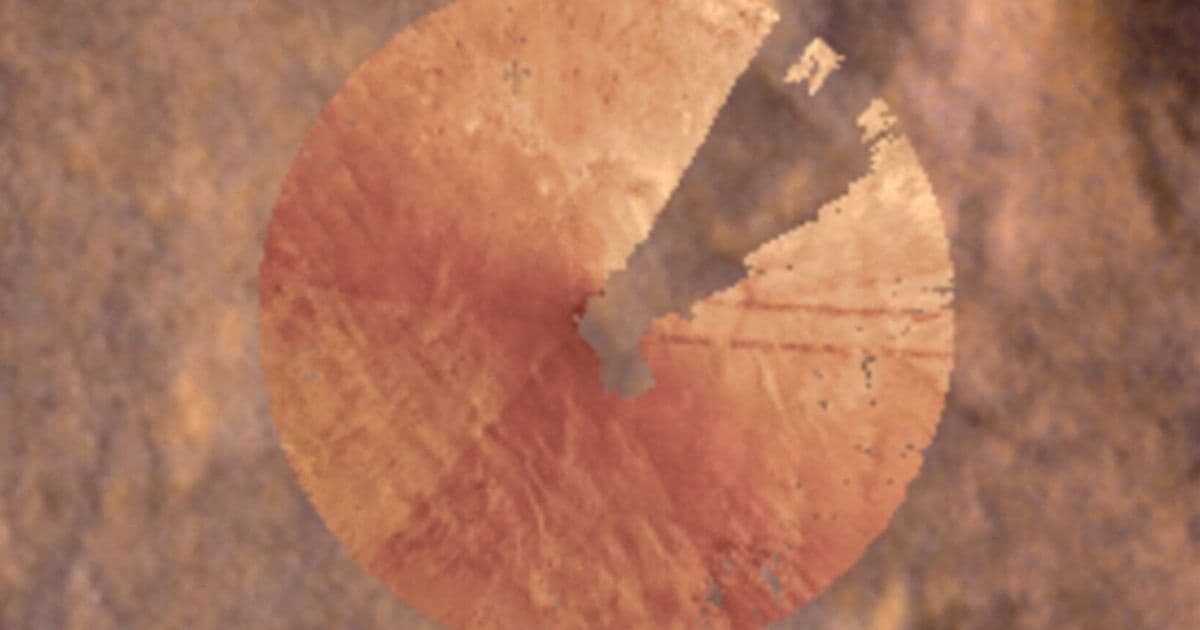
NASA's new Mars Global Localization system enables the Perseverance rover to autonomously pinpoint its position within 10 inches using onboard image processing, eliminating days-long delays caused by navigation uncertainties.
For years, Mars rovers have faced a fundamental limitation: cumulative navigation errors during drives. As NASA's Perseverance rover traverses the Martian surface, minor wheel slippage and sensor inaccuracies compound over distance. On longer traverses, these small errors could result in positional uncertainties exceeding 100 feet (35 meters). When this happened, the rover would halt operations entirely, defaulting to a safety protocol that required waiting for Earth-based confirmation – a process consuming up to a full Martian day (sol) or more while scientific operations stalled.
This week, NASA engineers deployed a solution that fundamentally changes extraterrestrial navigation. Dubbed Mars Global Localization, the new system enables Perseverance to autonomously verify its position within minutes using onboard processing. Here's how it works:
- 360-Degree Imaging: Navigation cameras capture a full panorama of the surrounding terrain
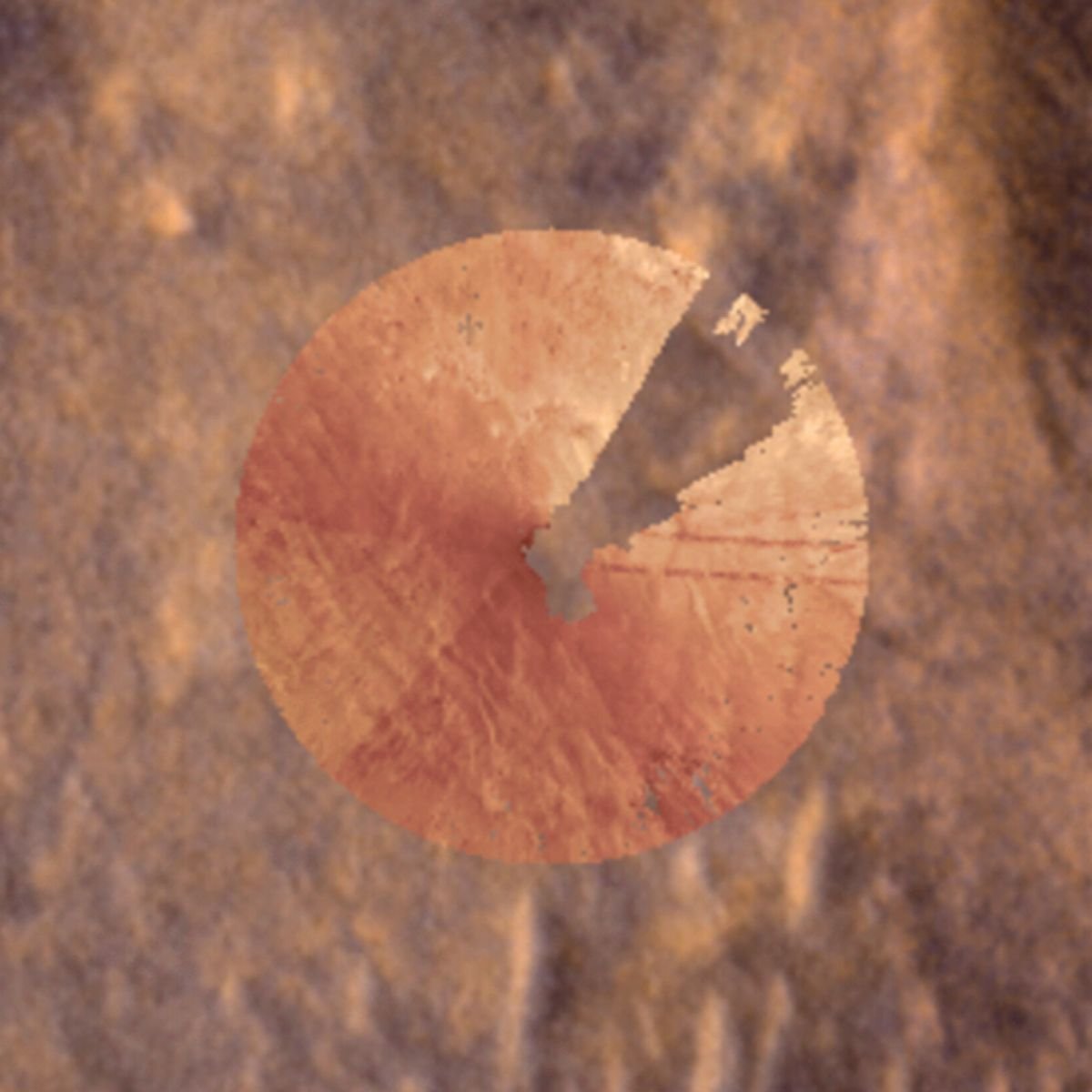
- Orthomosaic Creation: Images are stitched into a precise overhead map
- Orbital Matching: An algorithm compares this map against high-resolution imagery from the Mars Reconnaissance Orbiter (MRO)
- Precision Positioning: The system calculates the rover's exact coordinates within 10 inches (25 cm)
The entire localization process completes in approximately two minutes – compared to the previous 24+ hour delay when awaiting Earth confirmation. What makes this particularly ingenious is its hardware implementation: The algorithm runs on a repurposed processor originally dedicated to communicating with the now-retired Ingenuity helicopter. This computational reuse demonstrates NASA's efficient resource management for extended missions.
Technical Comparison: Old vs New Workflow
| Navigation Method | Positional Accuracy | Delay Duration | Hardware Utilization |
|---|---|---|---|
| Wheel/Sensor Odometry | ~100 feet (35 m) error | 24+ hours (Earth confirmation) | Primary mobility processors |
| Mars Global Localization | 10 inches (25 cm) | ~2 minutes | Repurposed Ingenuity communication processor |
Scientific Impact
This breakthrough transforms mission operations in featureless terrains like the Jezero Crater rim, where the technology was tested at "Mala Mala." Previously, such visually monotonous landscapes exacerbated navigation uncertainties. Now, Perseverance can:
- Maintain continuous driving operations without safety pauses
- Reduce operational delays by 99.9%
- Access scientifically rich locations previously deemed navigationally hazardous
- Cover more ground per sol by eliminating wait periods
The technology represents a paradigm shift toward greater autonomy for planetary rovers. Future missions could integrate similar systems during descent phases and for precise instrument placement, potentially enabling complex sample-return operations requiring millimeter-level accuracy. While currently implemented on Perseverance, the underlying principles could be adapted for lunar missions or future explorations of icy moons.
NASA's successful demonstration of onboard localization addresses a fundamental constraint in planetary exploration, proving that real-time position verification is achievable millions of miles from Earth using existing spacecraft resources. This innovation effectively gives rovers a celestial GPS capability, transforming how we navigate alien landscapes.
Sources: NASA JPL, NASA Mission Update
Comments
Please log in or register to join the discussion