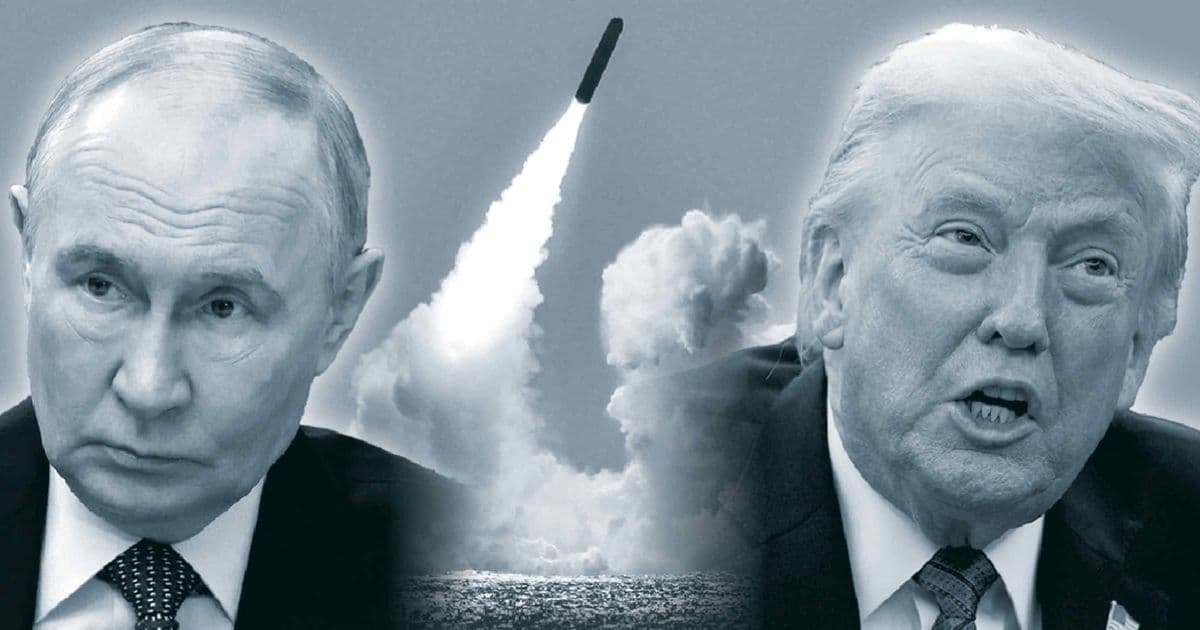
The expiration of the US-Russia New START treaty removes strategic nuclear constraints for the first time in 50 years, triggering chain reactions across Asia as China accelerates its warhead production and non-nuclear states reconsider proliferation.
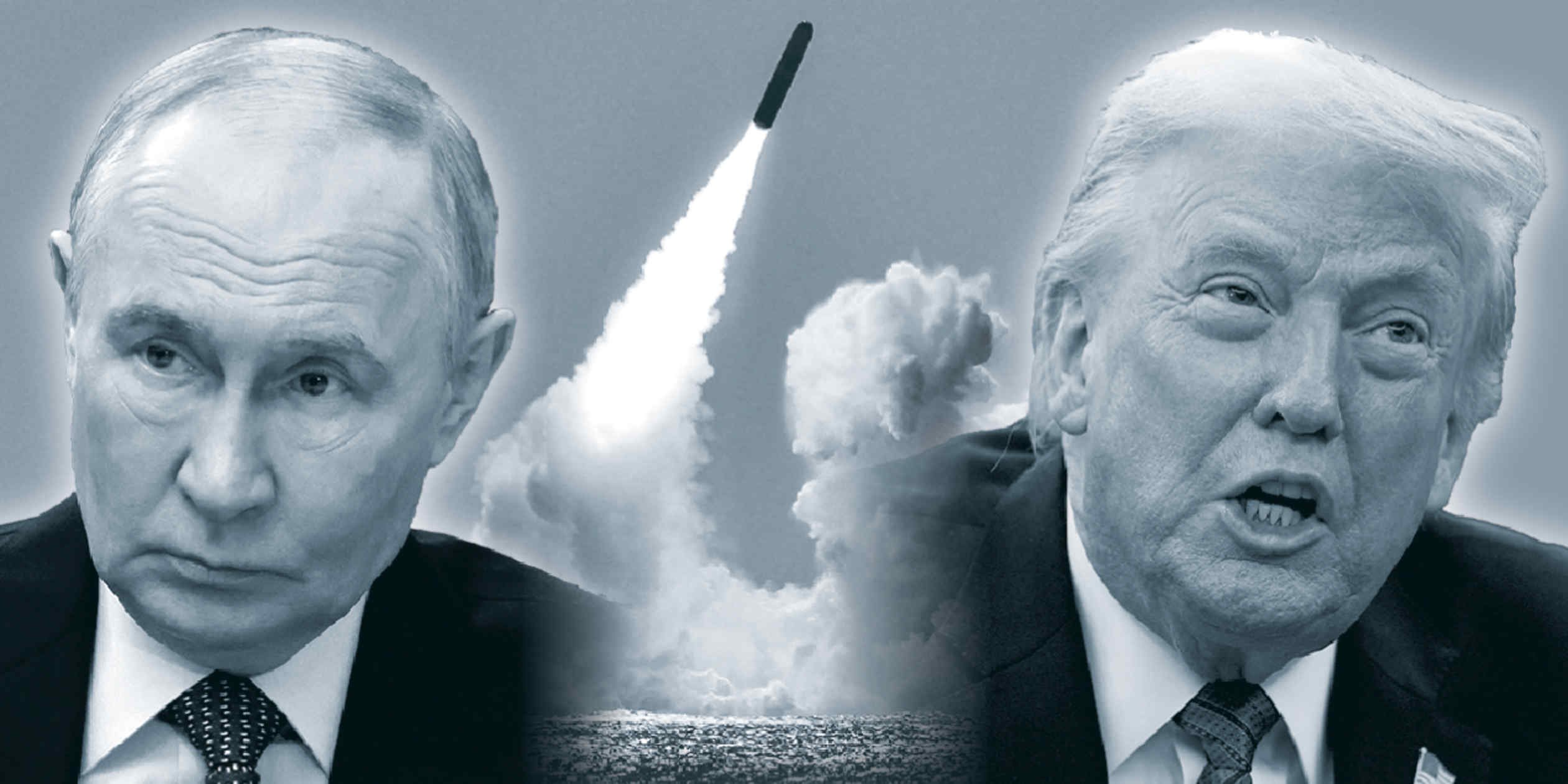
The expiration of the New Strategic Arms Reduction Treaty (New START) on February 5 marks a pivotal inflection point in global security architecture. For the first time since 1972, the world's two dominant nuclear powers—holding over 80% of global warheads—operate without binding limits on deployed strategic weapons. This development coincides with China's rapid nuclear expansion, creating volatile conditions where Washington and Moscow's next moves could reshape Asia's strategic calculus.
Quantifying the shift reveals alarming trajectories. Russia maintains approximately 1,550 deployed strategic warheads under New START's former limits, while the U.S. holds 1,389. China's current stockpile of 600 warheads is projected to exceed 1,000 by 2030 according to Pentagon assessments. More critically, China increased its intercontinental ballistic missile (ICBM) inventory by 88% between 2012-2025, while the U.S. reduced its arsenal by 11% during the same period. This asymmetry creates structural pressure on America's Asian treaty allies reliant on extended deterrence.
Russia's suspension of treaty verification mechanisms following its 2022 Ukraine invasion exemplifies the pact's deterioration. Moscow accelerated development of treaty-exempt systems like nuclear-powered torpedoes while repeatedly signaling willingness to deploy tactical nuclear weapons. During Ukraine's 2022 counteroffensive, multiple security officials confirm Russia nearly deployed dozens of tactical warheads, prevented only by battlefield reversals rather than deterrence efficacy.
Asia faces immediate cascading effects. China's unchecked expansion pressures India toward matching capabilities, potentially triggering Pakistani proliferation. South Korean polls now show majority support for domestic nuclear weapons development—a previously unthinkable position. The erosion of the Treaty on the Non-Proliferation of Nuclear Weapons (NPT) framework risks normalizing proliferation, as non-nuclear states observe major powers disregarding disarmament obligations.
Three strategic imperatives emerge from this new paradigm:
Inclusive Arms Control Framework: Washington must urgently initiate trilateral negotiations incorporating China, despite Beijing's current resistance. Separate U.S.-Russia and U.S.-China tracks could build momentum toward a unified framework.
Enhanced Deterrence Coordination: Allies require joint nuclear contingency planning and exercises. This includes evaluating Asia-specific nuclear sharing models, potentially involving forward-deployed U.S. systems operated cooperatively with regional partners.
Transparency Enforcement: Concerted pressure on China and Russia to disclose stockpiles and operational doctrines. Recent U.S. intelligence suggesting concealed Chinese nuclear testing in 2020 underscores verification deficits.
Former U.S. defense official Vipin Narang notes the strategic inflection: "China's emergence as a nuclear peer competitor compels restructuring of U.S. forces to address this rapidly deteriorating security environment." Without credible constraints, Asia's proliferation dominoes may already be in motion, with regional stability becoming collateral damage in great-power nuclear posturing.
Comments
Please log in or register to join the discussion