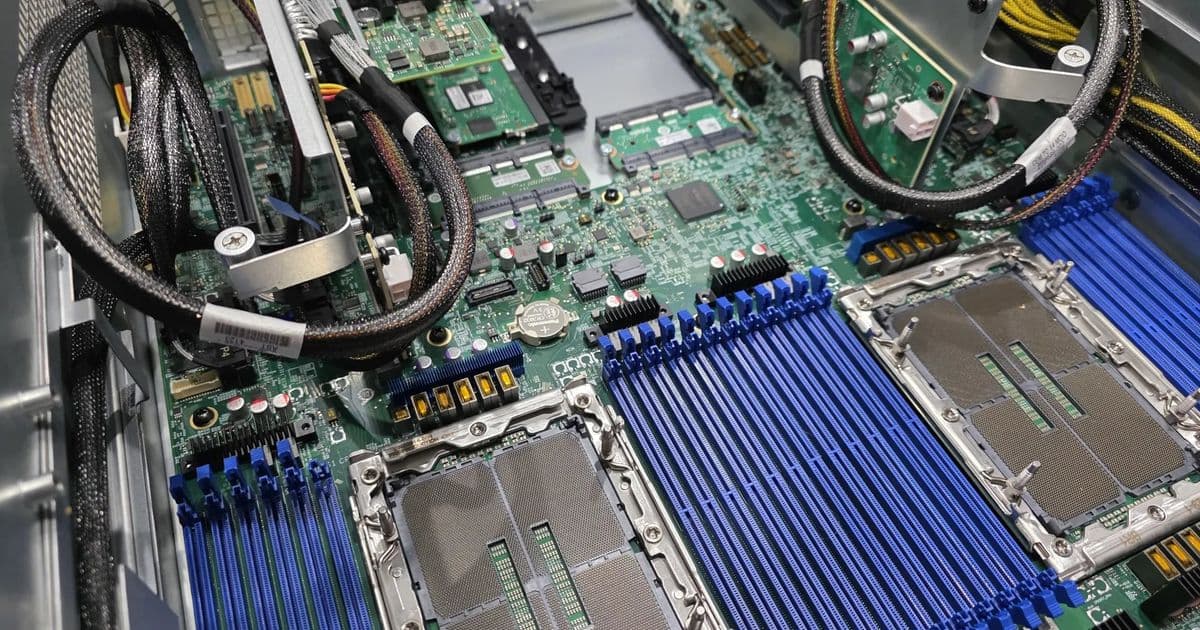
The upcoming Linux 7.0 kernel adds Intel Gen6 NTB support for Diamond Rapids Xeon processors, enabling high-speed PCIe 6.0 connectivity between memory systems for distributed computing applications.
The Linux kernel development community continues to lay the groundwork for Intel's next-generation Xeon Diamond Rapids processors with the addition of Intel Gen6 NTB (Non-Transparent Bridge) driver support in the ongoing Linux 7.0 development cycle.

NTB Technology Explained
Non-Transparent Bridge technology enables separate memory systems from multiple computers to share the same PCI Express fabric, creating a high-speed interconnect between systems. This capability allows for direct memory access (DMA) transfers and rapid data exchange between Xeon platforms using PCIe as the underlying transport mechanism.
The technology proves particularly valuable for distributed computing scenarios including:
- Distributed storage systems requiring low-latency data movement
- Compute offloading between heterogeneous systems
- High availability clusters needing rapid state synchronization
- Memory pooling across multiple physical machines
Diamond Rapids PCIe 6.0 Integration
With Xeon Diamond Rapids, Intel is introducing PCI Express 6.0 connectivity, representing a significant bandwidth increase over previous generations. The NTB driver enhancements specifically target this new PCIe 6.0 infrastructure, ensuring optimal performance for cross-system memory operations.
The implementation requires minimal code changes - approximately two dozen lines - to accommodate Diamond Rapids device identifiers and adjust the PPD0 offset register. This streamlined approach demonstrates the maturity of Intel's NTB architecture across processor generations.
Linux 7.0 Kernel Integration
The NTB driver pull request for Linux 7.0 includes several refinements beyond basic Diamond Rapids support:
- DebugFS improvements for enhanced troubleshooting capabilities
- New
tx_memcpy_offloadmodule parameter for performance tuning - Various minor optimizations and bug fixes
These additions build upon existing Intel NTB hardware driver infrastructure, maintaining compatibility while extending functionality to the latest processor generation.
Performance Implications
While specific benchmark data remains limited during the development phase, NTB technology typically enables memory transfer rates approaching native PCIe speeds. For distributed storage applications, this translates to reduced latency and increased throughput compared to traditional network-based interconnects.
The combination of PCIe 6.0's doubled bandwidth over PCIe 5.0 and NTB's direct memory access capabilities positions Diamond Rapids systems for demanding multi-node workloads where traditional networking bottlenecks become prohibitive.
Enterprise Readiness
Intel's methodical approach to NTB driver development across Linux kernel versions suggests enterprise-grade stability for the technology. The incremental nature of the Diamond Rapids additions - focusing primarily on device ID updates and register offset adjustments - indicates a mature, well-tested driver architecture.
Organizations planning Diamond Rapids deployments can anticipate robust NTB support in Linux 7.0, enabling advanced distributed computing scenarios without requiring custom kernel modifications or third-party drivers.
Timeline and Availability
Linux 7.0 is currently in development with no official release date announced. The NTB driver support will likely ship with the stable release, expected in mid-2026 based on typical kernel development cycles. Enterprise Linux distributions typically backport such features to their stable branches, ensuring broader availability beyond the mainline kernel.
The Diamond Rapids processors themselves are anticipated to launch in late 2026, aligning with the Linux 7.0 kernel's expected production release.
Comments
Please log in or register to join the discussion